GUIDE HERE!

10 Caribbean Artists to Know for National Caribbean-American Heritage Month
.png)
10 Caribbean Artists to Know for National Caribbean-American Heritage Month
For National Caribbean-American Heritage Month, Miami MoCAAD celebrates 10 Caribbean and Caribbean diasporic artists whose practices reflect the depth, complexity, and imagination of the region’s contemporary visual culture. Working across sculpture, photography, painting, printmaking, performance, installation, textiles, collage, and mixed media, these artists explore how Caribbean histories continue to shape global conversations around identity, land, migration, spirituality, resistance, and belonging.
Their work moves across islands, oceans, archives, bodies, and built environments. Some artists are internationally recognized figures, while others offer important contemporary perspectives on place, memory, ecology, and the Black diaspora. While no single list can capture the full breadth of Caribbean and Caribbean-American artists working across the world today, this selection offers a glimpse into the richness of Caribbean artistic practice across Jamaica, Haiti, Cuba, the Dominican Republic, St. Vincent and the Grenadines, Canada, New York, Miami, and beyond.
1. Belkis Ayón
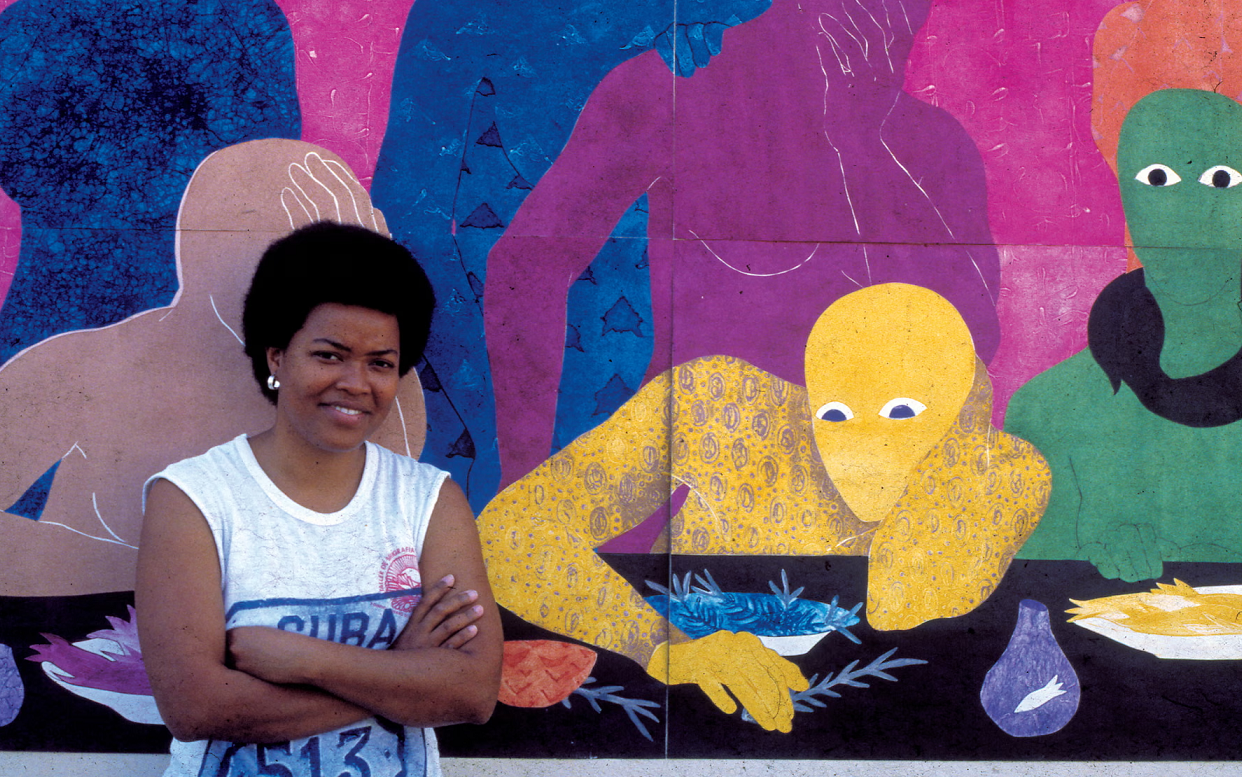
Belkis Ayón was a Cuban printmaker whose monumental black-and-white collographs created one of the most distinct visual languages in contemporary Caribbean art. Born in Havana in 1967, Ayón developed a powerful body of work rooted in the mythology of Abakuá, an Afro-Cuban fraternal society with origins in the Cross River region of West Africa.
Although Abakuá was historically male-centered, Ayón reimagined its stories through the figure of Sikán, creating a mysterious and deeply personal world of silence, sacrifice, ritual, and spiritual power. Her work remains essential for understanding Afro-Cuban art, printmaking, feminist reinterpretation, and the transformation of sacred narrative into contemporary visual form.
Featured exhibition: Belkis Ayón and Carlos Alfonzo: Odyssey, Museum of Art and Design at Miami Dade College, Freedom Tower, Miami, January 24–May 10, 2026. The exhibition brought Ayón’s work into dialogue with Cuban-American artist Carlos Alfonzo, highlighting both artists’ layered visual languages, spiritual references, and meditations on myth, exile, oppression, and transformation.
2. Firelei Báez
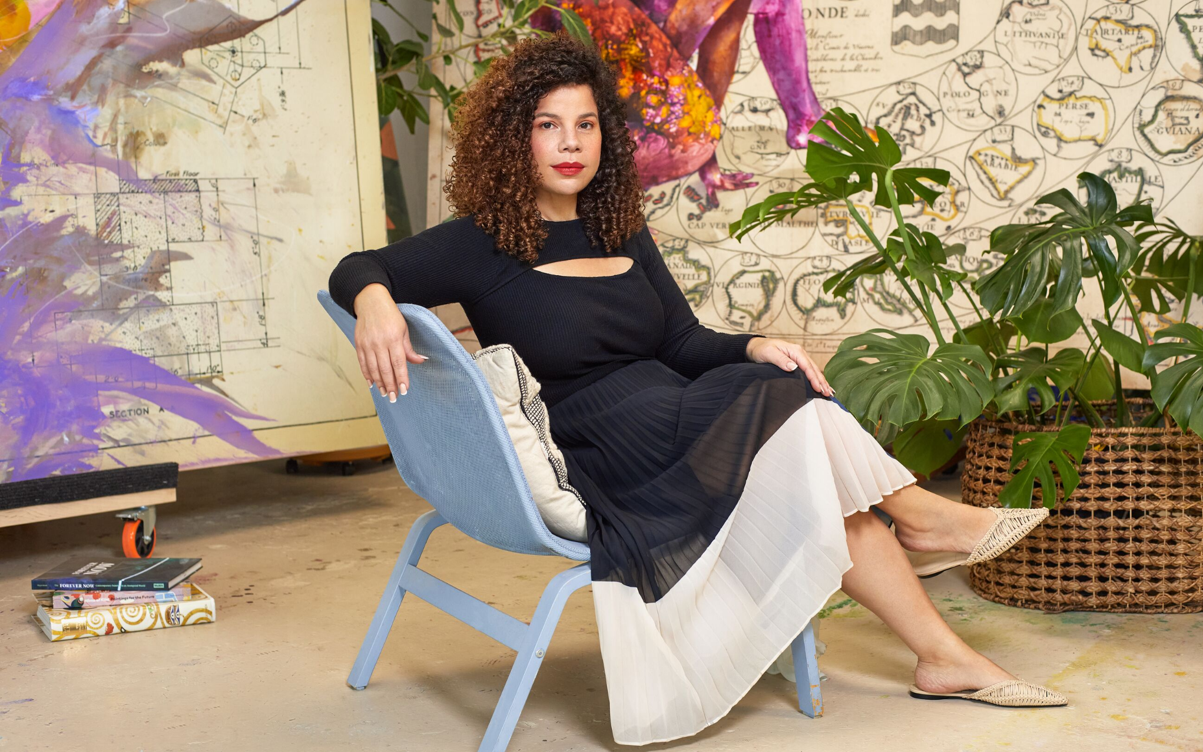
Firelei Báez is a Dominican-born artist whose work explores history, mythology, migration, gender, race, and the politics of place. Born in Santiago de los Caballeros, Dominican Republic, to a Dominican mother and a father of Haitian descent, Báez draws from the layered histories of Hispaniola, the Caribbean, and the wider African diaspora.
Her paintings and installations often appear on top of maps, archival images, book pages, and architectural plans, transforming colonial documents into spaces of imagination and resistance. Through vibrant color, mythic figures, ciguapas, spiritual symbols, and speculative landscapes, Báez reclaims histories that have been erased, fragmented, or distorted.
Featured exhibition: feet squelching on wet grass, nourished by uncertainty, Hauser & Wirth, New York, May 12–July 31, 2026. The exhibition presents new paintings, works on paper, and large-scale bronze sculptures that extend Báez’s engagement with colonial histories, natural forces, spiritual imagination, and the African diaspora.
3. Scherezade García
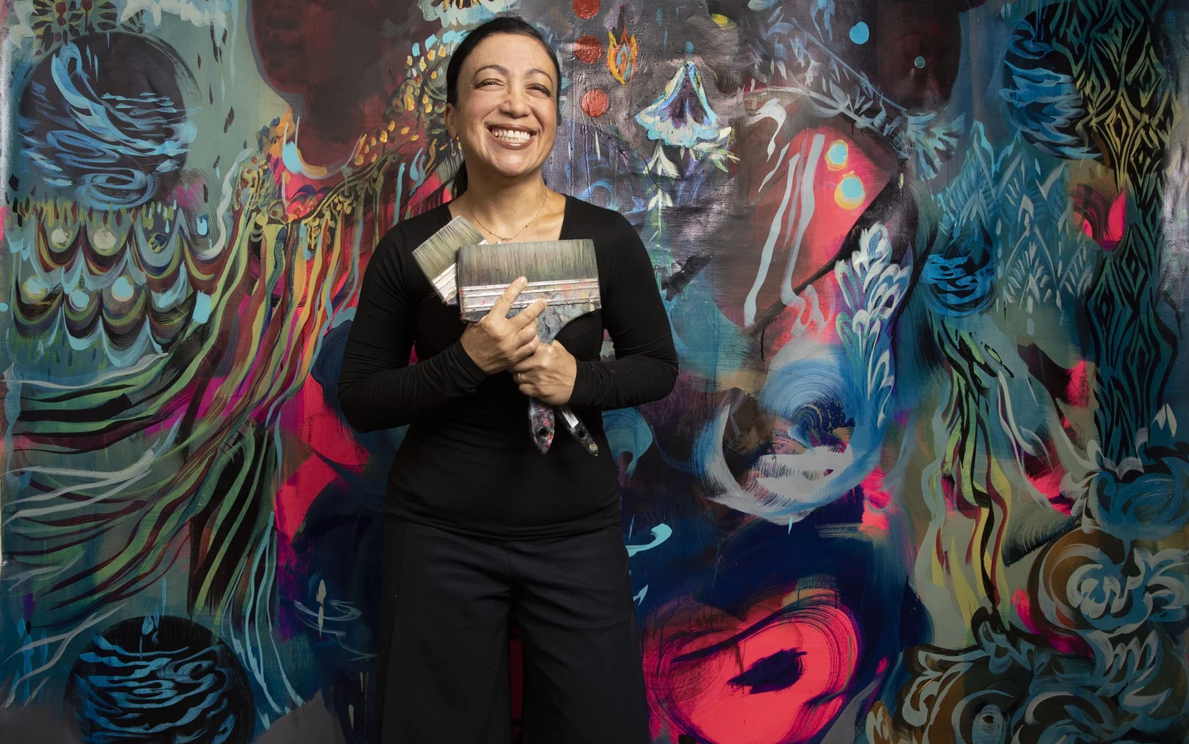
Scherezade García is a Dominican-born, New York-based interdisciplinary artist whose work spans painting, drawing, printmaking, installation, animation, and public art. Her practice explores migration, colonization, memory, race, gender, and the sea as both a site of passage and a space of cultural transformation.
García’s work often uses gold, blue, lace, pattern, and layered imagery to create visual narratives about movement across water. Her recurring engagement with the “liquid highway” of the Caribbean reframes the sea not only as a border, but as an archive of migration, violence, survival, exchange, and possibility.
Featured exhibition: Made in Paint 13, Sam & Adele Golden Gallery at Golden Artist Colors, New Berlin, New York, April 18–August 28, 2026. The group exhibition features García alongside fellow 2025 Golden Foundation artists-in-residence, presenting new painting-based works developed through the residency program.
Keep up with her: Website: scherezade.net / Instagram: @scherezadegarcia
4. Nadia Huggins
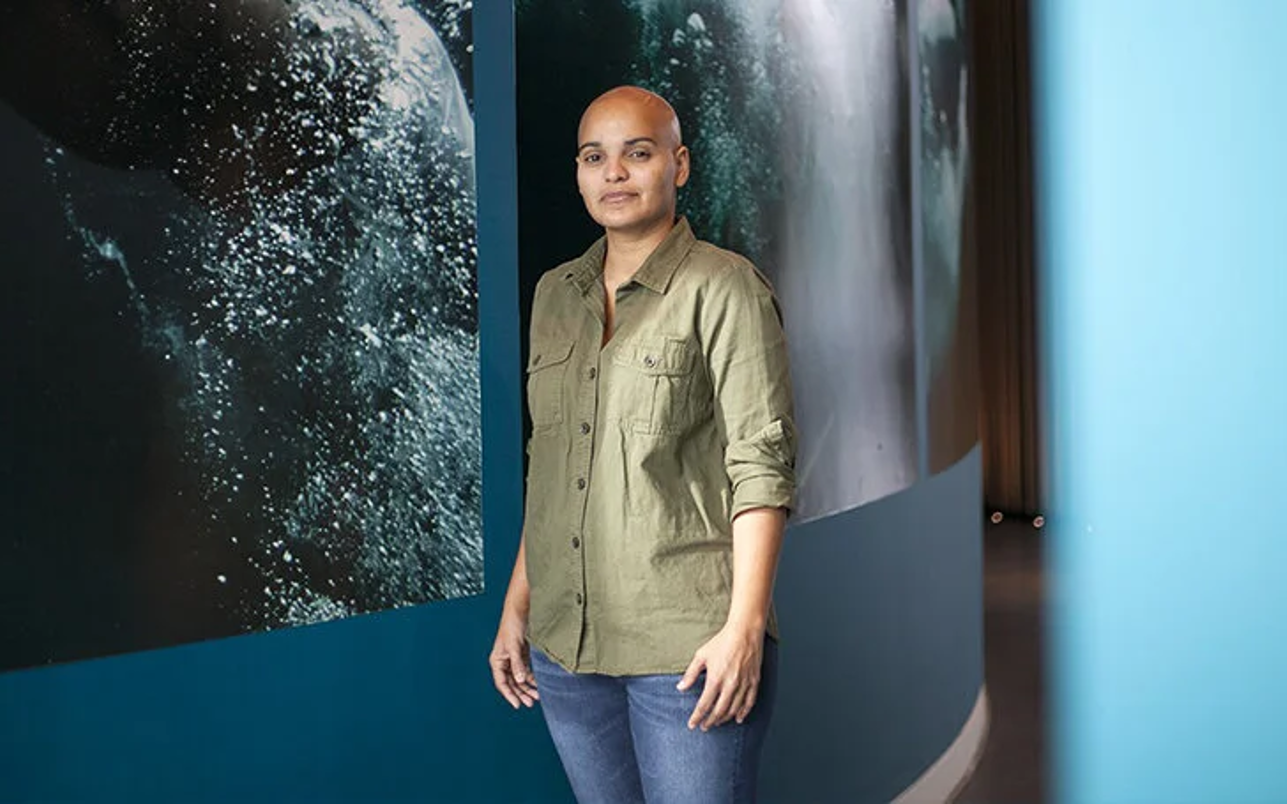
Nadia Huggins is a multidisciplinary visual artist from Trinidad and Tobago, based in St. Vincent and the Grenadines, whose work spans photography, video, and installation. Her practice centers Caribbean land and seascapes, exploring the relationship between bodies, water, ecology, memory, transformation, and the everyday poetics of island life.
Huggins is especially known for underwater photography that reframes the Caribbean body beyond tourism, nostalgia, or spectacle. Her images often move between documentary and conceptual modes, inviting viewers to consider the ocean as a living archive, a site of vulnerability, and a space where human and non-human worlds meet.
Featured exhibition: otras montañas, las que andan sueltas bajo el agua, Museum of Contemporary Art Panama, Panama City, February 28–August 16, 2026. Presented with Tessa Mars and developed from TBA21–Academy’s research project The Current IV Caribbean, the exhibition explores the ocean as a transformative space shaped by geology, memory, resistance, and Caribbean ways of knowing.
5. Tau Lewis
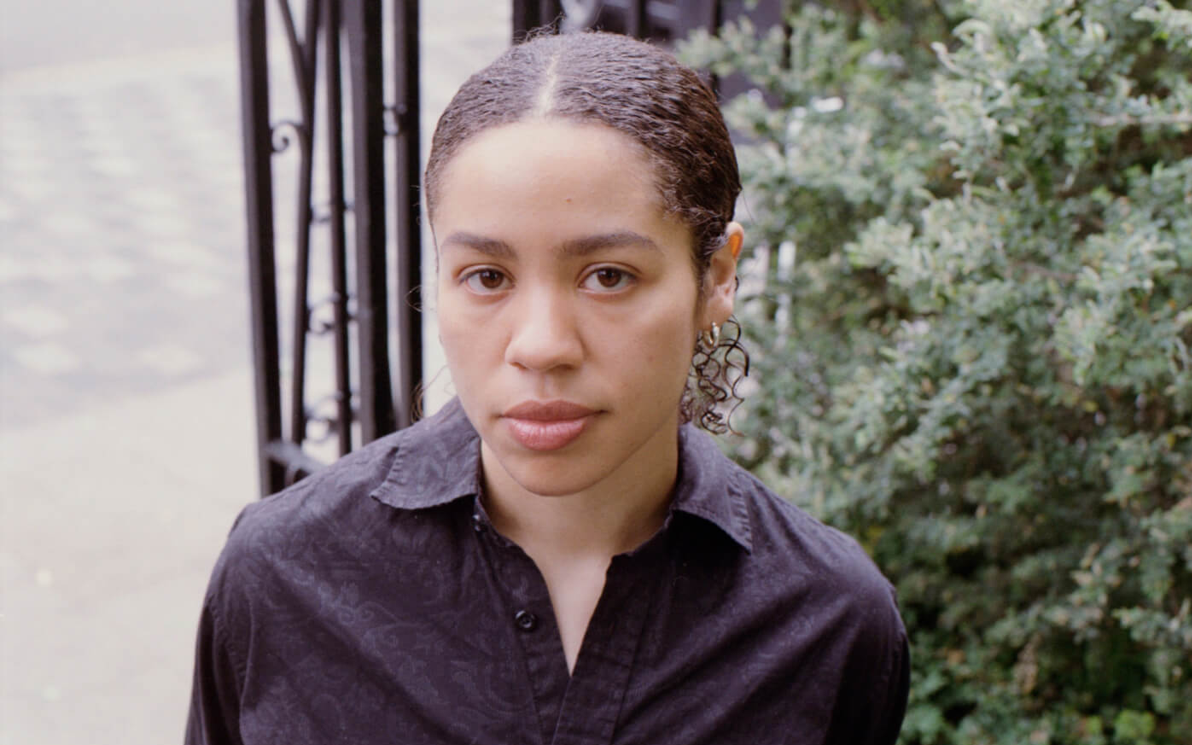
Tau Lewis is a Jamaican-Canadian artist whose practice transforms found materials into monumental soft sculptures, quilts, masks, and other assembled forms. Born in Toronto, Lewis works with recycled textiles, leather, seashells, beads, photographs, driftwood, and other objects charged with personal and cultural memory.
Her work often feels like an offering to ancestors, spirits, and imagined future worlds. Through hand-sewing, carving, dyeing, and collecting, Lewis creates figures and environments that speak to healing, grief, protection, and diasporic survival. Her use of salvaged materials connects Caribbean and Black diasporic traditions of reuse, transformation, and spiritual repair.
Featured exhibition: New Humans: Memories of the Future, New Museum, New York, opened March 21, 2026 and is ongoing. The major exhibition inaugurates the New Museum’s expanded building and includes Lewis among more than 150 international artists, writers, scientists, architects, and filmmakers exploring how technological and social change has shaped evolving ideas of the human.
6. Tessa Mars
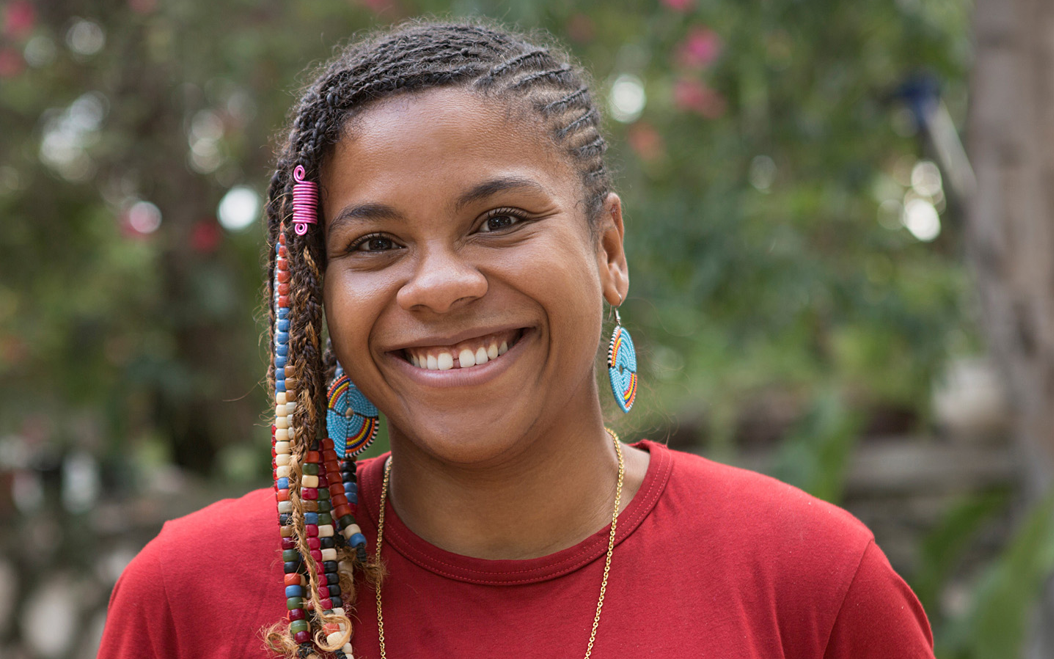
Tessa Mars is a Haitian visual artist whose work explores gender, landscape, migration, spirituality, Haitian history, and the African Caribbean diaspora. Born and raised in Port-au-Prince, Mars works across painting, papier-mâché, installation, and mixed media to challenge colonial narratives and reimagine the relationship between body, land, and collective belonging.
Her practice often creates figures who emerge from the soil, transform across landscapes, or exist in symbolic relationship to nature and spirit. Through color, myth, and embodied forms, Mars proposes alternative ways of seeing Haitian and Caribbean identity beyond fixed borders, inherited histories, and colonial geographies.
Featured exhibition: otras montañas, las que andan sueltas bajo el agua, Museum of Contemporary Art Panama, Panama City, February 28–August 16, 2026. Presented with Nadia Huggins, the exhibition includes Mars’s work a call to the ocean, which considers land, ocean, resistance, and alternate ways of relating to the planet beyond colonial frameworks.
7. Carlos Martiel
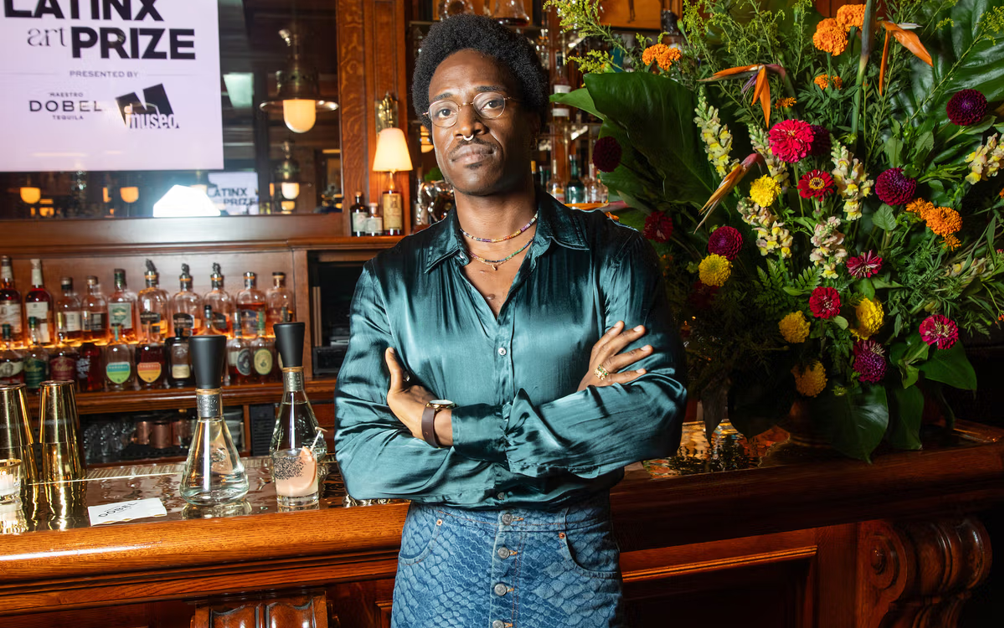
Carlos Martiel is a Cuban performance artist whose work uses the body as a site of memory, endurance, vulnerability, and political confrontation. Born in Havana and based in New York, Martiel creates durational performances that address colonial violence, racism, migration, labor, state power, incarceration, and the ongoing vulnerability of racialized bodies.
His performances are often physically demanding and emotionally intense, using his own body to make visible the histories and systems that shape Black and migrant life. Through silence, stillness, exposure, and endurance, Martiel transforms performance into a space of witness, resistance, and historical reckoning.
Featured exhibition: Dispossessions in the Americas: The Extraction of Bodies, Land, and Heritage from La Conquista to the Present, Wrightwood 659, Chicago, April 17–July 18, 2026. The exhibition brings together contemporary artists from across Latin America whose practices confront colonialism, dispossession, land, body, cultural heritage, and resistance.
8. Joiri Minaya
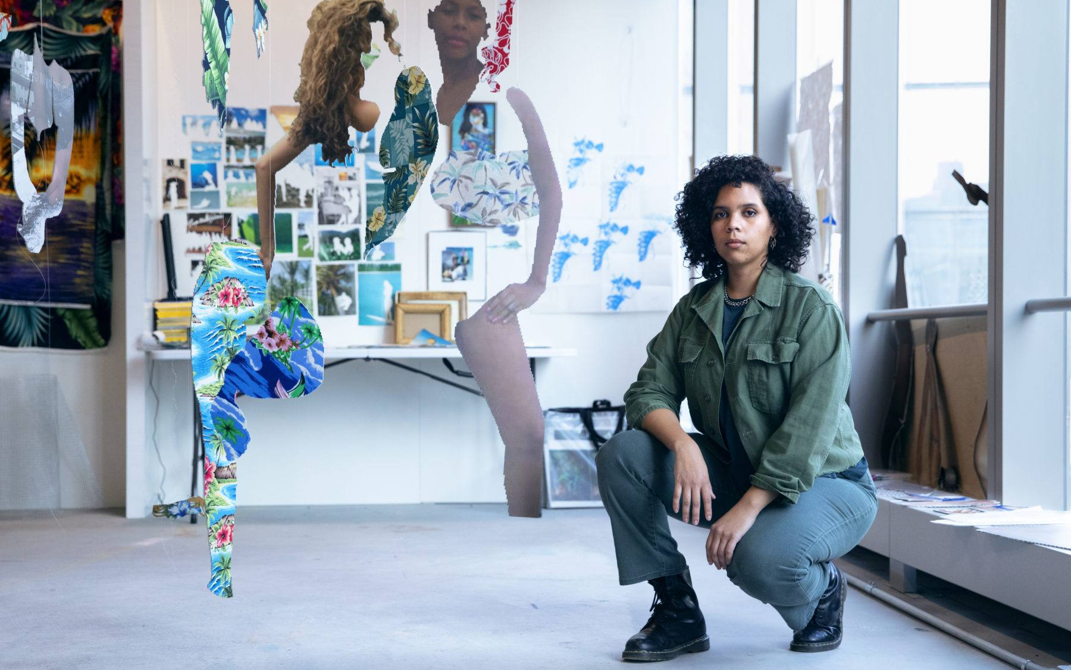
Joiri Minaya is a Dominican-born multidisciplinary artist whose work examines tropical identity, colonial fantasy, the body, landscape, and the visual language of tourism. Born in New York and raised in the Dominican Republic, Minaya works across photography, video, installation, performance, sculpture, and public intervention.
Her practice often challenges the ways Caribbean landscapes and Caribbean women’s bodies have been exoticized, consumed, and packaged for outside desire. Using camouflage, botanical prints, cutouts, and staged gestures, Minaya disrupts the fantasy of the tropics and exposes how colonial and commercial images shape ideas of place, femininity, and identity.
Featured exhibition: Joiri Minaya: To Hell With Hibiscus, Henry Art Gallery, Seattle, July 25, 2026–May 2, 2027. The exhibition continues Minaya’s investigation into the Tropics as a constructed place and identity, challenging colonial fantasies and misrepresentations of tropical geographies and their inhabitants.
9. Nari Ward
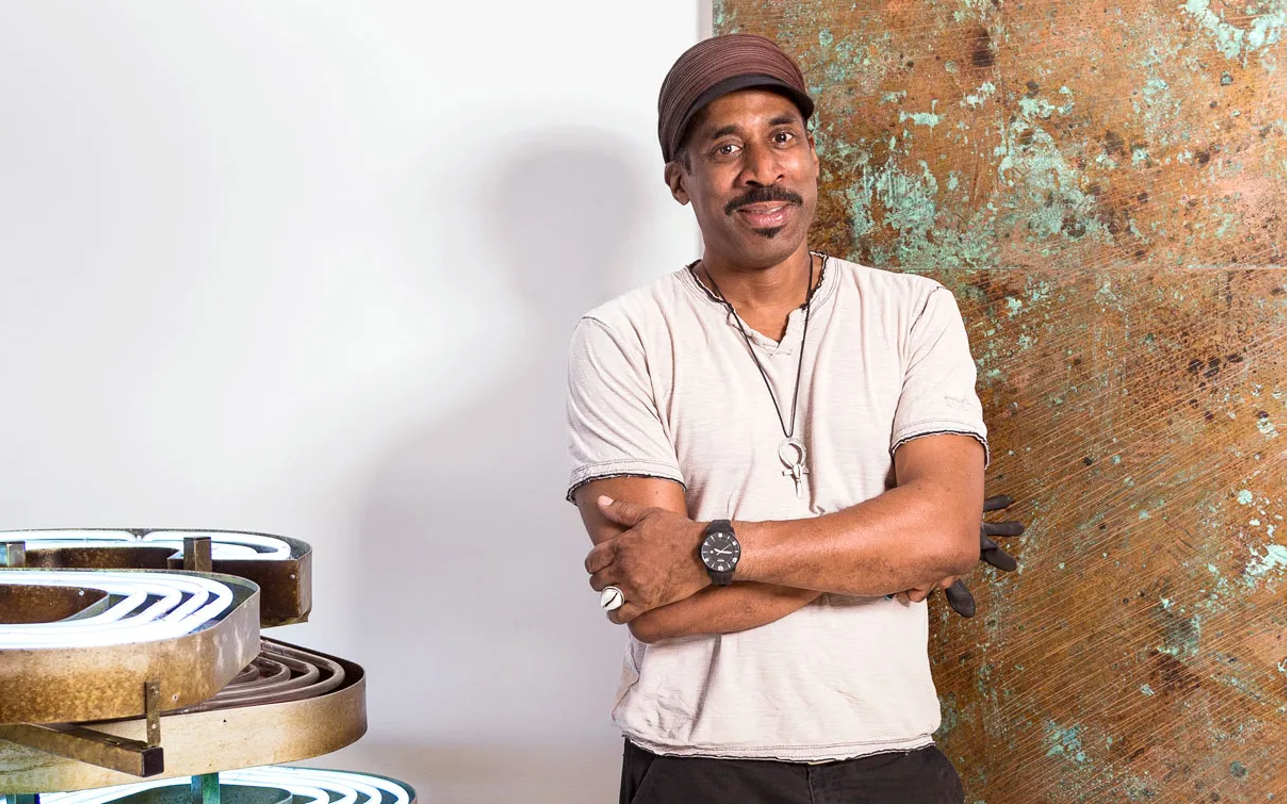
Nari Ward is a Jamaican-born, New York-based artist known for transforming found objects into powerful installations that address migration, memory, community, labor, spirituality, and social change. Born in St. Andrew, Jamaica, Ward moved to the United States as a child and has long used materials gathered from his surroundings, especially Harlem, to create layered works of cultural and political meaning.
His work often turns discarded materials into monumental forms, giving new life to objects that carry traces of use, loss, survival, and collective history. Through shoelaces, strollers, bottles, doors, copper, bricks, and other everyday materials, Ward creates installations that feel both sacred and civic, intimate and expansive.
Featured exhibition: Project Atrium: Nari Ward — Great Greetings, Museum of Contemporary Art Jacksonville, March 5–August 16, 2026. The site-responsive installation transforms MOCA Jacksonville’s atrium with gold and silver emergency blankets, greeting-card language, and newspaper excerpts, reflecting on survival, mass-produced sentiment, celebration, care, and social expectation.
10. Basil Watson
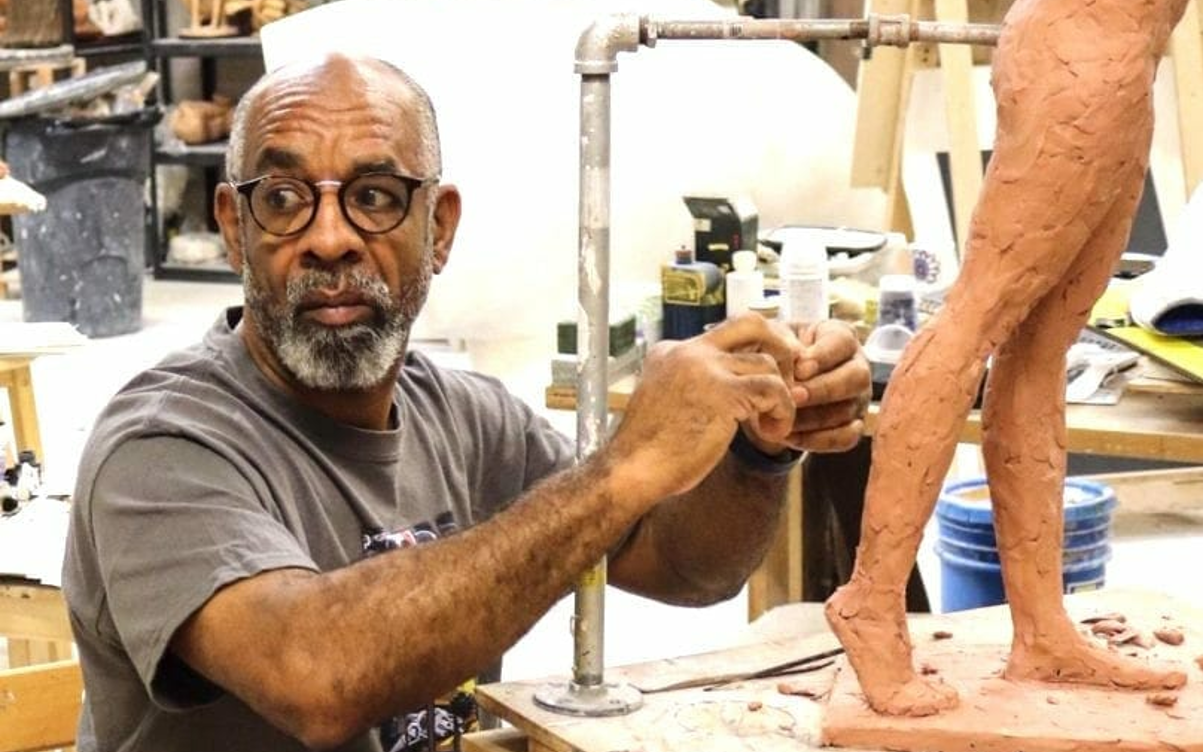
Basil Watson is a Jamaican sculptor whose work honors the strength, movement, and expressive power of the human figure. Born in Kingston, Jamaica, Watson comes from a family of artists and has built a major career creating public monuments, figurative sculptures, and works that celebrate cultural memory, athletic excellence, civic leadership, and human dignity.
His sculptures often capture bodies in motion: bending, reaching, balancing, performing, and enduring. Through bronze and other sculptural forms, Watson gives physical shape to legacy, resilience, and collective pride. His public works include monuments to major figures such as Louise Bennett-Coverley, Usain Bolt, Martin Luther King Jr., John Lewis, and the Windrush generation, extending Caribbean artistic practice into public memory and civic space.
Featured public artwork: Towards Freedom, Lexington, Kentucky, unveiled June 19, 2025. The monument honors Lewis and Harriet Hayden, two formerly enslaved Lexingtonians who became nationally recognized abolitionists, and commemorates the courage of those who journeyed to freedom through Kentucky’s Underground Railroad.