
GUIDE HERE!

Latin American Histories
Latin American Histories brings together an expansive international group of artists and historical materials to examine colonialism, resistance, migration, diaspora, Indigenous and Afro-descendant social organization, and competing ideas of Latin American identity. The exhibition includes artists such as Abdias do Nascimento, Belkis Ayón, Daniel Lind-Ramos, Elizabeth Catlett, Firelei Báez, María Magdalena Campos-Pons, Pepón Osorio, Rosana Paulino, Wifredo Lam, and many others. MASP — Museu de Arte de São Paulo Assis Chateaubriand, Pietro Maria Bardi Building, Avenida Paulista, 1510, Bela Vista, São Paulo, SP, Brazil. Runs September 4, 2026 to January 31, 2027.
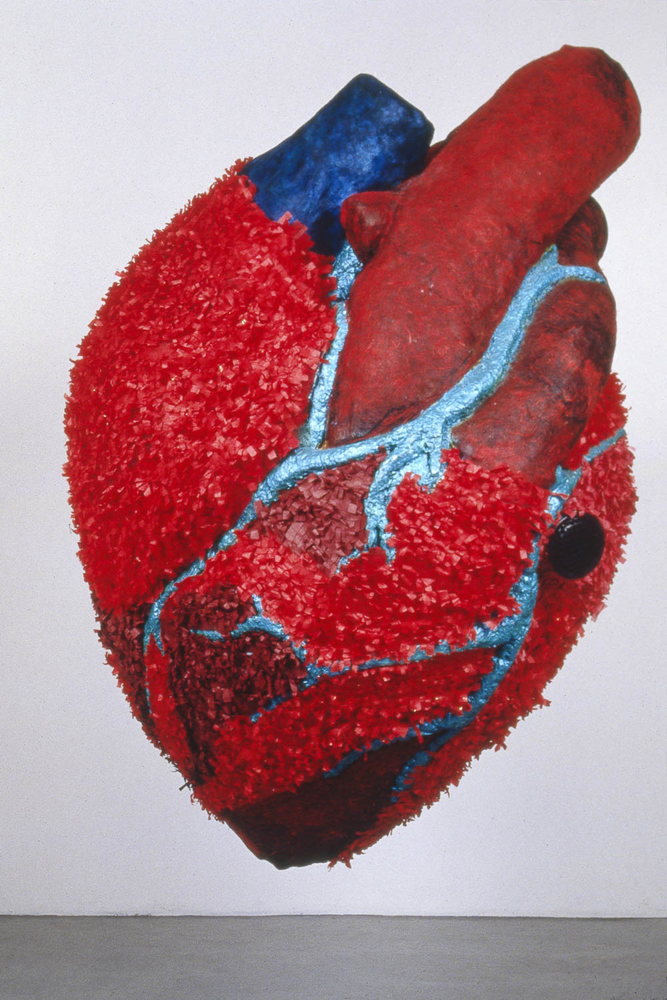
Latin American Histories, MASP — Museu de Arte de São Paulo Assis Chateaubriand, Avenida Paulista, 1510, São Paulo, SP. Runs from September 4, 2026 to January 31, 2027.
Exhibition Description
Latin American Histories is a major international group exhibition organized as the centerpiece of MASP’s 2026 curatorial cycle devoted to Latin American histories. The exhibition examines colonialism, resistance, migration, diaspora, and competing constructions of Latin American identity. Curated by Amanda Carneiro and Julieta González, with curatorial assistance from Teo Teotonio, the exhibition occupies five floors of the museum’s Pietro Maria Bardi Building and approaches Latin America not as a stable or self-evident category, but as an idea continually created, imposed, challenged, and reimagined. The exhibition begins with the violence and extractive systems of European colonization. It considers how Baroque art and images of Latin America as an abundant “tropical paradise” helped produce and circulate colonial ideas about the region. Historical works appear alongside modern and contemporary practices, allowing artists to challenge inherited representations and construct counter-narratives around race, territory, labor, power, and cultural identity. A significant part of the exhibition examines forms of collective organization developed by Indigenous and Afro-descendant communities, including quilombos, palenques, and cumbes. These histories place resistance and community-building alongside colonization rather than treating Indigenous and African-descended peoples solely through histories of oppression. The exhibition also considers utopian and anti-authoritarian political traditions, including the Zapatistas, as examples of communities imagining social structures outside dominant political systems. The extensive artist roster crosses historical periods, national borders, and artistic media. It includes major Black and Afro-diasporic figures such as Abdias do Nascimento, Ayrson Heráclito, Belkis Ayón, Dalton Paula, Daniel Lind-Ramos, Elizabeth Catlett, Firelei Báez, Heitor dos Prazeres, María Magdalena Campos-Pons, Pepón Osorio, Rosana Paulino, Seneque Obin, and Wifredo Lam, alongside Indigenous artists, collectives, modernists, conceptual artists, photographers, filmmakers, painters, sculptors, and historical makers from throughout Latin America and its diasporas. The result places Afro-Latin, Indigenous, Caribbean, and diasporic histories in conversation with broader debates about the construction of Latin American modernity.



Gallery

