

Nikita Gale
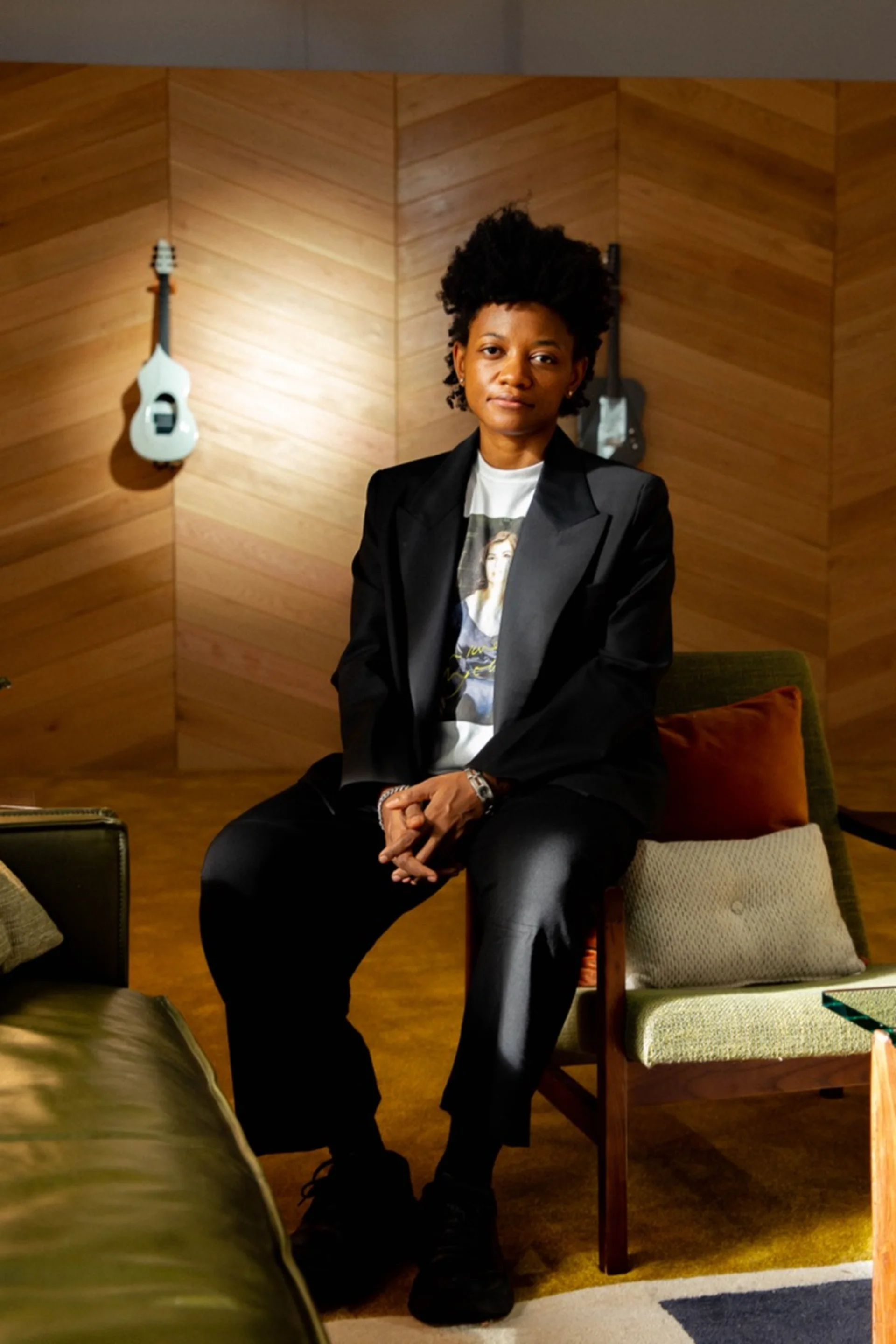
Portrait of Nikita Gale. Photo by Shingi Rice.
Biography
Nikita Gale (born November 13, 1983, in Anchorage, Alaska) is an African American interdisciplinary artist whose practice spans sculpture, installation, sound, video, photography, text, performance, and automated lighting systems. Raised between Anchorage and Atlanta in a military family, Gale grew up around architecture and music: their father worked as an Air Force architect and their mother as a music teacher. Gale earned a BA in Anthropology with an emphasis in Archaeological Studies from Yale University in 2006 and an MFA in New Genres from UCLA in 2016, later attending the Skowhegan School of Painting and Sculpture in 2019. They currently live and work in Los Angeles.
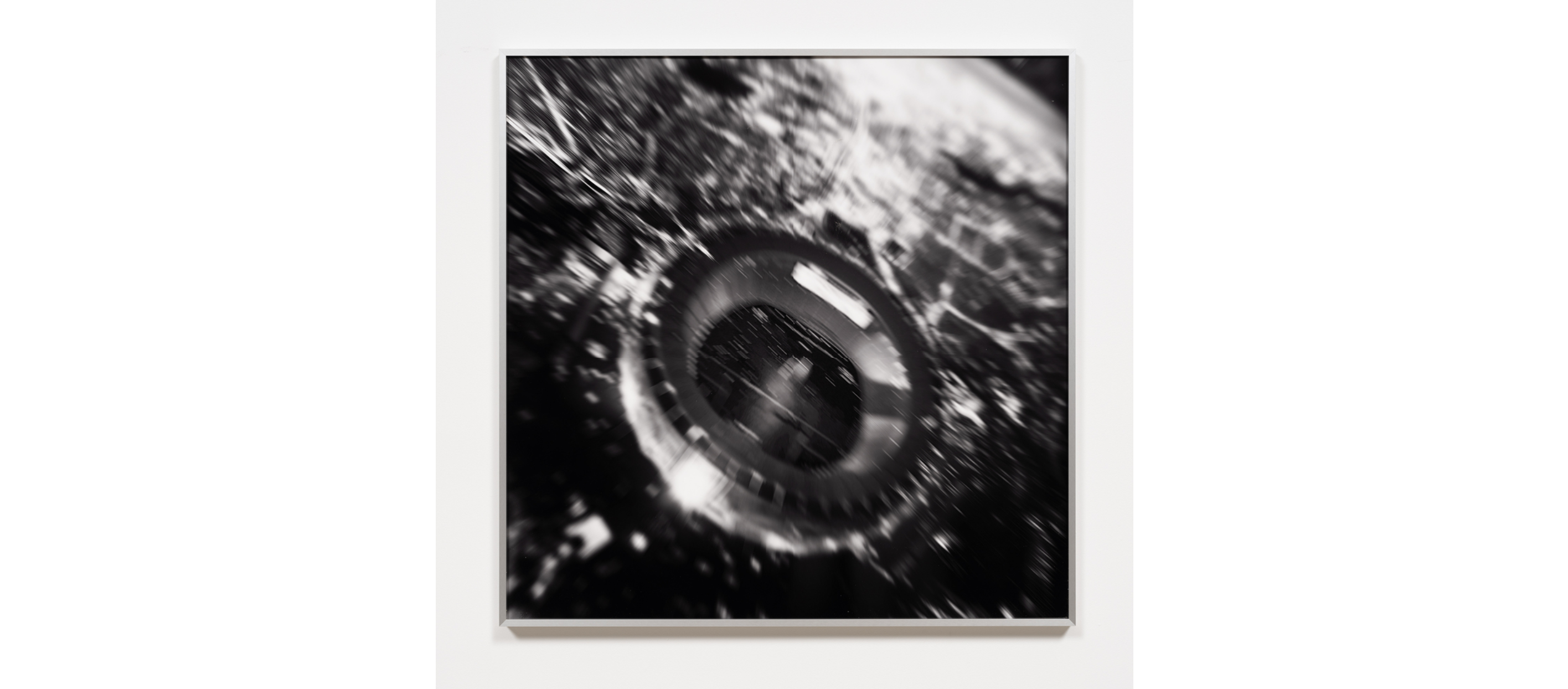
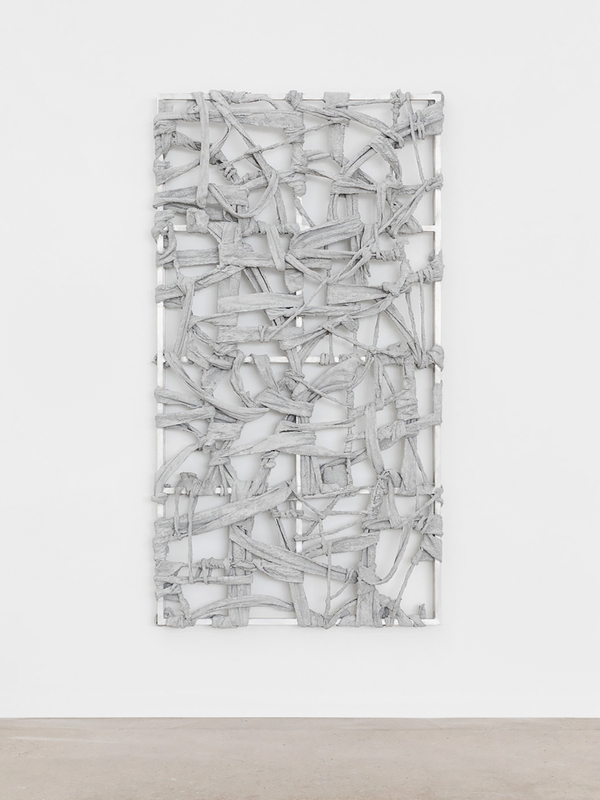
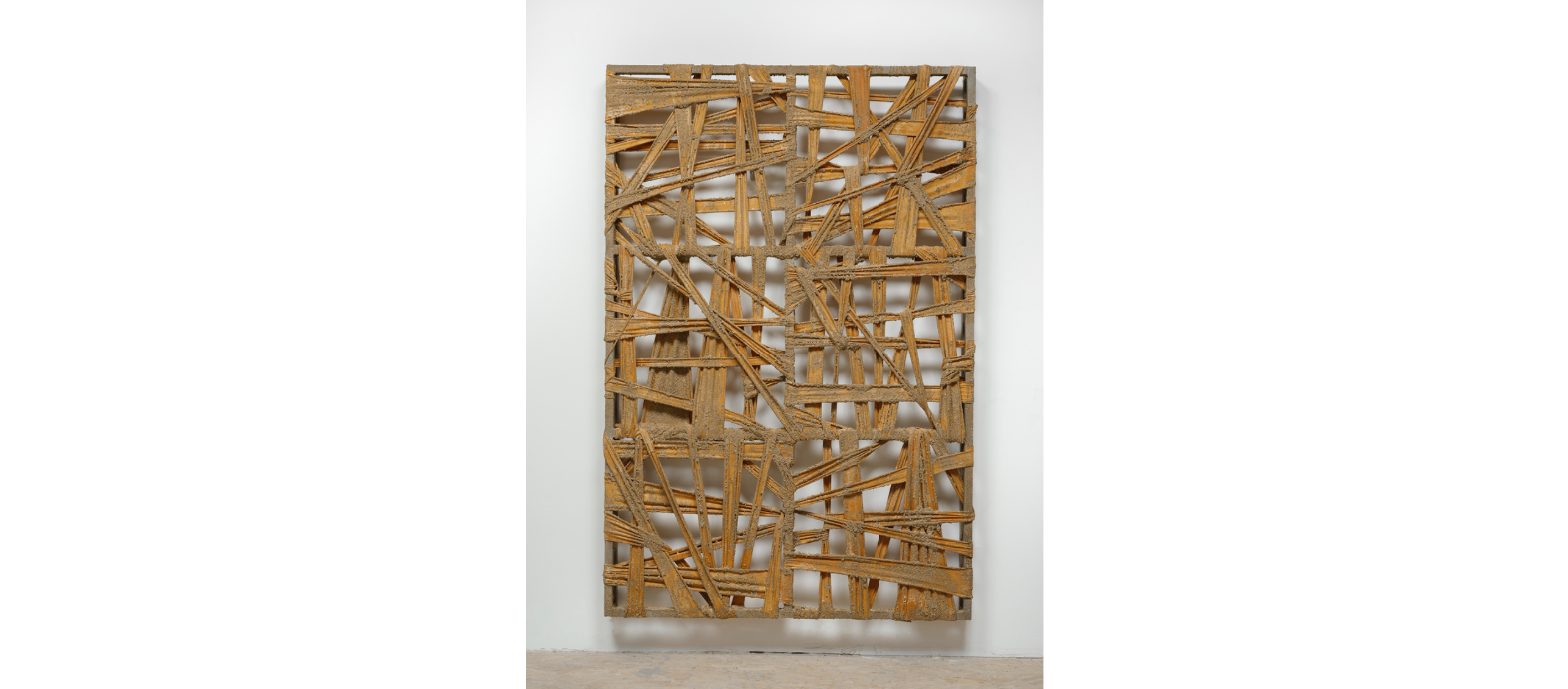
Gale’s practice examines the relationship between materials, power, attention, labor, visibility, and sound. Their installations frequently use objects associated with construction, performance, and crowd controlincluding barricades, aluminum trusses, concrete, microphone stands, cables, stage lighting, speakers, and musical instruments, to reveal the infrastructures that shape what audiences are permitted to see, hear, remember, and recognize. Gale is particularly interested in how systems of attention distribute power: who becomes visible, whose labor remains hidden, what is amplified, and what is deliberately silenced.
Music and performance culture are central to Gale’s work, but often through absence, automation, or interruption rather than conventional performance. In PRIVATE DANCER (2020), for example, theatrical lighting equipment performs a choreographed sequence to an unheard Tina Turner soundtrack, separating the mechanisms of spectacle from the performer whose body would ordinarily occupy the stage. Gale has similarly drawn on the histories of rock and roll, Black musicians, concert architecture, protest, and audience behavior to examine the complicated relationships among celebrity, labor, race, technology, and bodily visibility. Their works often ask whether a performance can persist when sound, performer, or audience is removed.
These concerns extend to questions of reproduction, intellectual property, and mechanized labor. In TEMPO RUBATO (STOLEN TIME) (2023–24), presented in the 2024 Whitney Biennial, Gale programmed a player piano to reproduce performances by pop musicians while muting its musical output. What remains is the physical noise of the machine reproducing the pianist’s gestures, raising questions about whether labor can be separated from the copyrighted musical work it produces and how authorship is assigned within technological systems. The installation earned Gale the 2024 Bucksbaum Award, one of the Whitney Museum’s most significant honors for an artist participating in the Biennial.
More recently, Gale’s practice has expanded toward dream states, ecology, and unstable forms of consciousness while retaining its longstanding interest in technological mediation and material systems. Their 2025 solo exhibition 99 DREAMS at Barakat Contemporary in Seoul transformed imagery drawn from Gale’s own dream journal into an installation involving teapots, mugwort, heating elements, and programmed lighting. Across their practice, Gale uses sculpture and technology not simply as objects but as systems for thinking about attention, Black cultural production, refusal, surveillance, performance, and the structures that determine whose bodies and labor become legible.
Birthday
November 13, 1983
N/A
Location
N/A
Show Support
Videos & Interviews
Artist Gallery
No items found.


