GUIDE HERE!

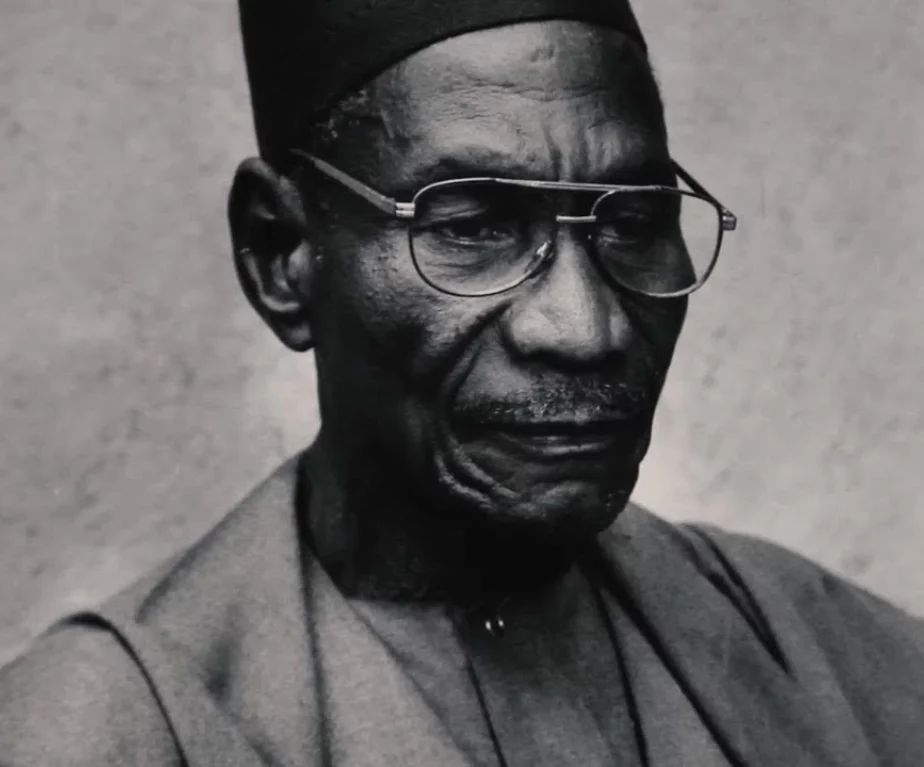
Seydou Keïta: A Tactile Lens
Seydou Keïta: A Tactile Lens is a major solo exhibition devoted to the work of Seydou Keïta at the Brooklyn Museum, 200 Eastern Parkway, Brooklyn, New York 11238-6052. On view October 10, 2025–May 17, 2026, the exhibition brings together more than 280 works, highlighting Keïta’s transformative portrait practice and the social, cultural, and tactile dimensions of studio photography in Bamako.
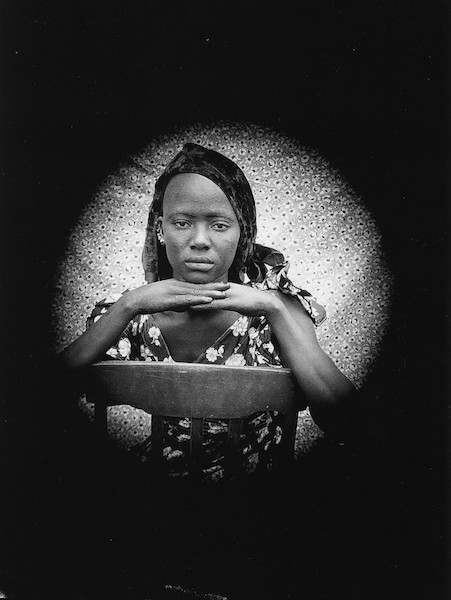
Seydou Keïta: A Tactile Lens, a solo exhibition that illuminates the life and legacy of legendary Malian photographer Seydou Keïta. Brooklyn Museum, 200 Eastern Parkway, Brooklyn, New York 11238-6052. Runs October 10, 2025–May 17, 2026.
Exhibition Description
Seydou Keïta: A Tactile Lens is a solo exhibition of work by Seydou Keïta, presented at the Brooklyn Museum, 200 Eastern Parkway, Brooklyn, New York 11238-6052. Runs through May 17, 2026. The exhibition is described by the museum as the most expansive North American exhibition of Keïta’s work to date and features more than 280 works, including iconic prints, never-before-seen portraits, textiles, and personal artifacts. Developed with insights from Keïta’s family, the presentation expands understanding of his practice beyond the photograph alone, emphasizing the material richness and lived context surrounding his studio portraits. Working primarily in black-and-white photography, Keïta became renowned for his striking studio portraits made in Bamako, Mali, particularly from the late 1940s through the early 1960s. Collaborating closely with his sitters, he recorded a period of social and political transformation through their choices of backdrops, clothing, fabrics, jewelry, and accessories, creating images that are at once intimate, elegant, and historically resonant. The exhibition underscores how Keïta changed the history of portrait photography through a practice rooted in care, collaboration, and visual precision. By placing photographs alongside textiles and personal materials, Seydou Keïta: A Tactile Lens foregrounds touch, self-fashioning, and representation, offering a fuller view of how the artist shaped images of modern Malian identity and left a lasting mark on global photographic history.