
GET YOUR FREE
GUIDE HERE!
GUIDE HERE!

Seydou Keïta
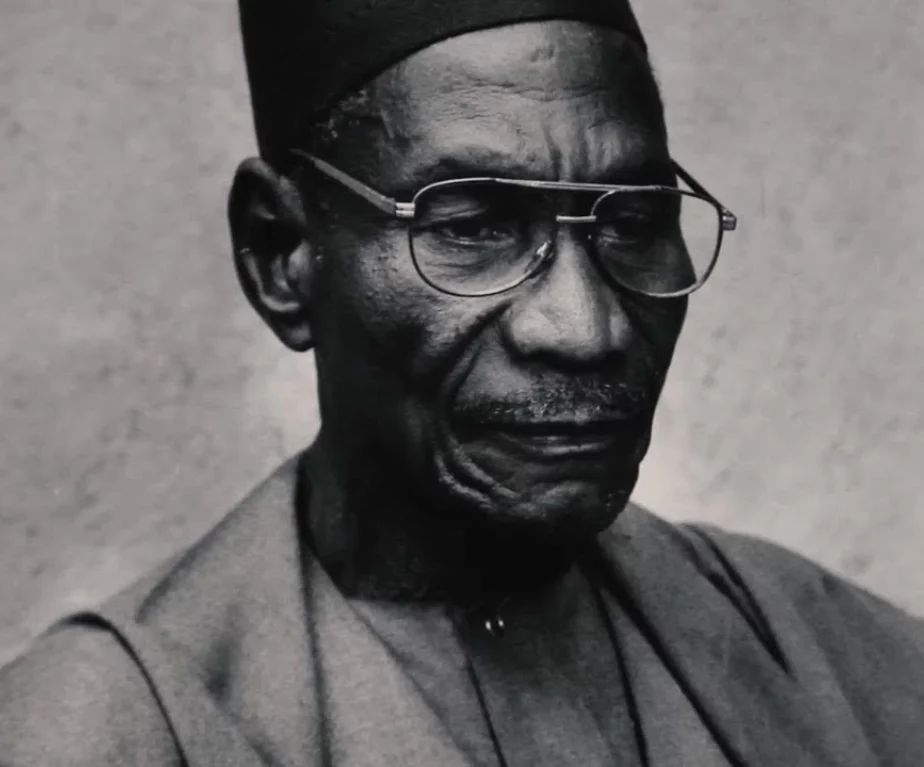
Courtesy of the artist
No items found.
Biography
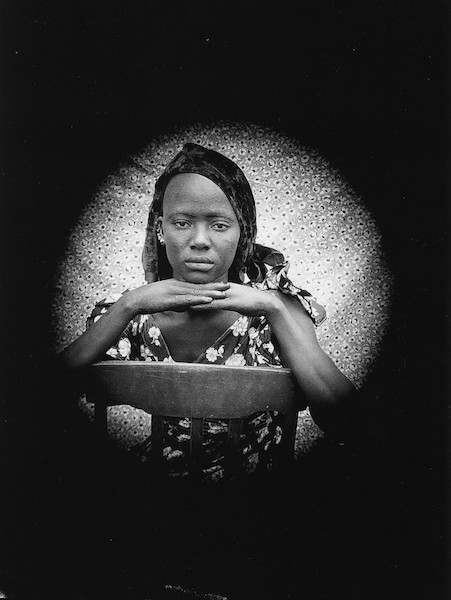
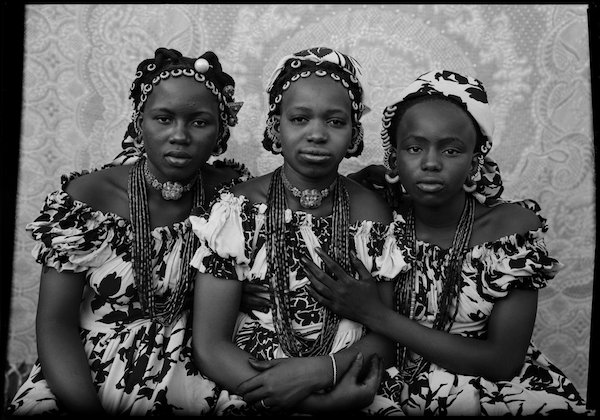
Seydou Keïta (1921–2001), born in Bamako, Mali) was a Malian photographer whose portrait practice explored modernity, self-fashioning, identity, and social life in mid-20th-century Bamako. Working primarily in black-and-white studio portraiture, Keïta examined personal style, dignity, and representation through carefully staged compositions, patterned backdrops, and close attention to pose, dress, and gesture.
Keïta was self-taught and began making photographs after receiving a Kodak Brownie camera in the 1930s. He opened his studio in Bamako in 1948 and later served as an official government photographer after Mali’s independence. His work often engages portraiture, social history, memory, and the photographic archive, using formal precision, natural light, and collaborative studio methods to consider aspiration, status, and the visual culture of a rapidly changing postcolonial society.
His work has been exhibited at the Brooklyn Museum, the Solomon R. Guggenheim Museum, Fondation Cartier pour l’art contemporain, and in major international exhibitions devoted to African photography. Keïta is widely recognized as one of the most important photographers of the 20th century, and his portraits remain foundational to the global history of photography. He lived and worked in Bamako, Mali.
Birthday
N/A
Location
N/A
Show Support
Videos & Interviews
Artist Gallery
No items found.


