
GUIDE HERE!

Rhythm & Skin
Hosted at 69salon by KORNFELD in Berlin, Rhythm & Skin presents OBastardo’s powerful figurative paintings exploring Afro-Brazilian identity, embodiment, and collective memory. Developed during a Berlin residency and expanded through recent works from Brazil, the exhibition positions the body as a site of history, resistance, and spiritual continuity.
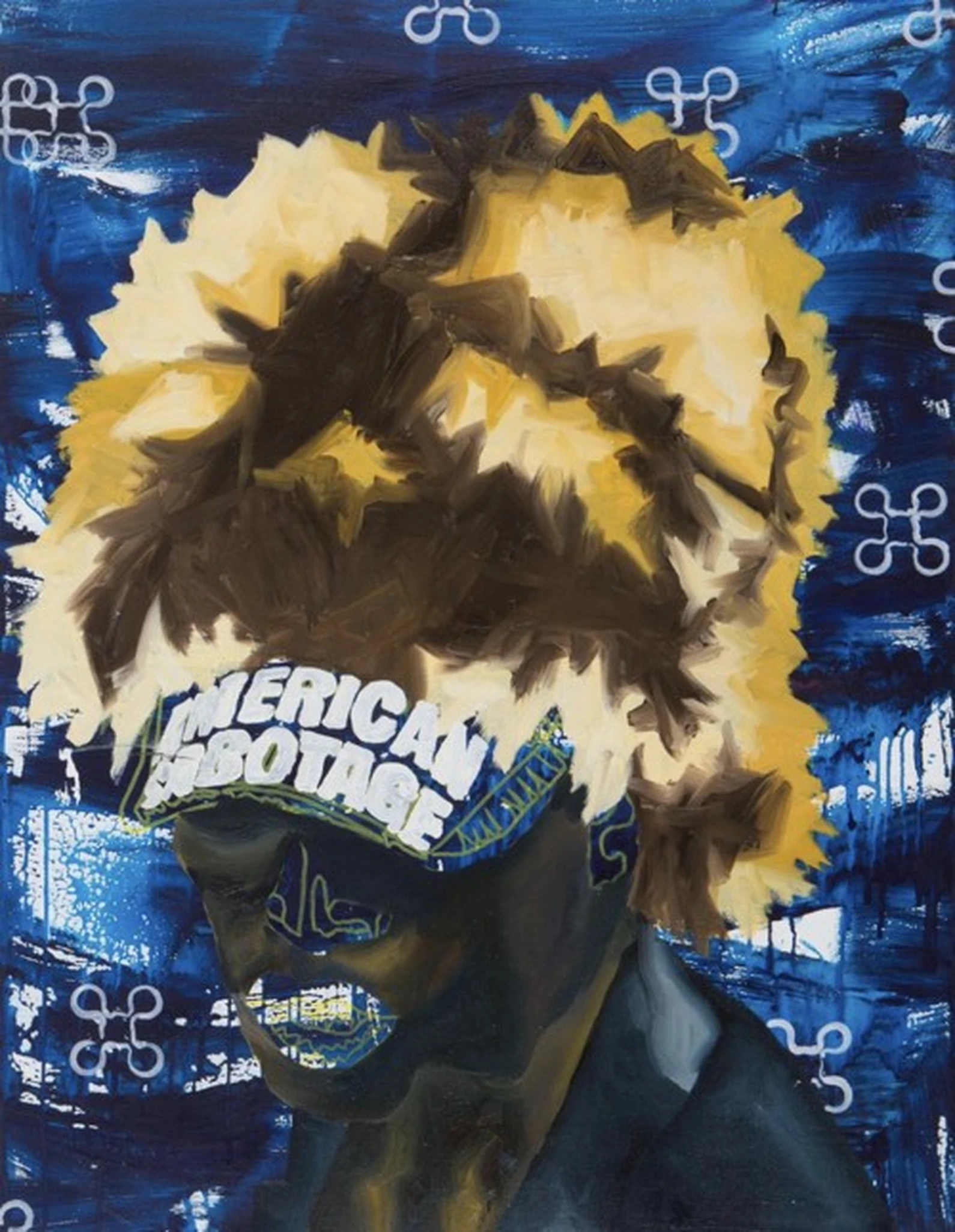
Rhythm & Skin is a solo exhibition by OBastardo, presented by 69salon by KORNFELD. The exhibition marks the artist’s first solo presentation in Europe and features works developed during his residency at Galerie Kornfeld (October–December 2025), alongside recent paintings created in Brazil.
Runs January 15 – February 28, 2026.
Opening: Thursday, January 15, 2026 | 6–9 PM.
Exhibition Description
Rhythm & Skin is a visually and politically resonant exhibition that explores the layered realities of Afro-Brazilian life through portraiture and symbolic figuration. OBastardo’s paintings depict faces and bodies that exist between the individual and the collective, carrying histories of resistance while gesturing toward futurity. His visual language draws deeply from Afro-Brazilian culture, urban aesthetics, and spiritual traditions such as Candomblé. Using a hybrid painting approach that merges gestural mark-making with graphic structures influenced by graffiti and street culture, OBastardo constructs richly layered surfaces of bold contours, rhythmic color fields, and recurring symbols. During his Berlin residency, he introduced an expanded spectrum of skin tones, reflecting the complexity of Brazilian society. Figures are deliberately anonymized, freed from fixed identities, and embedded within symbolic systems that function as ciphers of collective memory. Recurring references to the Orixá Oxalufan—associated with creation, peace, balance, and the color white—appear throughout the works as protective and structuring elements. Together, the paintings render visible social realities often marginalized or overlooked: Black bodies, favela life, Afro-diasporic spirituality, and everyday dignity in the face of inequality. The exhibition operates as both indictment and celebration—an assertion of visibility, survival, and the right to be seen.