GUIDE HERE!

History Doesn’t Repeat Itself, but It Does Rhyme. Dumile Feni: African Guernica
History Doesn’t Repeat Itself, but It Does Rhyme. Dumile Feni: African Guernica examines how Feni and Picasso used monumental scale, distorted bodies, monochrome imagery, and fractured space to confront war, racial oppression, and state violence across different historical contexts. The exhibition is on view at Museo Reina Sofía, Sabatini Building, Calle Santa Isabel, 52, 28012 Madrid, Spain, from March 25 to September 22, 2026.

History Doesn’t Repeat Itself, but It Does Rhyme. Dumile Feni: African Guernica, an exhibition centered on Dumile Feni’s monumental African Guernica and additional drawings, places his representations of apartheid-era violence in direct dialogue with Pablo Picasso’s Guernica. Museo Nacional Centro de Arte Reina Sofía, Sabatini Building, Calle Santa Isabel, 52, 28012 Madrid, Spain. Runs March 25–September 22, 2026.
Exhibition Description
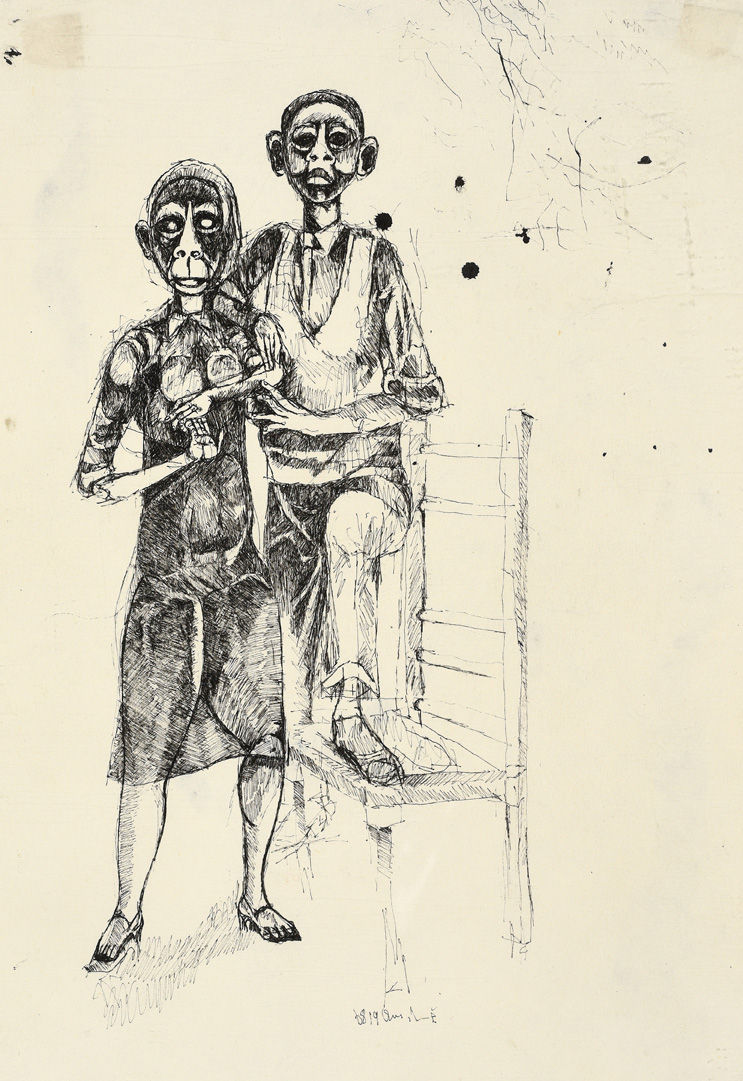
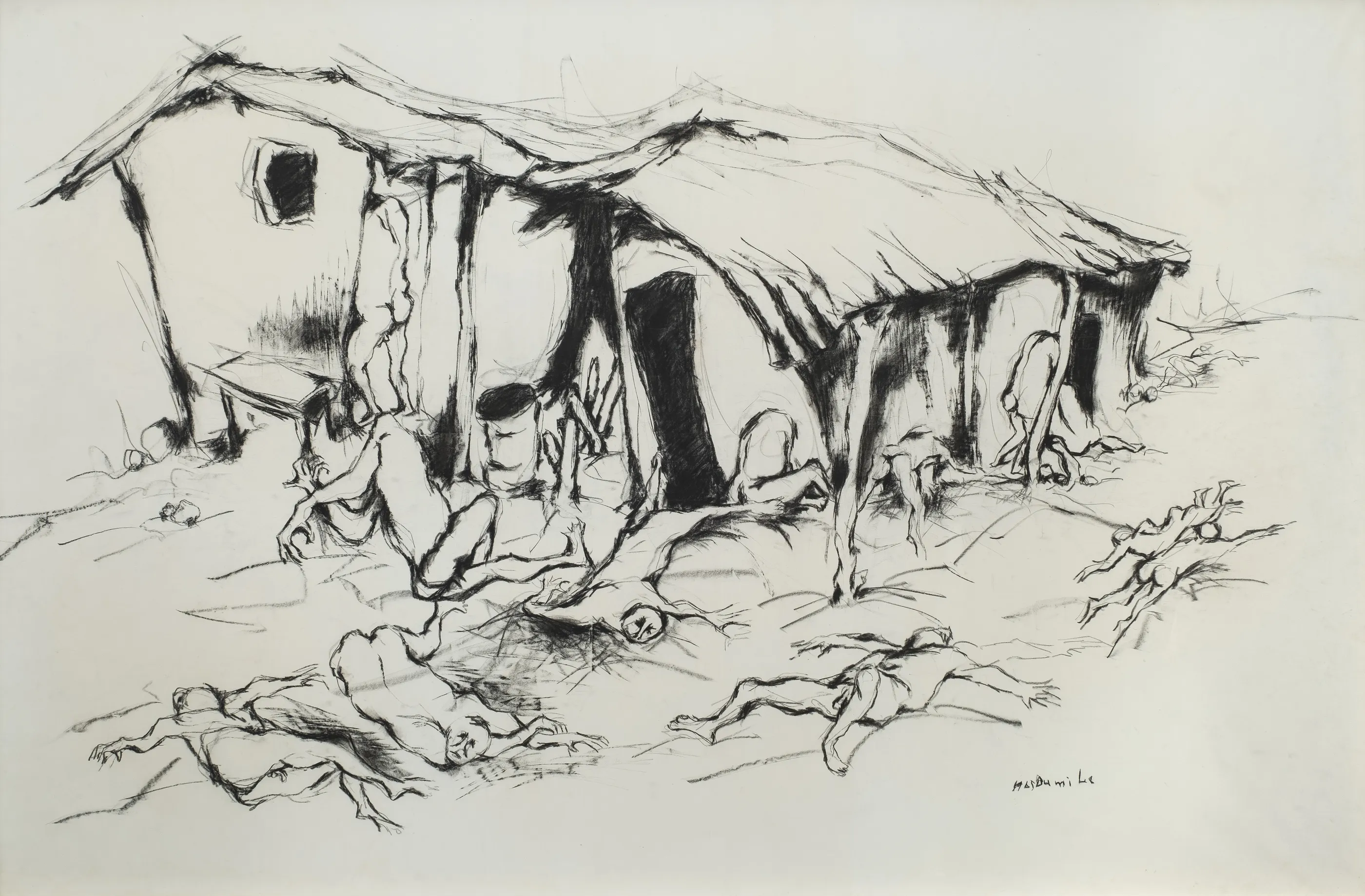
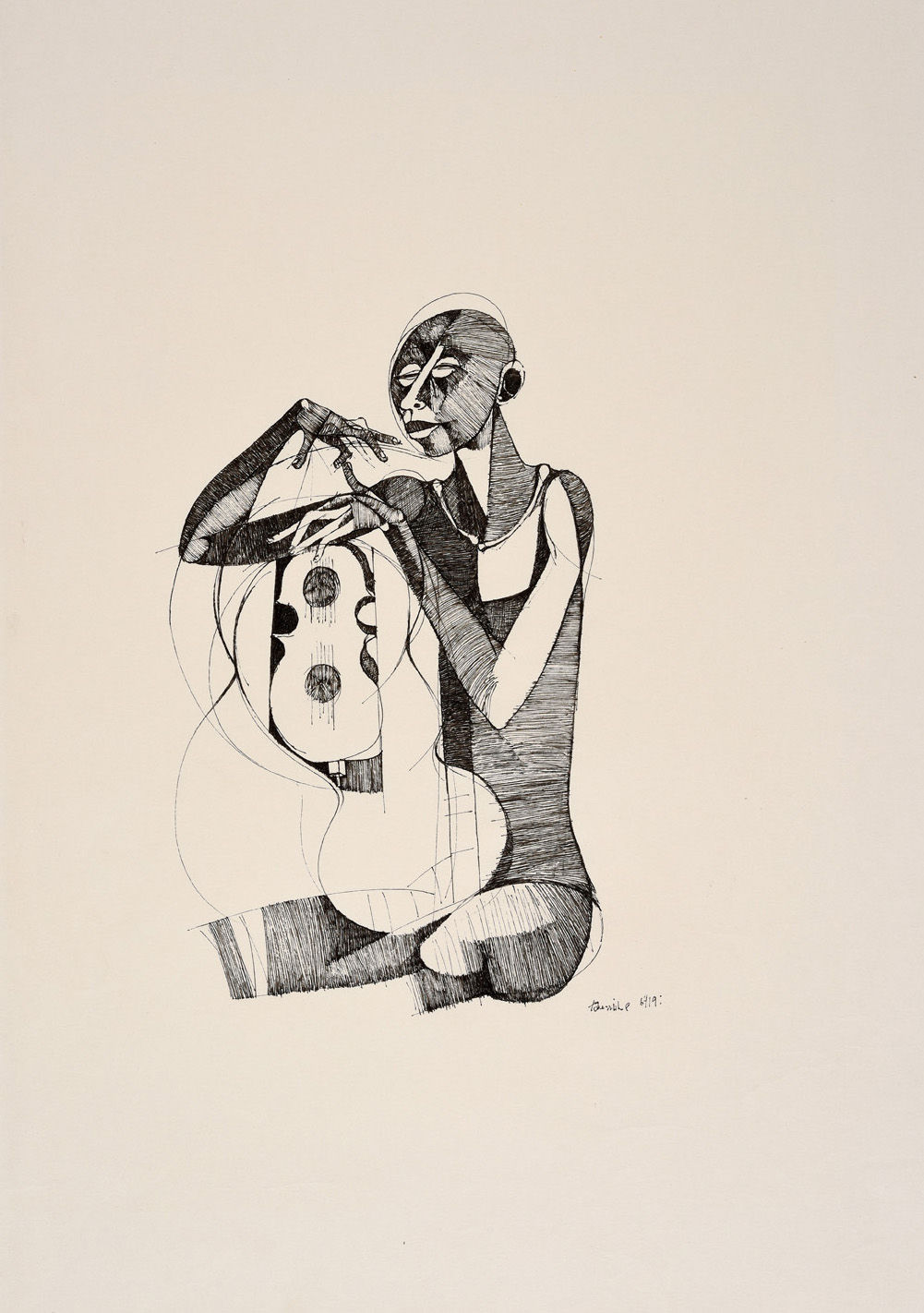
History Doesn’t Repeat Itself, but It Does Rhyme. Dumile Feni: African Guernica brings South African artist Dumile Feni’s monumental 1967 drawing African Guernica into direct conversation with Pablo Picasso’s Guernica (1937). Executed in charcoal and pencil on paper and measuring 218 × 226 cm, Feni’s work emerged from the violence and institutionalized racial oppression of apartheid South Africa. The exhibition also includes five additional works by Feni and four of Picasso’s preparatory drawings for Guernica, allowing visitors to consider the two artists’ approaches to violence, suffering, distortion, and monumentality across different political and geographic contexts. Museo Nacional Centro de Arte Reina Sofía, Sabatini Building, Floor 2, Room 205.08, Calle Santa Isabel, 52, 28012 Madrid, Spain. Opens March 25, 2026 — Runs through September 22, 2026. Feni created African Guernica three decades after Picasso’s painting, drawing on some of the earlier work’s visual strategies while transforming them through the realities of apartheid. Both compositions employ monochromatic palettes, fragmented and distorted bodies, dramatic tonal contrasts, compressed space, and intertwined human and animal forms. Yet Feni’s drawing belongs to a specifically South African history of racialized state power and social brutality. By placing the works close to one another, the exhibition emphasizes both their formal affinities and the crucial differences between the Spanish Civil War context that produced Picasso’s painting and the apartheid system against which Feni’s practice developed. The exhibition also marks a significant moment in Feni’s international reception: although African Guernica had been exhibited frequently in South Africa, this presentation is its first exhibition outside the country. The work traveled from the University of Fort Hare, while additional loans came from South African institutions and collections including the Norval Foundation and Wits Art Museum. Its arrival in Madrid therefore does more than establish an art-historical comparison with Picasso; it brings a major work of African modernism into one of the canonical spaces of European modern art and asks how histories of colonialism, apartheid, fascism, war, and racial violence might be read alongside rather than separately from one another.


Gallery