GET YOUR FREE
GUIDE HERE!
GUIDE HERE!

Dumile Feni
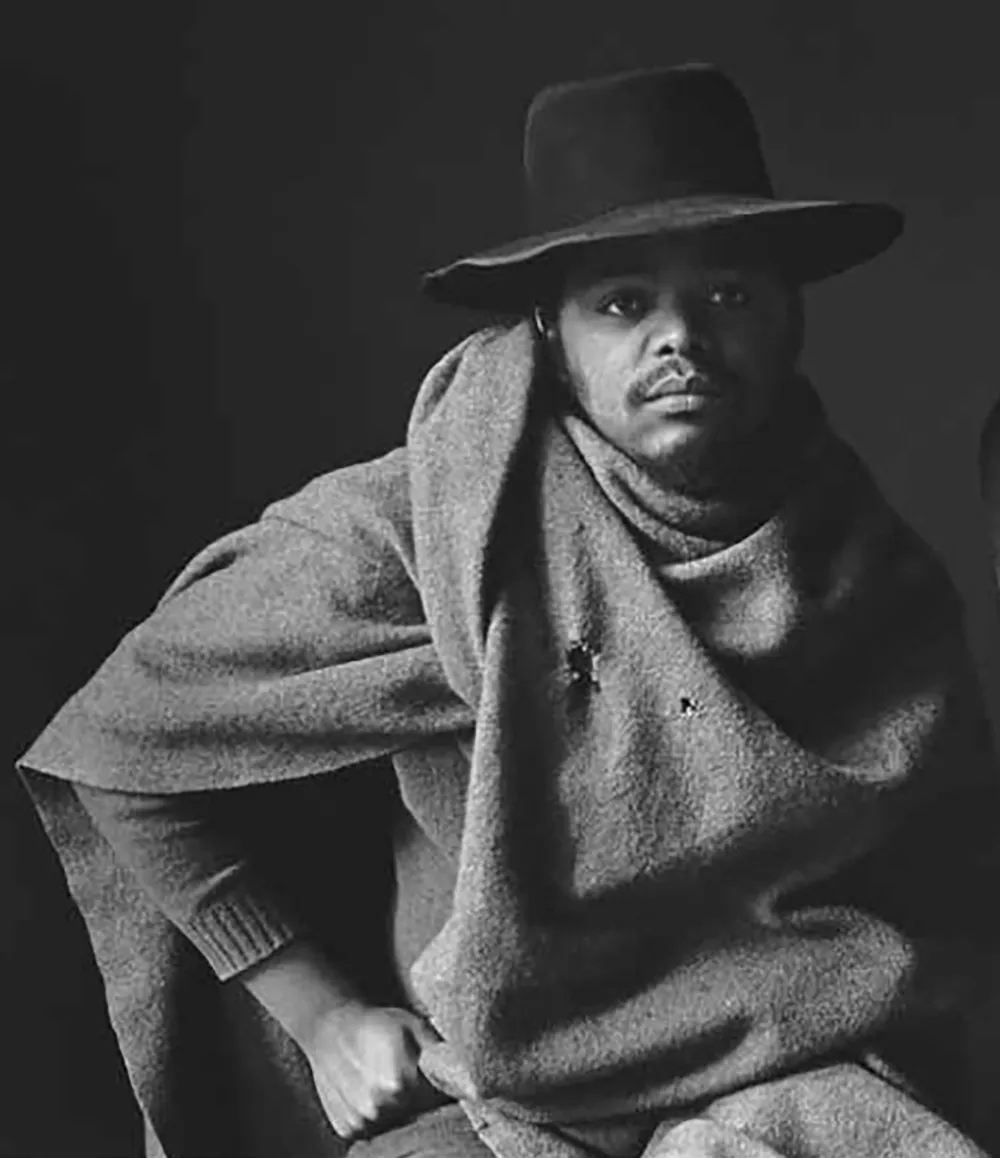
courtesy of gallery
No items found.
Biography
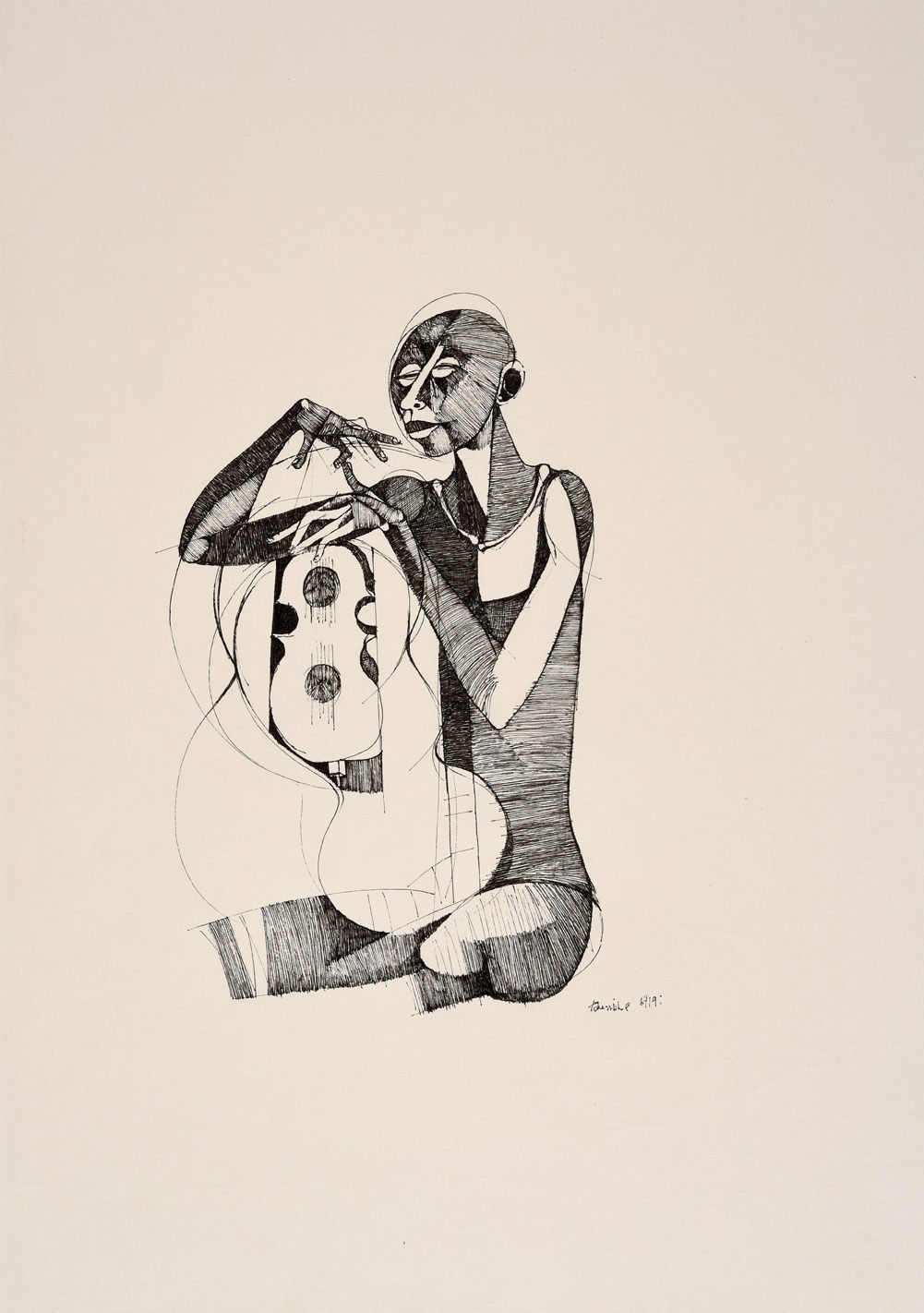
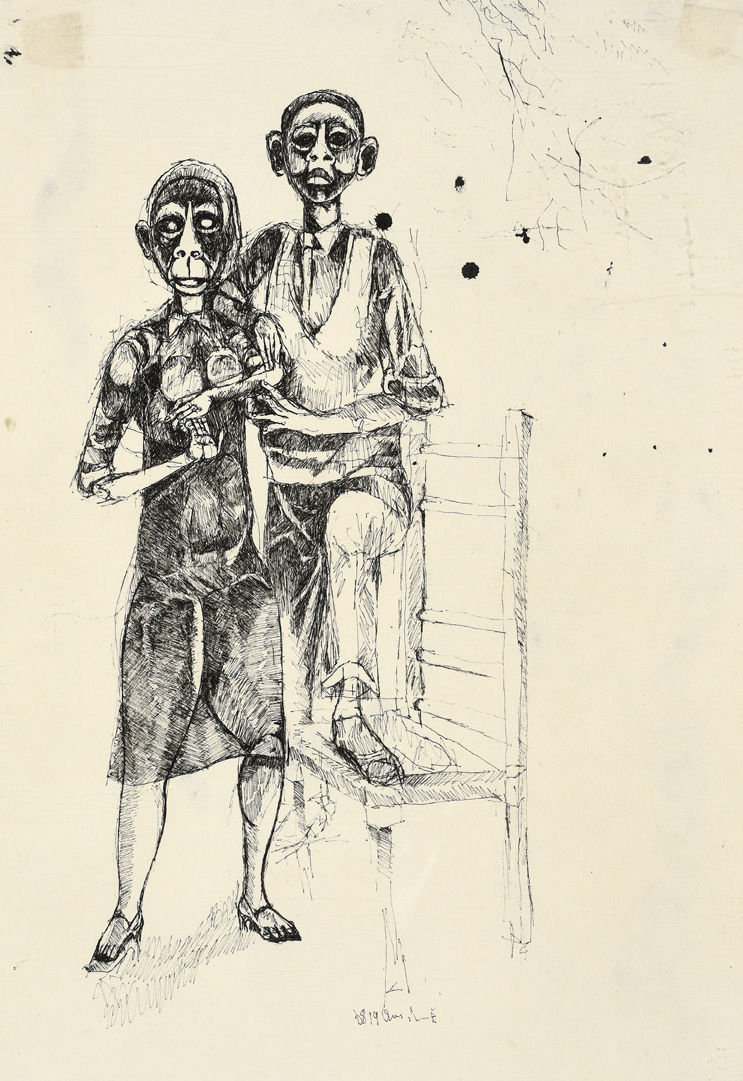
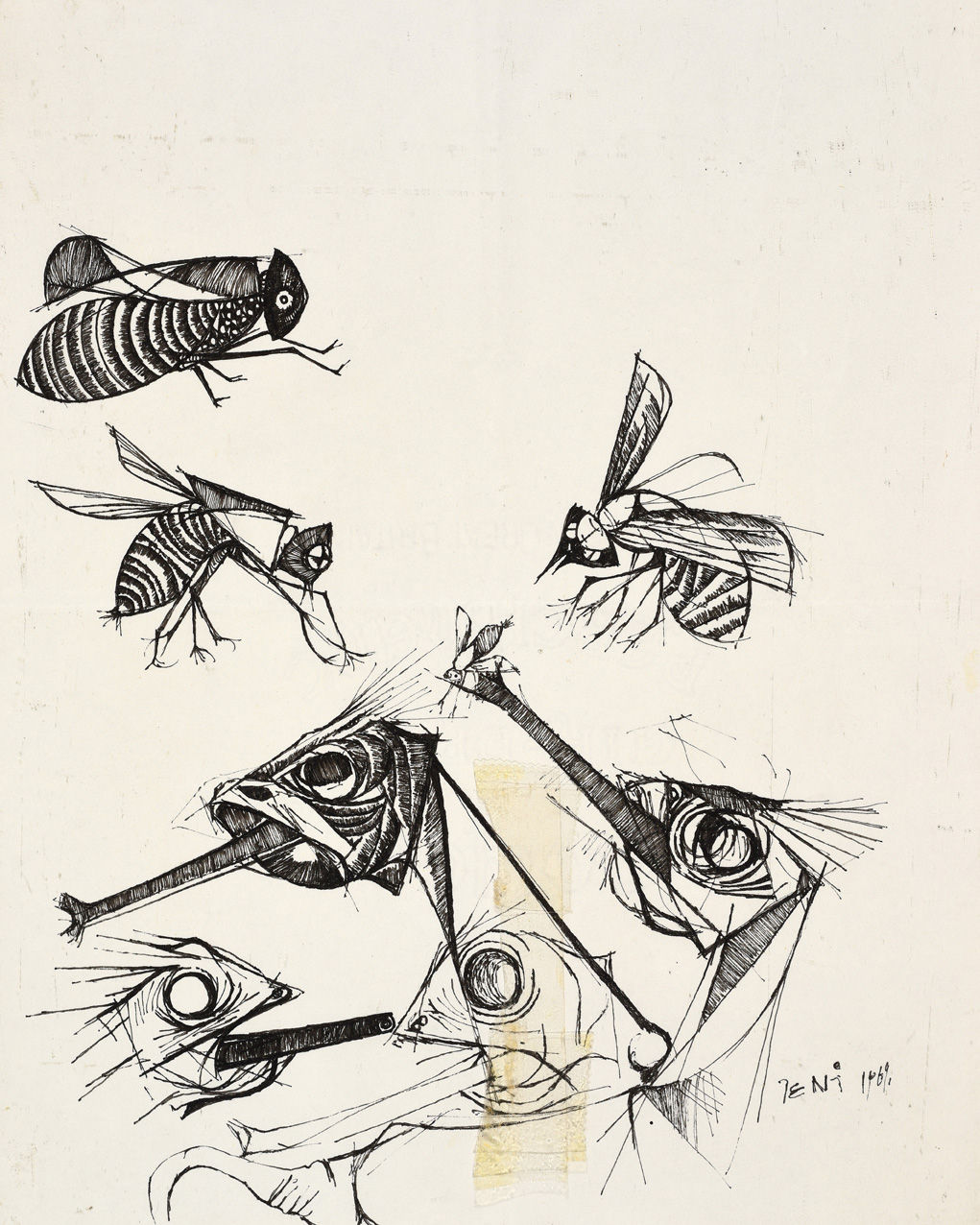
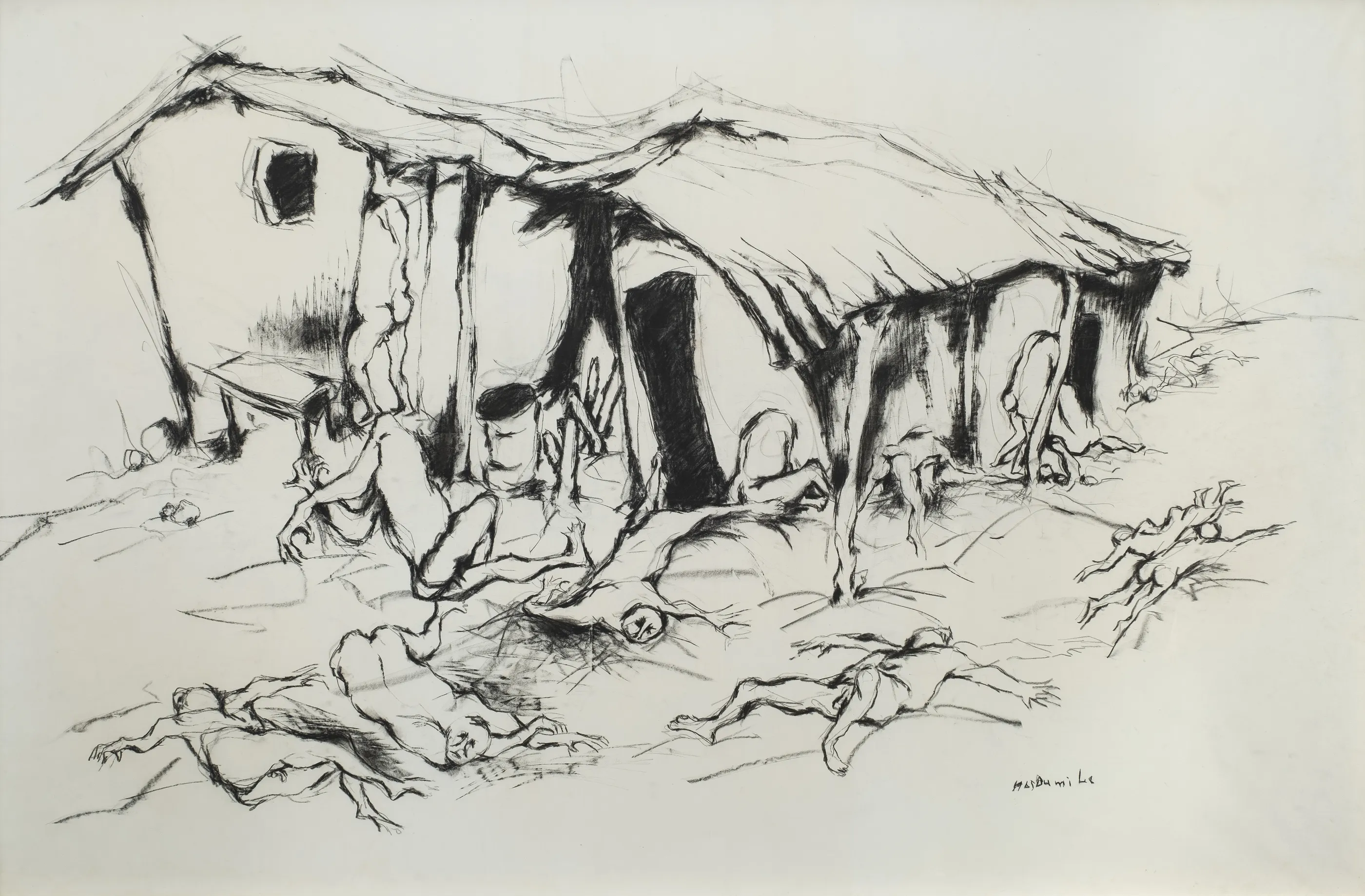
Dumile Feni (May 21, 1942–October 16, 1991), born in Withuis, Worcester, South Africa, was a South African artist and sculptor whose monumental drawings and expressive figurative works confronted apartheid, racial violence, poverty, labor, exile, and the broader vulnerabilities of human existence. Working primarily in charcoal, pencil, ink, Conté crayon, and sculpture, Feni developed a highly distinctive language of elongated, distorted, and entangled human and animal forms. His intense use of line gave his drawings a sculptural quality, while their monumental scale transformed drawing from an intimate medium into a vehicle for political, psychological, and historical witness. He became known during the 1960s as the “Goya of the townships,” although his work exceeded straightforward social realism, combining observations of Black urban life with spiritual, symbolic, and modernist forms.
Feni’s artistic development took place largely outside formal art-school structures. A compulsive drawer from childhood, he was influenced by San rock paintings and later learned clay modeling and bronze-casting techniques while working at a sculpture, pottery, and plastics foundry in Johannesburg. During treatment for tuberculosis at the Charles Hurwitz SANTA Hospital in Soweto in 1963, he met artist Ephraim Ngatane, who became an important mentor, and the two painted murals throughout the hospital. Feni later attended classes led by Ngatane at the Chiawelo Centre and became connected to artists and cultural figures including Bill Ainslie, Cecil Skotnes, Barney Simon, and Gallery 101 director Madame Haenggi.
His best-known work, African Guernica (1967), uses charcoal and pencil to create a densely populated world of distorted bodies, animals, shadows, and gestures of suffering. Produced against the backdrop of institutionalized racial violence under apartheid, the drawing exemplifies Feni’s capacity to combine political urgency with formal experimentation. In 2026, the Museo Reina Sofía in Madrid placed African Guernica directly in dialogue with Pablo Picasso’s Guernica—the first time Feni’s work had ever left South Africa—positioning him as a crucial figure within histories of African and global modernism.
Feni represented South Africa at the 1967 São Paulo Biennial, but escalating surveillance and harassment under apartheid eventually pushed him into exile in 1968. He first settled in London, where he exhibited at Grosvenor Gallery and Camden Arts Centre, before relocating to the United States in the late 1970s. He was an artist-in-residence at the Institute of African Humanities at UCLA, later studied film and television at New York University, and eventually settled in New York. Throughout his years in exile, Feni continued producing drawings and sculptures while also designing album covers, posters, calendars, and illustrations. He died of a heart attack in New York on October 16, 1991, shortly before a planned return to South Africa. His body was returned to South Africa and buried in Lenasia.
Birthday
May 21, 1942
N/A
Location
N/A
Show Support
Videos & Interviews
Artist Gallery
No items found.