GET YOUR FREE
GUIDE HERE!
GUIDE HERE!

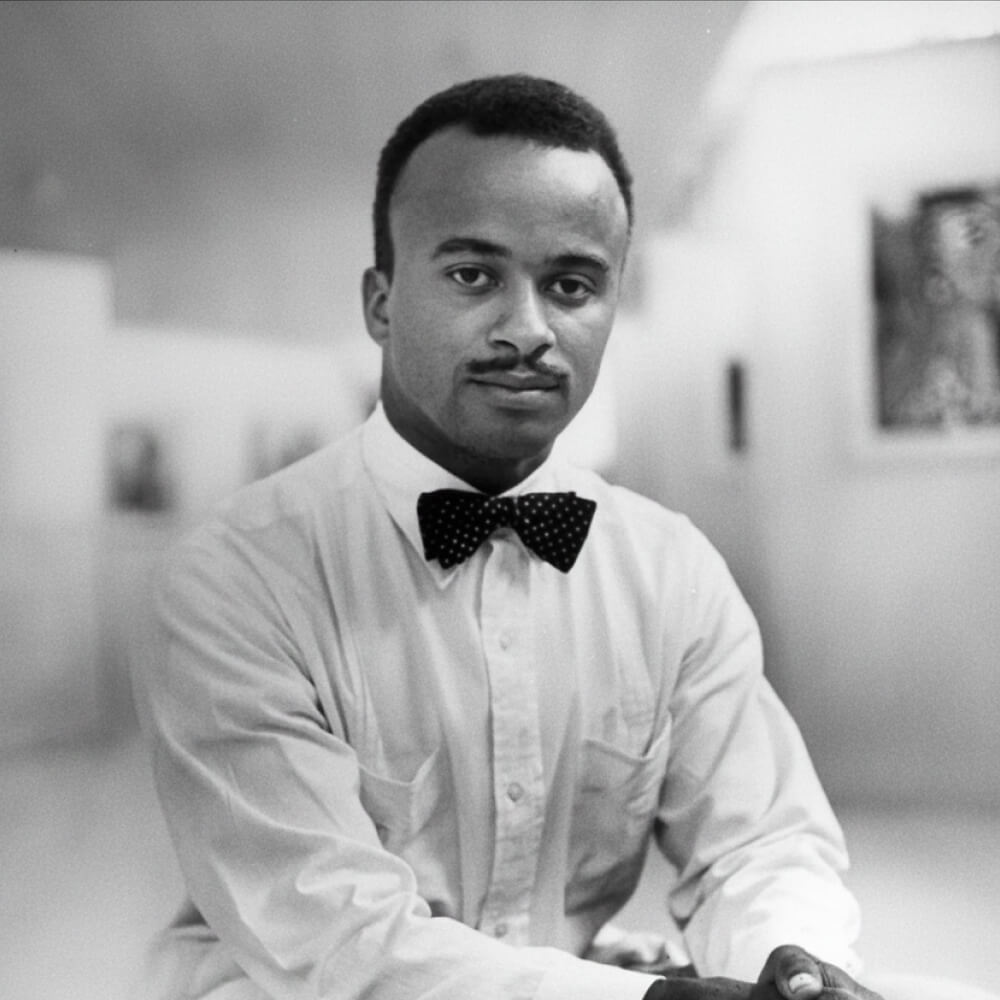
Loïs Mailou Jones

Photo courtesy of the Lois Mailou Jones Pierre-Noël Trust, Washington, DC
Biography
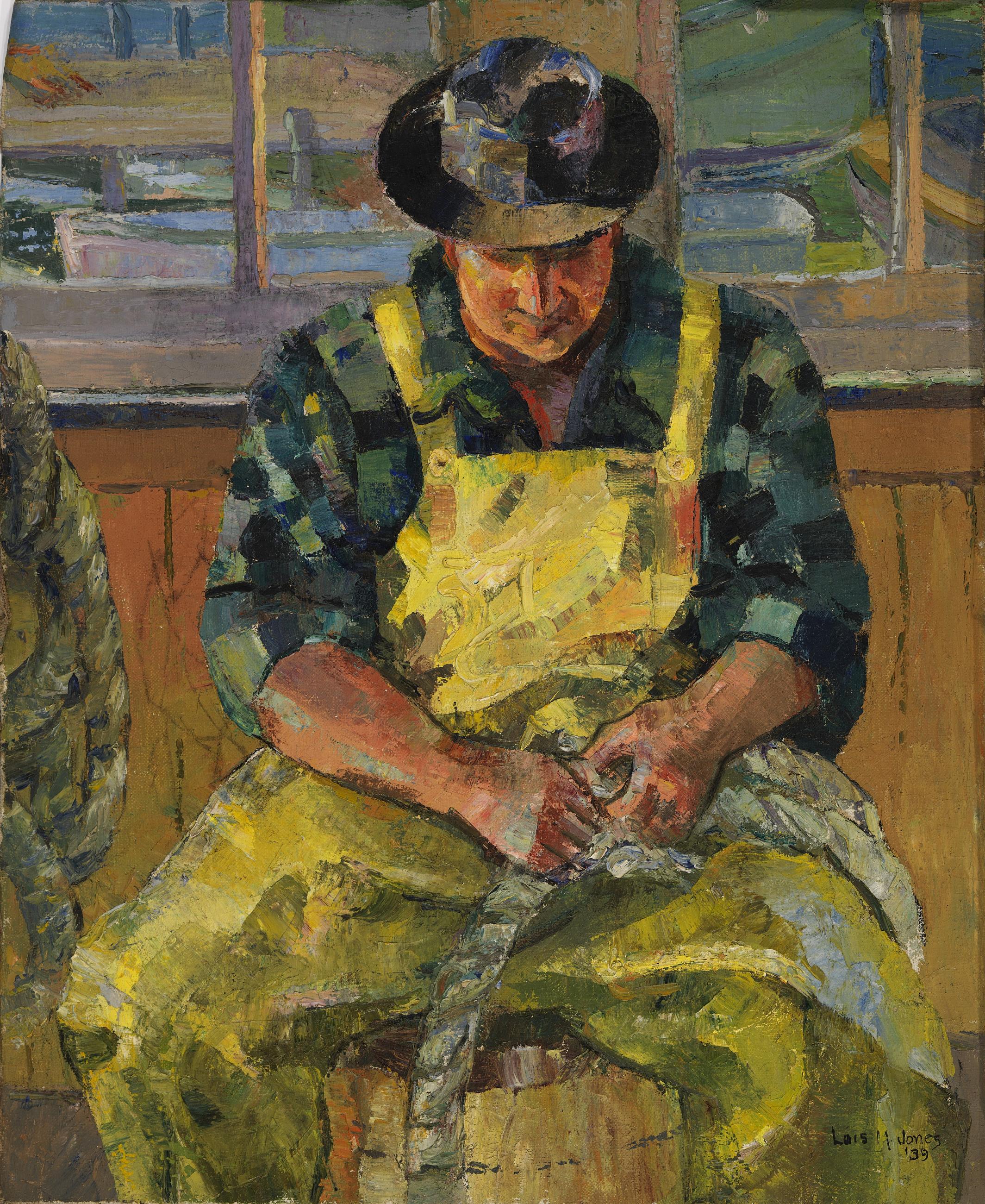
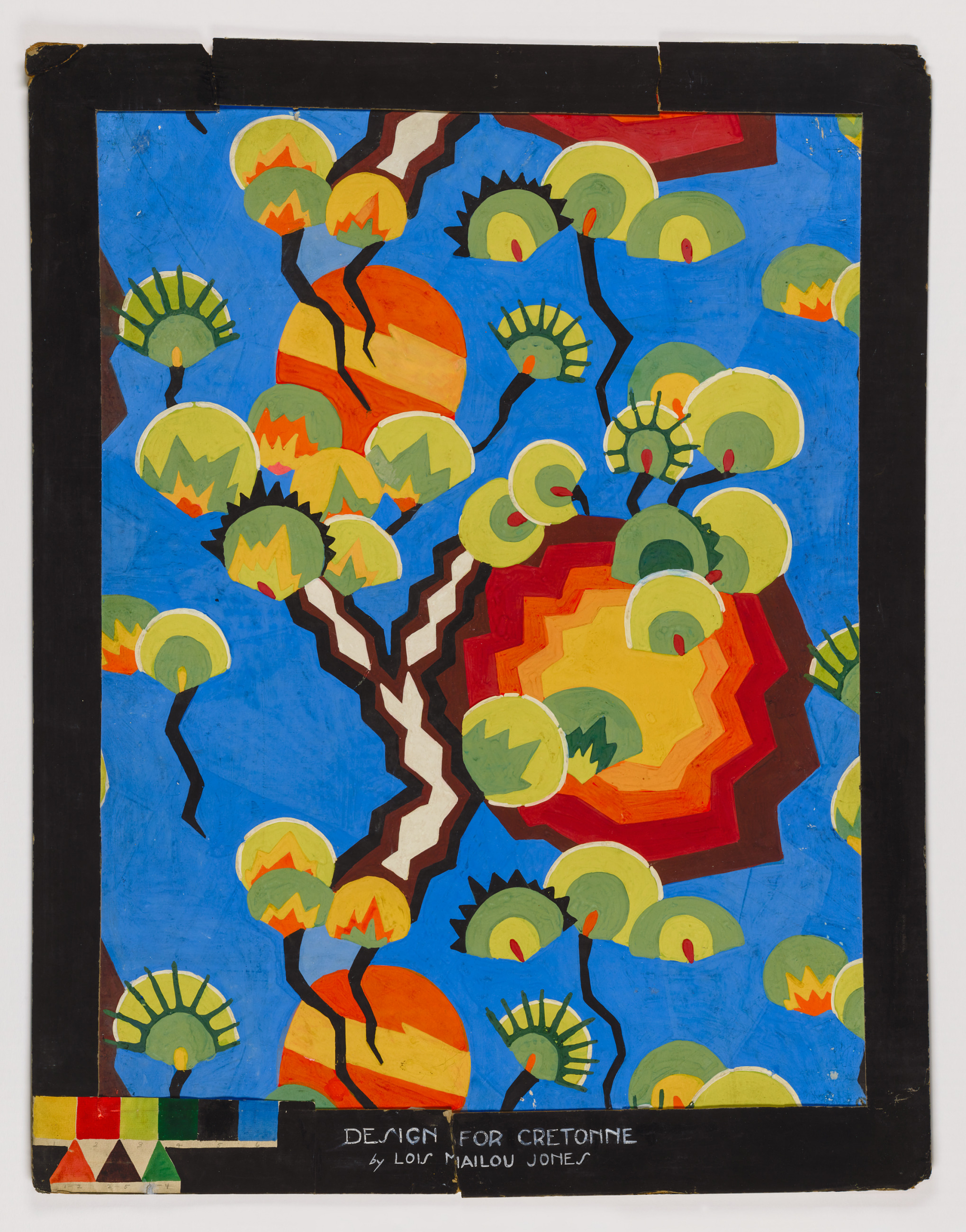
Loïs Mailou Jones (November 3, 1905 – June 9, 1998, born in Boston, Massachusetts) was an African American painter, designer, educator, and one of the major Black modernist artists of the twentieth century. Working across painting, watercolor, collage, textile design, and drawing, Jones developed a seven-decade practice shaped by African American cultural history as well as sustained encounters with France, Haiti, and the African continent. She trained at the School of the Museum of Fine Arts, Boston, graduating with honors in design in 1927, and began her professional career designing textiles for firms in Boston and New York before turning increasingly toward painting.
n 1930, Jones joined the art faculty at Howard University, where she taught design and watercolor until 1977 and mentored generations of artists, including Elizabeth Catlett, David Driskell, and Sylvia Snowden. Her career developed amid the artistic and intellectual networks associated with the late Harlem Renaissance and Washington, D.C.’s Black cultural community. In 1937–38, she took a sabbatical in Paris and studied at the Académie Julian. The relative freedom she experienced as a Black woman in France and her encounters with European modernism profoundly influenced paintings from this period, including landscapes, portraits, still lifes, and the important African-inspired work Les Fétiches (1938).
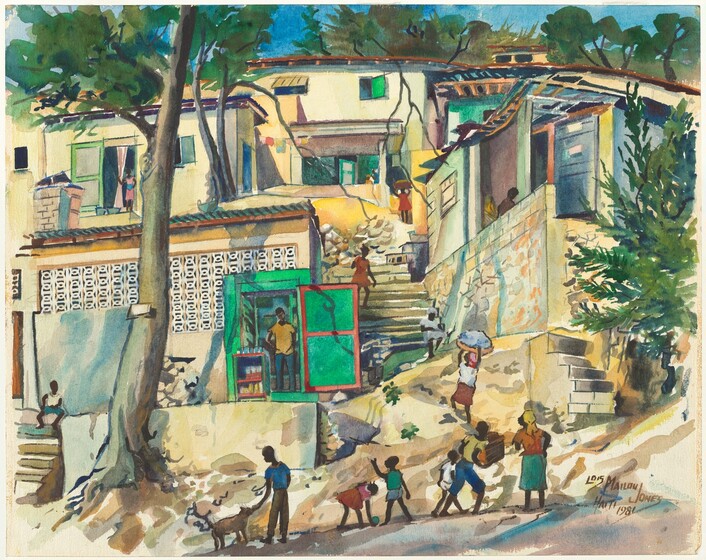
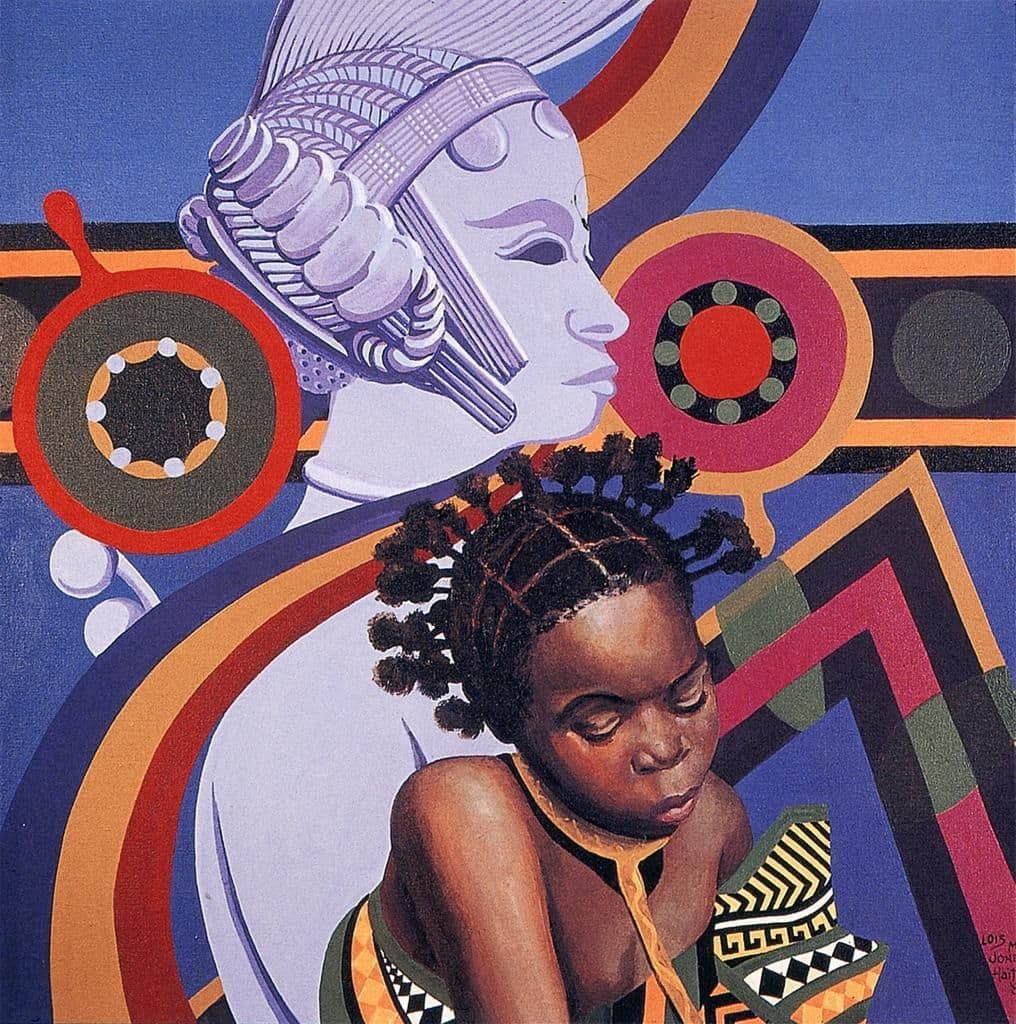
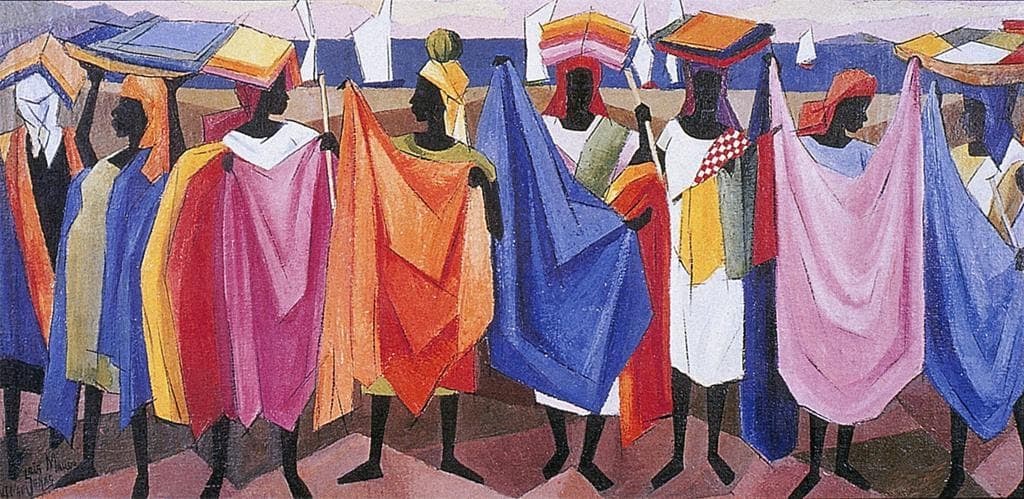
Jones’s visual language continued to shift through travel and engagement with the African diaspora. Her 1953 marriage to Haitian graphic designer Louis Vergniaud Pierre-Noël led to regular visits to Haiti, where its landscapes, markets, spiritual traditions, architecture, colors, and patterns became recurring subjects in her paintings. In 1970, Jones served as a cultural ambassador to Africa for the United States Information Agency, traveling to 11 countries, interviewing artists, visiting museums and studios, and documenting contemporary African art. Her subsequent work increasingly combined African-derived symbols, masks, textile patterns, geometric forms, and collage with modernist abstraction.
Across her career, Jones resisted narrow expectations of what African American artists should depict or how Black art should look. Her work moves between European-influenced landscape and still-life traditions, figurative representations of Black life, Haitian subject matter, and increasingly abstract compositions grounded in African and diasporic visual cultures. Works such as The Ascent of Ethiopia (1932), Les Fétiches (1938), Self Portrait (1940), Ubi Girl from Tai Region (1972), and Ode to Kinshasa (1972) demonstrate how she repeatedly reconsidered Black identity, modernism, cultural heritage, and internationalism. Her legacy is equally significant as an educator who helped establish space for subsequent generations of Black artists within American art institutions.
Birthday
November 3, 1905
N/A
Location
N/A
Show Support
Videos & Interviews
Artist Gallery
.png)
No items found.