

Dalton Paula

Portrait of Dalton Paula. Courtesy of the artist.

Biography
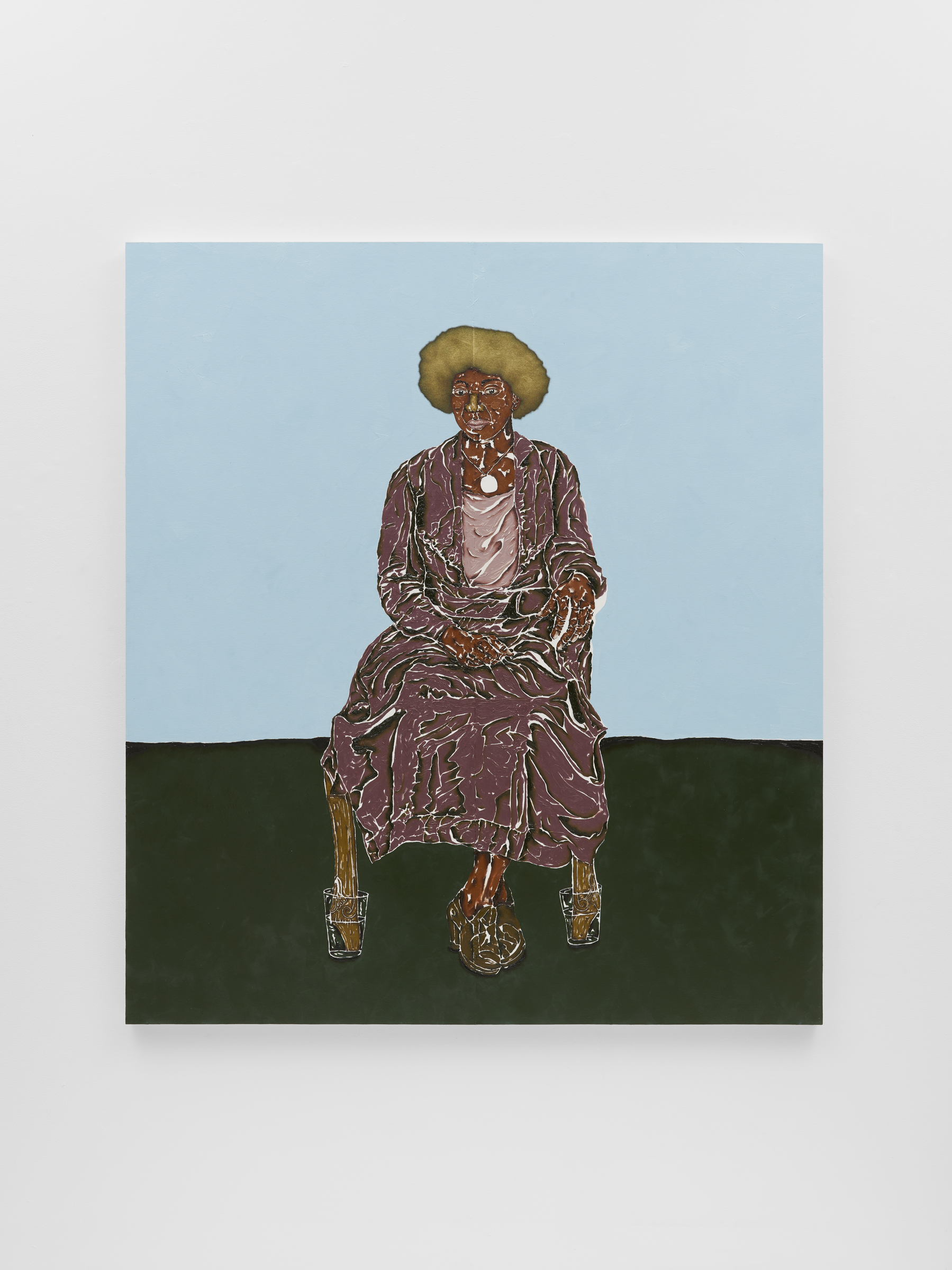
Dalton Paula (born 1982 in Brasília, Brazil) is an Afro-Brazilian artist, researcher, and educator whose multidisciplinary practice spans painting, drawing, photography, video, installation, performance, and object-making. Raised in central Brazil and currently based in Goiânia, Paula earned a bachelor’s degree in Visual Arts from the Federal University of Goiás. His practice centers the histories and experiences of Black Brazilians, particularly individuals and communities whose lives have been marginalized, erased, or left undocumented within official historical narratives. Through portraiture, archival research, material experimentation, and what he describes as forms of critical fabulation, Paula reconstructs possibilities for remembering Black historical subjects with dignity, specificity, and agency.
Portraiture has become one of the defining elements of Paula’s practice. Drawing partly from the visual language of retratos pintados, hand-painted photographic portraits historically popular in rural Brazil, he creates carefully composed images of Afro-Brazilian historical figures associated with resistance to enslavement, spiritual practice, cultural production, and community leadership. Gold and silver leaf, ceremonial clothing, architectural elements, and the conventions of historical studio photography elevate his sitters while questioning who has traditionally been considered worthy of commemoration. His subjects have included figures such as Zumbi, Luiza Mahin, Zacimba Gaba, Chico Rei, Zeferina, and Liberata, allowing portraiture to become a method of challenging the absences produced by colonial archives and dominant histories.
Paula also works beyond portraiture to investigate the material histories of slavery, colonialism, labor, spirituality, and the Black Atlantic. Installations involving ceramics, textiles, bottles, stools, medicinal objects, and other everyday forms have explored Brazil’s historic tobacco, gold, and cotton economies and their dependence on enslaved African labor. Spiritual and ancestral knowledge is equally important to his work, with terreiros, Candomblé, quilombos, congadas, healing traditions, and Afro-Brazilian ritual spaces serving as recurring sources of research and imagery. Projects such as Rota do algodão connect the history of cotton production in Brazil and the United States to histories of forced labor, resistance, healing knowledge, and the African diaspora.
Education and community-building extend this work beyond the museum. In 2021, Paula established Sertão Negro, an art school, studio, residency, garden, kitchen, and cultural center in Goiás that draws inspiration from the collective traditions of quilombos and creates spaces for artistic production, ecological knowledge, study, and exchange. His international profile has expanded substantially in recent years: he participated in the 60th Venice Biennale in 2024, received the CHANEL Next Prize in 2024, and presented Infâncias Negras at Lisson Gallery in New York in 2025, expanding his portrait practice through scenes centered on Black childhood, play, ritual, joy, and communal life. His work continues to position artmaking as a means of restoring historical presence while imagining alternative forms of memory, representation, and cultural continuity.
Birthday
N/A
Location
N/A
Show Support
Videos & Interviews
Artist Gallery

No items found.


