
GET YOUR FREE
GUIDE HERE!
GUIDE HERE!

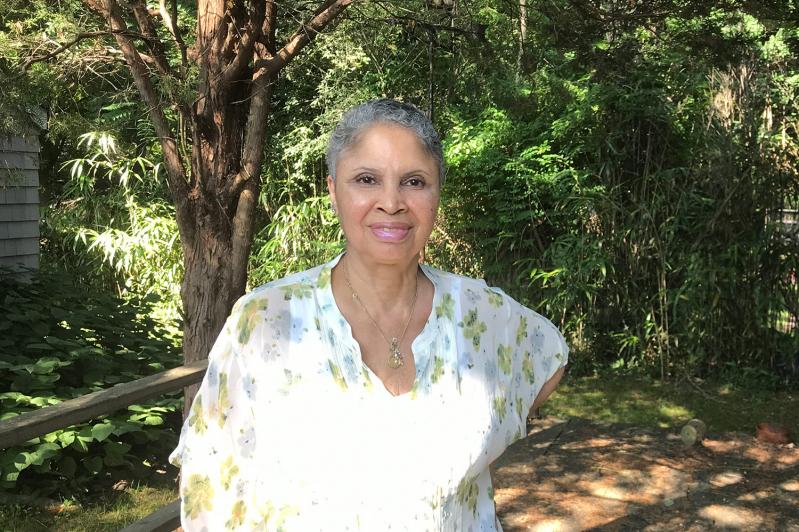
Candace Hill-Montgomery
Mark Segal
No items found.
Biography
Candace Hill-Montgomery (born February 9, 1945, in Queens, New York) is an African American multidisciplinary artist, poet, writer, curator, and educator whose practice has moved across installation, environmental sculpture, photography, painting, collage, textiles, weaving, performance, poetry, artists’ books, and public intervention for more than five decades. Emerging within New York’s alternative art scene in the late 1970s, Hill-Montgomery developed a politically engaged practice that confronts racism, poverty, feminism, state violence, urban displacement, labor, environmental crisis, and the structures governing public space. Her work is equally shaped by humor, wordplay, personal observation, family history, and a persistent resistance to conventional boundaries between artistic disciplines.
Hill-Montgomery’s early practice was closely tied to the streets and social conditions of New York. During her 1979–80 residency at the Studio Museum in Harlem, she expanded beyond studio painting into what she termed “environmental sculpture,” incorporating abandoned buildings, sidewalks, found materials, and public sites into works about housing, vacancy, racism, and social inequality. Reflections on Vacancy used reflective material to intervene in an abandoned Harlem building, while 92 Morningside Ave—Remember Fred Hampton addressed the 1969 police killing of Black Panther Party chairman Fred Hampton. She also participated in the landmark Times Square Show organized by Colab in 1980 and created public projects including Food for Thought, which responded to federal cuts by distributing food as part of the artwork.
Her practice has always extended beyond the gallery. Hill-Montgomery produced poetry, artists’ books, photography, performances, clothing, and collaborative projects, and worked with artists and writers including Ntozake Shange and feminist critic and curator Lucy R. Lippard. With Lippard, she co-organized Working Women/Working Artists/Working Together, an exhibition concerned with women’s creative and wage labor. Her publications include Historic Extinction, Fire Escape Scrolls, Muss Sill, Short Leash Kept On, and, in 2026, Abstractive, produced with poet David Grundy.
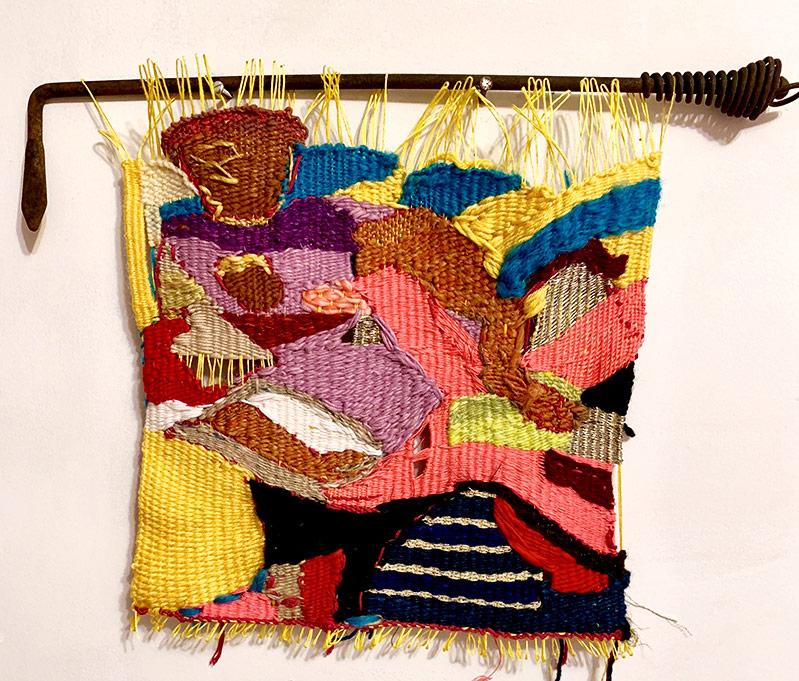
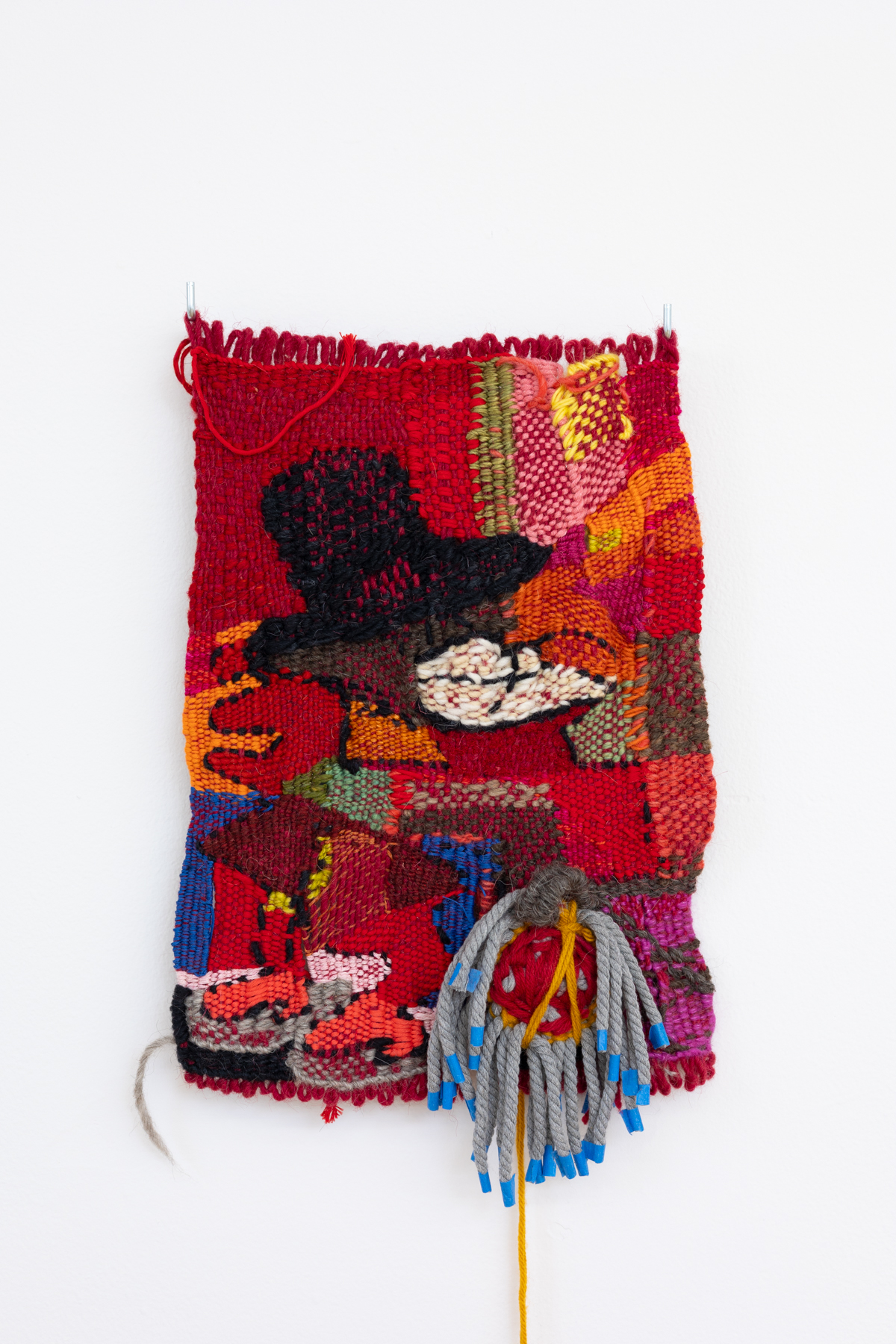
Following her retirement from a decades-long career teaching art and journalism in 2011, Hill-Montgomery moved full-time to Long Island and increasingly concentrated on weaving and sculptural textiles. Her recent works combine hand-spun and hand-dyed wool, linen, silk, cashmere, mohair, horsehair, beads, feathers, found objects, vintage implements, and other materials into irregular woven assemblages whose titles often function like fragments of poetry. These works use allegory, satire, political commentary, and autobiography to address racism, feminism, poverty, migration, environmental crisis, popular culture, and contemporary politics. A renewed institutional interest in her work has led to major recent presentations at Blank Forms, Kettle’s Yard, the Studio Museum in Harlem, MoMA PS1, and Hollybush Gardens. She currently lives and works in Bridgehampton, New York.
Birthday
February 9, 1945
N/A
Location
N/A
Show Support
Videos & Interviews
Artist Gallery
No items found.

.jpeg)


