GUIDE HERE!

Lynette Yiadom-Boakye: Many A Moonlit Caveat
Many A Moonlit Caveat extends Lynette Yiadom-Boakye’s exploration of fictional Black subjects through painting and drawing. The exhibition is on view at Jack Shainman Gallery, 46 Lafayette Street and 513 West 20th Street, New York, from April 24 to July 31, 2026.

Lynette Yiadom-Boakye: Many A Moonlit Caveat, a solo exhibition of new paintings and works on paper by Lynette Yiadom-Boakye, presents fictional Black figures navigating intimacy, watchfulness, freedom, and psychological uncertainty. Jack Shainman Gallery, 46 Lafayette Street and 513 West 20th Street, New York, NY. Runs April 24–July 31, 2026.
Exhibition Description
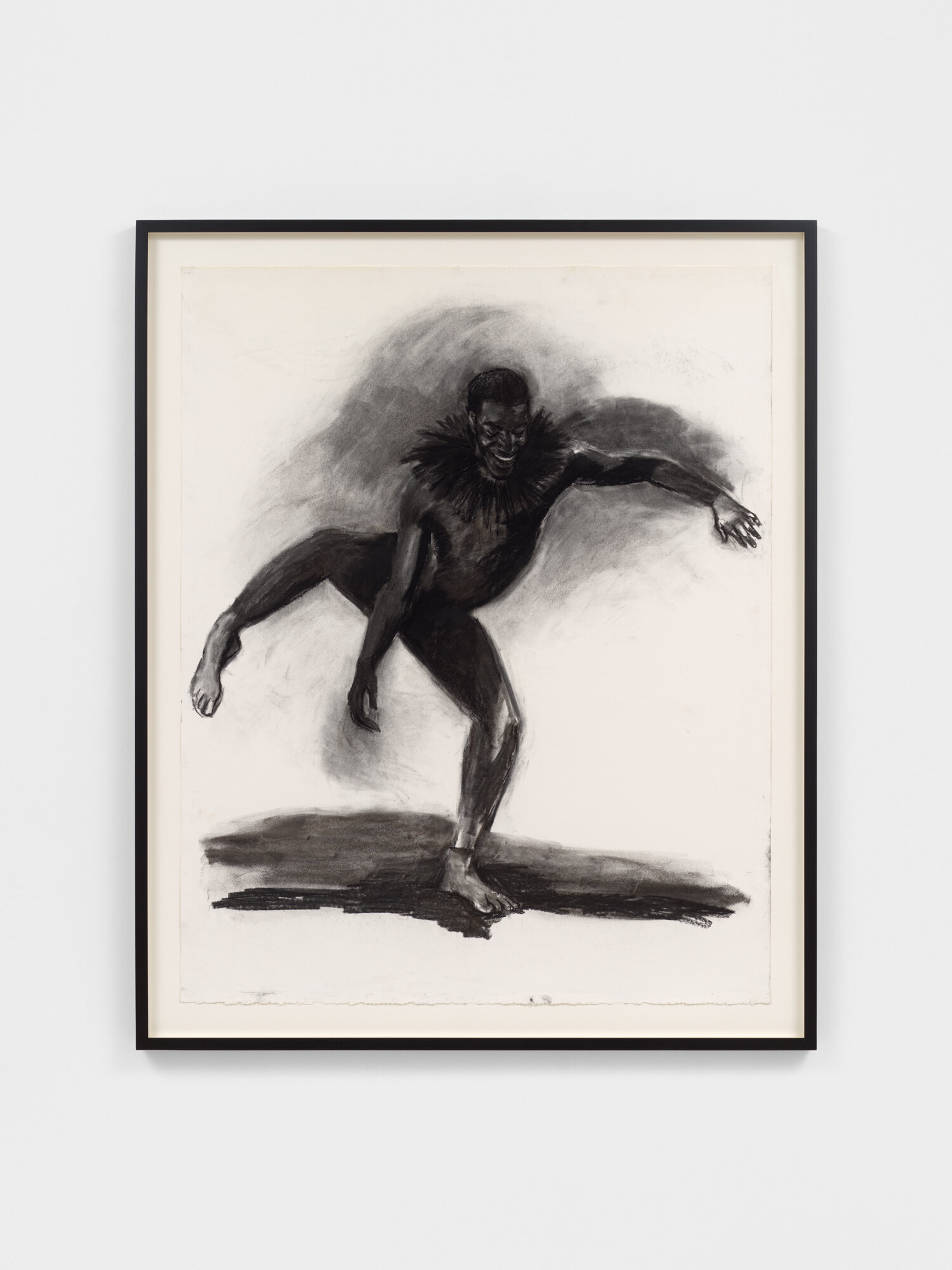
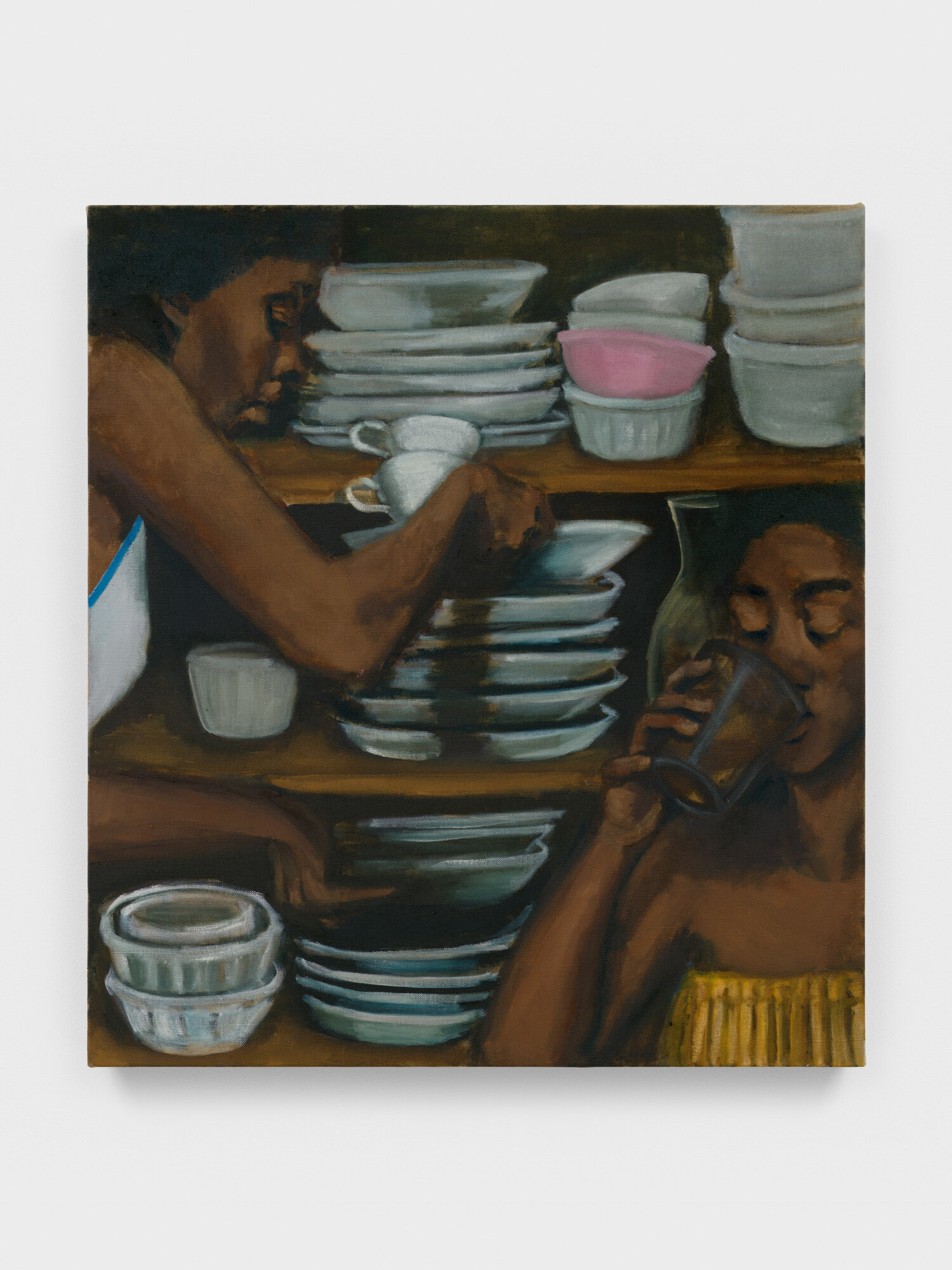
Lynette Yiadom-Boakye: Many A Moonlit Caveat presents new paintings and works on paper by London-based artist and writer Lynette Yiadom-Boakye across Jack Shainman Gallery’s Tribeca and Chelsea locations. Working primarily in oil on linen, charcoal, and red chalk, Yiadom-Boakye creates fictional Black figures who appear absorbed in conversation, performance, music, rest, observation, and private thought. The exhibition includes twenty-one paintings and seventeen drawings, expanding the artist’s ongoing examination of portraiture, fiction, interiority, and the possibilities of representing Black life beyond documentary or biographical expectations. Jack Shainman Gallery, 46 Lafayette Street and 513 West 20th Street, New York, NY. Opens April 24, 2026 — Runs through July 31, 2026. The exhibition takes its title and emotional framework from a poem written by Yiadom-Boakye about nocturnal birds that know when to reject false stories, refuse harmful offerings, avoid unwanted touch, or remain hidden from a threatening gaze. The barn owl, nightjar, corncrake, woodcock, and nightingale become figures of discernment and self-preservation. Through this poetic structure, the exhibition approaches silence, distance, invisibility, and refusal not as signs of absence, but as possible strategies for maintaining autonomy and freedom. Yiadom-Boakye’s figures are imagined rather than painted from identifiable sitters. They occupy settings that resist clear historical or geographic placement, allowing gesture, posture, clothing, facial expression, and relationships between bodies to generate meaning. Some figures recline alone or gather around tables, while others dance, sing, photograph one another, or appear suspended in moments of social and emotional tension. Familiar motifs—including white tablecloths, tiled floors, dark interiors, formal clothing, and theatrical poses—create scenes that feel recognizable while remaining deliberately unresolved. Across the exhibition, Yiadom-Boakye uses fiction to protect her subjects from being reduced to evidence, explanation, or stereotype. Her figures remain visible yet unknowable, possessing inner lives that viewers cannot fully access. The uncertain spaces surrounding them—walls that seem to shift, floors that tilt, and atmospheric backgrounds that refuse stable perspective—reinforce the exhibition’s interest in perception, vulnerability, and the instability of looking. Many A Moonlit Caveat ultimately presents fictional portraiture as a form of freedom, allowing Black subjects to inhabit elegance, humor, intimacy, contemplation, and mystery without being required to account for their presence.


Gallery