
GUIDE HERE!

Janiva Ellis: Geneva
Janiva Ellis: Geneva presents a new body of paintings that reworks familiar art-historical imagery to expose contradictions within dominant cultural narratives and inherited systems of representation. The exhibition was on view at Kunsthalle Basel, Steinenberg 7, CH-4051 Basel, Switzerland, from April 30 to August 8, 2026.
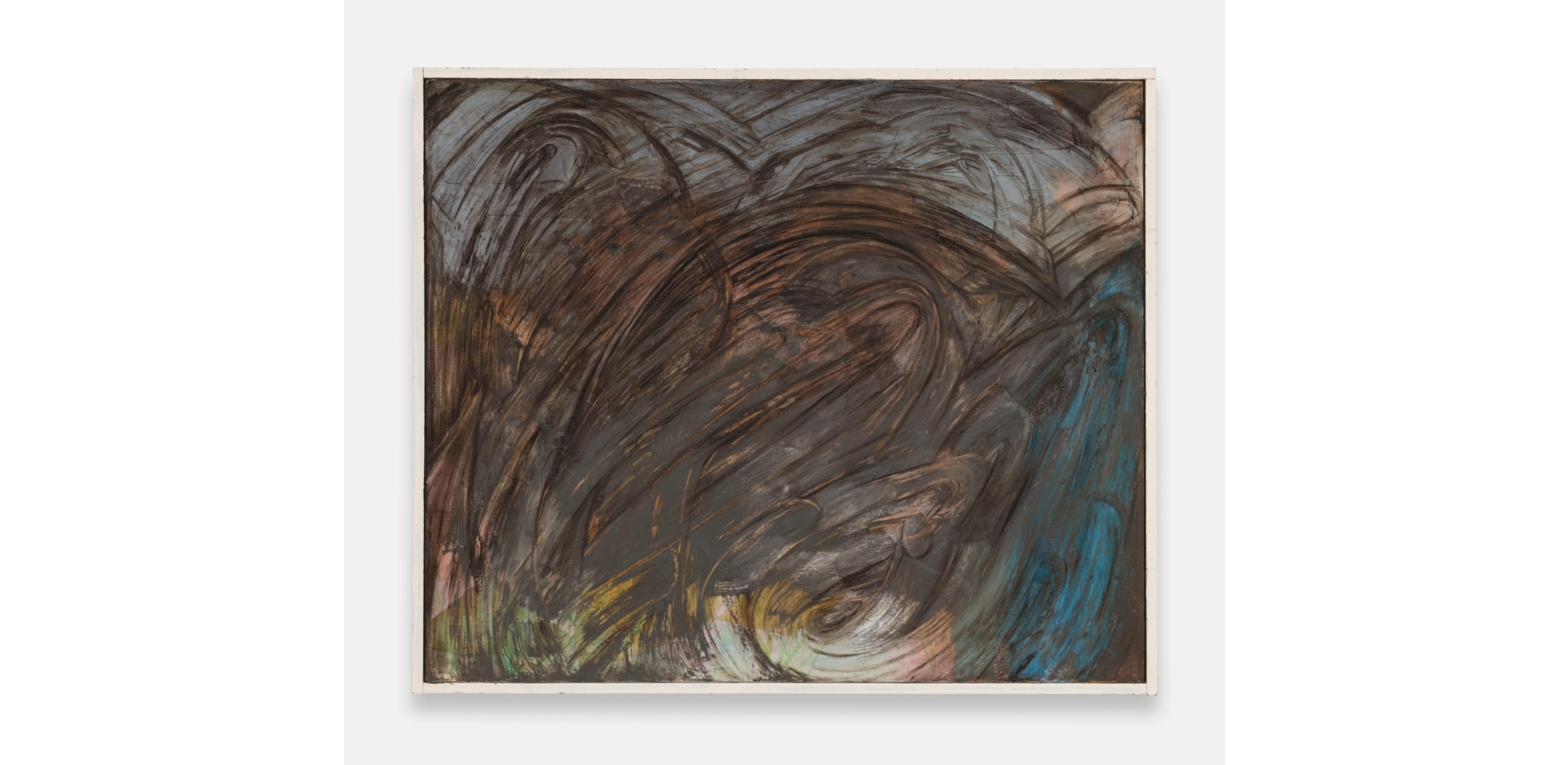
Janiva Ellis: Geneva, a solo exhibition of eleven paintings by Janiva Ellis, combines figuration and abstraction to confront white supremacist cultural myths while exploring visibility, erasure, survival, religion, landscape, and desire. Kunsthalle Basel, Steinenberg 7, CH-4051 Basel, Switzerland. Runs April 30–August 8, 2026.
Exhibition Description
Janiva Ellis: Geneva marks Janiva Ellis’s first institutional solo exhibition in Europe and brings together eleven paintings made specifically for the presentation at Kunsthalle Basel. Moving fluidly between recognizable figures, abstract passages, carefully rendered details, and raw painterly gestures, Ellis draws from popular imagery, digital sources, archives, chance encounters, and established motifs from Western art history. Her compositions use humor, ambiguity, beauty, and visual disruption to examine how myths of white supremacy remain embedded within dominant cultural narratives and systems of representation. Kunsthalle Basel, Steinenberg 7, CH-4051 Basel, Switzerland. Opens April 30, 2026 — Runs through August 8, 2026. Three recurring threads structure the exhibition: religion, landscape, and the erotic. Each carries a long history within European painting, and Ellis approaches these subjects not as neutral artistic traditions but as inherited structures through which ideas about bodies, morality, nature, beauty, race, and power have been organized. Her paintings inhabit these traditions while simultaneously unsettling them, asking what canonical art history has rendered visible and what it has obscured, erased, or treated as peripheral. Language operates similarly within the work: titles and fragments of meaning can provide orientation while also exposing the instability and limitations of naming. Through these collisions, Geneva positions painting as a site where inherited visual histories can be entered, disrupted, and rewritten. Ellis does not simply replace one narrative with another; instead, she allows contradictions to remain visible, making uncertainty itself productive. Across the exhibition, questions of visibility, erasure, and survival become inseparable from the act of painting, as images are continually made, concealed, transformed, and brought back into view.