
GUIDE HERE!

Crystalline
Crystalline is on view at Kestner Gesellschaft in Hannover from August 29 through November 15, 2026. The exhibition presents British-born Nigerian artist and filmmaker Karimah Ashadu’s sustained investigation of work and everyday life in Nigeria, particularly among people operating within informal economies. Through film, photography, sculpture, sound, color, and architectural installation, Ashadu considers how labor produces both material value and aspirations toward independence, visibility, and self-determined life.
Crystalline, Kestner Gesellschaft, Goseriede 11, 30159 Hannover, Germany, August 29 – November 15, 2026. Karimah Ashadu’s first institutional solo exhibition in Germany brings together film, photography, sculpture, and installation to examine labor, value, masculinity, self-determination, and informal economies in contemporary Nigeria. At the center of the exhibition is the world premiere of Ashadu’s film WAVES (2026), accompanied by eight new photographs and the sculpture Auric Field (2026).
Exhibition Description
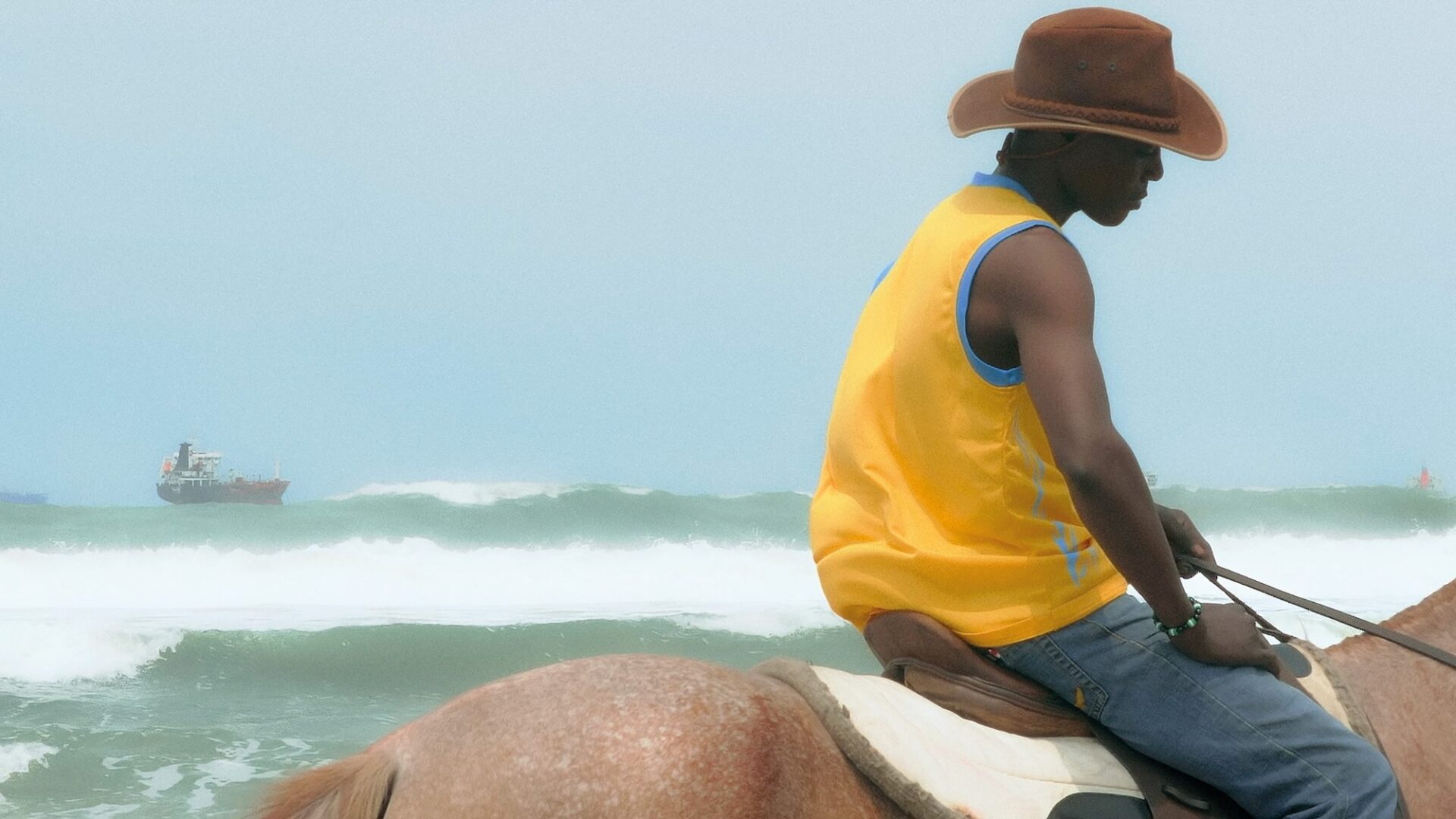
Crystalline is on view at Kestner Gesellschaft, Goseriede 11, 30159 Hannover, Germany, from August 29 through November 15, 2026. The exhibition marks Karimah Ashadu’s first institutional solo exhibition in Germany and expands upon a practice centered primarily on film while incorporating photography and sculpture. Ashadu, a British-born Nigerian artist and filmmaker who lives and works between Hamburg and Lagos, has focused much of her work on Nigeria and on individuals whose livelihoods exist within the country’s informal economies. Through these subjects, she investigates questions of independence, economic value, labor, masculinity, vulnerability, and the desire for autonomy. At the center of Crystalline is the world premiere of WAVES (2026), a film documenting an informal car wash in Lagos’s Oniru district on land recently reclaimed from the Atlantic Ocean. The film follows a group of men washing cars while repeatedly shifting its attention between their labor and the surrounding ocean. Their voices, speaking in Hausa, recount the circumstances that brought them to Lagos. The presentation also includes eight nearly life-size photographs depicting people from the film and its surroundings. Ashadu alters the photographic surfaces with saltwater, ink, pigment, and bleach; as the water evaporates, salt crystals emerge across the portraits, materially bringing the Atlantic into the images themselves. The exhibition also features Auric Field (2026), a sculpture made from a found copper water tank onto which Ashadu has drawn the figure of one of the film’s protagonists. Removed from its utilitarian setting and repositioned within the gallery, the object becomes part of the exhibition’s broader inquiry into how materials, objects, and people acquire or are assigned value. An adjoining installation presents Cowboy (2022), a film focused on a horse caretaker living in Tarkwa Bay near Lagos. Through the symbolic figure of the cowboy, Ashadu explores freedom and autonomy alongside the realities of precarious labor and performed masculinity. Across Crystalline, processes of physical transformation echo the social and economic transformations experienced by Ashadu’s subjects. Water becomes crystalline residue, moving images enter into conversation with sculpture and photographic surfaces, and representations of labor acquire material form within the gallery. Through these relationships, Ashadu examines how value is produced through natural processes, economic structures, personal aspiration, and human labor, while positioning the Atlantic as both a physical presence and a space shaped by possibility, vulnerability, and uncertainty.