GET YOUR FREE
GUIDE HERE!
GUIDE HERE!

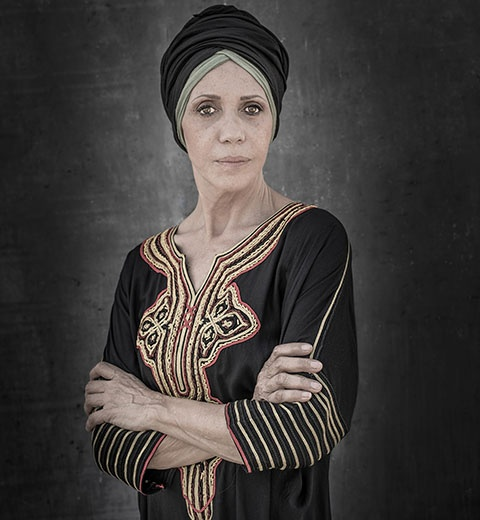
Senga Nengudi

Courtesy of the artist
No items found.
Biography
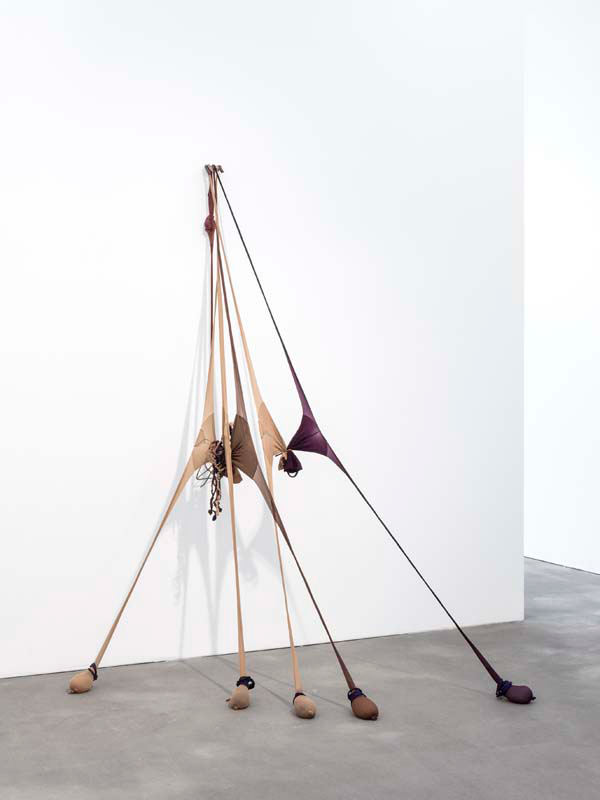
Senga Nengudi (born September 18, 1943, Chicago, Illinois) is a pioneering American interdisciplinary artist whose work explores the body, movement, ritual, and the elasticity of form. Emerging in the 1970s within the Black avant-garde communities of Los Angeles and New York, Nengudi became known for her groundbreaking use of unconventional materials—particularly pantyhose, sand, and found objects—to create sculptures that respond to gravity, tension, and the physicality of lived experience.
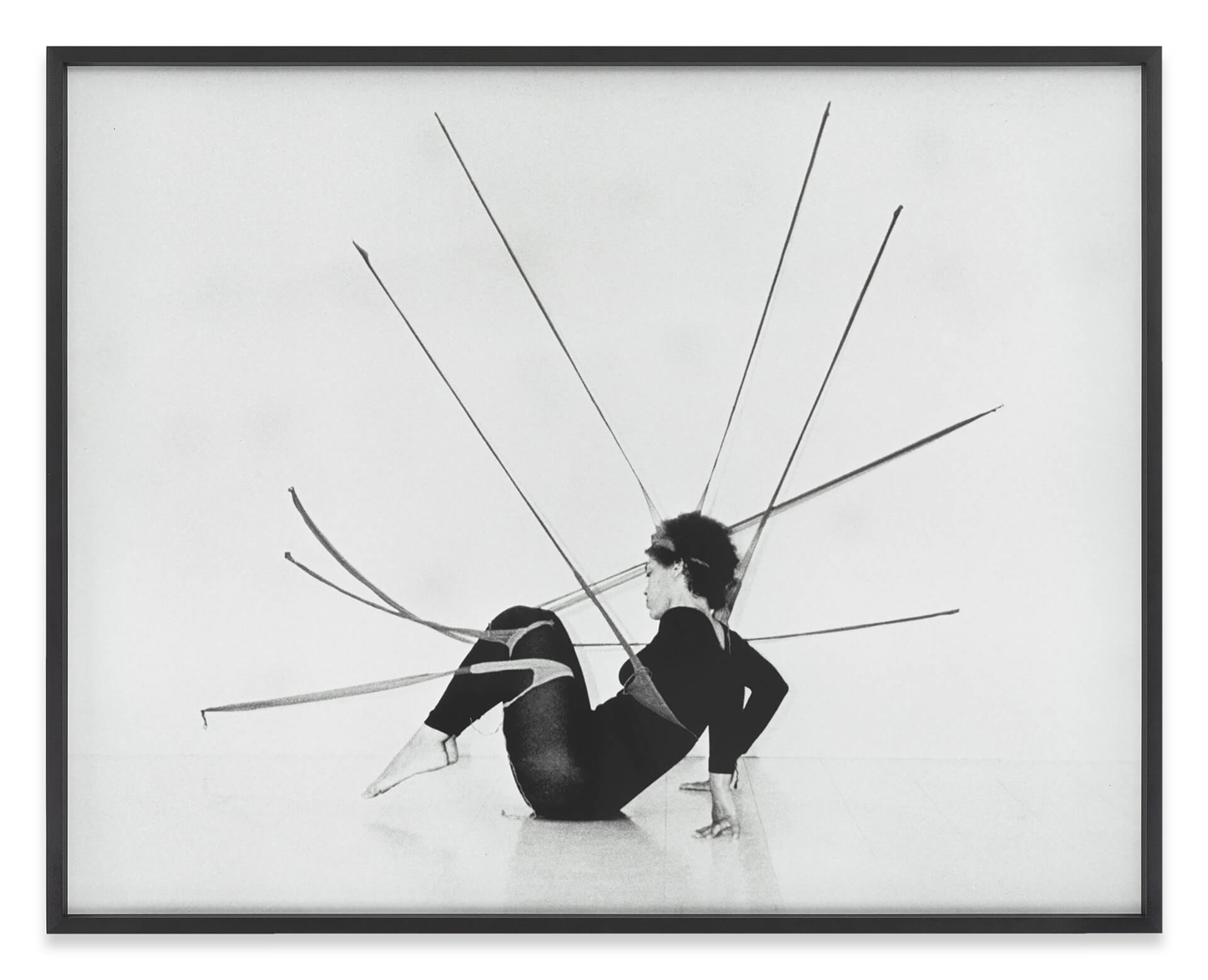
Her iconic R.S.V.P. series (1970s–ongoing) consists of nylon pantyhose stretched and weighted with sand, forming biomorphic, sagging structures that evoke the human body—especially the maternal body—and its vulnerability, resilience, and transformation. These works blur distinctions between sculpture and performance, as Nengudi frequently activated them through movement and collaboration with dancers. Throughout her career, she has emphasized process, improvisation, and ritual, drawing influence from African diasporic traditions, Japanese Gutai performance, and her own experiences of pregnancy and motherhood.
Associated with the Studio Z collective in Los Angeles, Nengudi collaborated closely with artists such as David Hammons and Maren Hassinger, helping shape a generation of experimental Black conceptual practices. Her work challenges rigid definitions of minimalism and post-minimalism by introducing softness, Black embodiment, and spiritual resonance into sculptural discourse.
In recent decades, Nengudi has received renewed international recognition, with major museum retrospectives and exhibitions highlighting her lasting influence on contemporary art. Her work is held in leading institutional collections worldwide, and she continues to be regarded as a critical figure in feminist, performance-based, and Black avant-garde art histories.
Birthday
September 18, 1943
N/A
Location
N/A
Show Support
Videos & Interviews
Artist Gallery
No items found.