GET YOUR FREE
GUIDE HERE!
GUIDE HERE!

Mavis Pusey
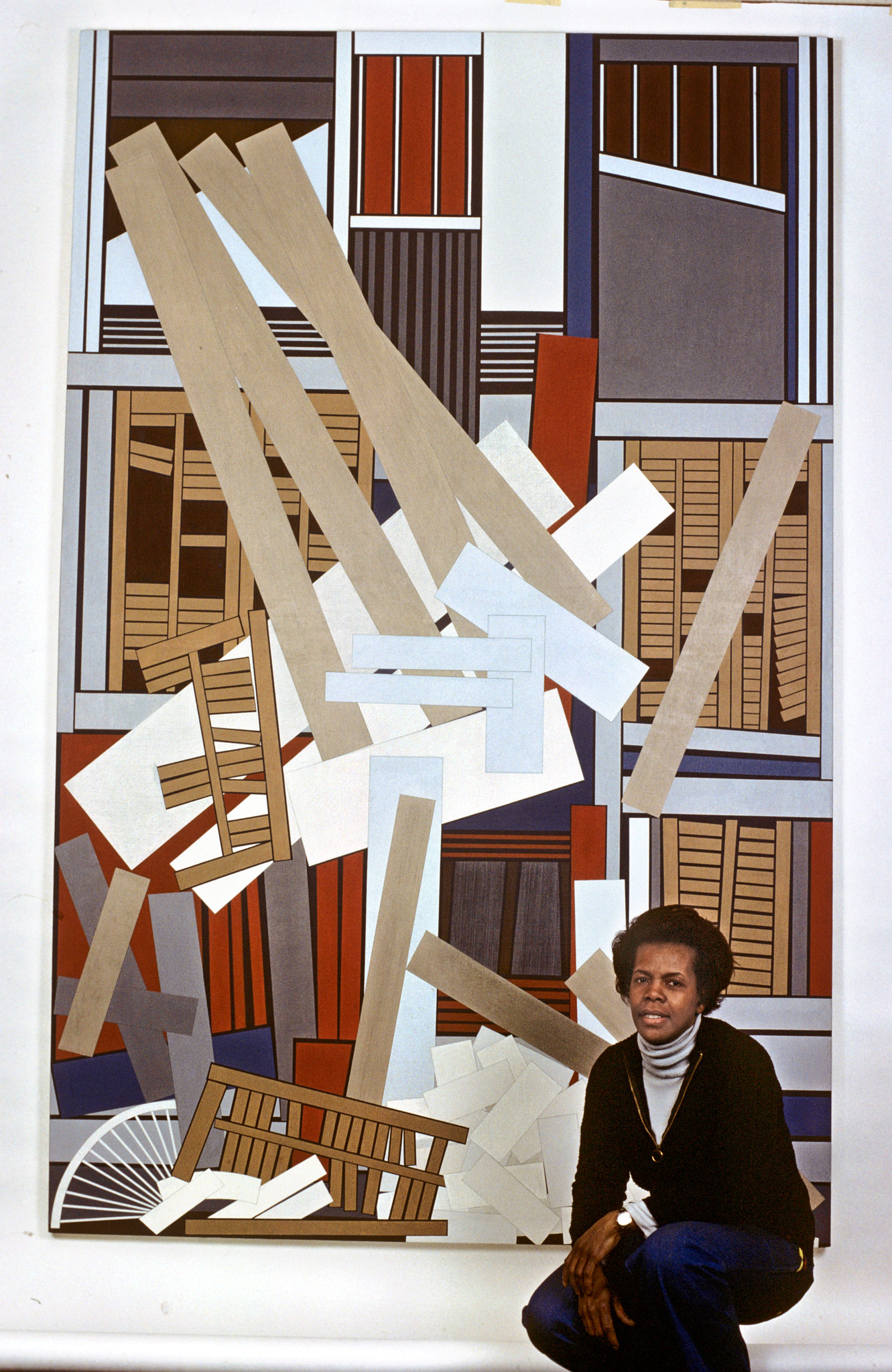
Courtesy of the artist
No items found.
Biography
Mavis Pusey (September 17, 1928 – April 20, 2019) was a Jamaican-American painter and printmaker known for her rigorous geometric abstractions that explored structure, rhythm, and spatial tension. Born in Retreat, Jamaica, Pusey moved to New York in the 1950s, where she became part of the vibrant postwar art scene. Her work developed in dialogue with modernist abstraction, yet remained deeply informed by her experiences navigating transnational identity and urban life.
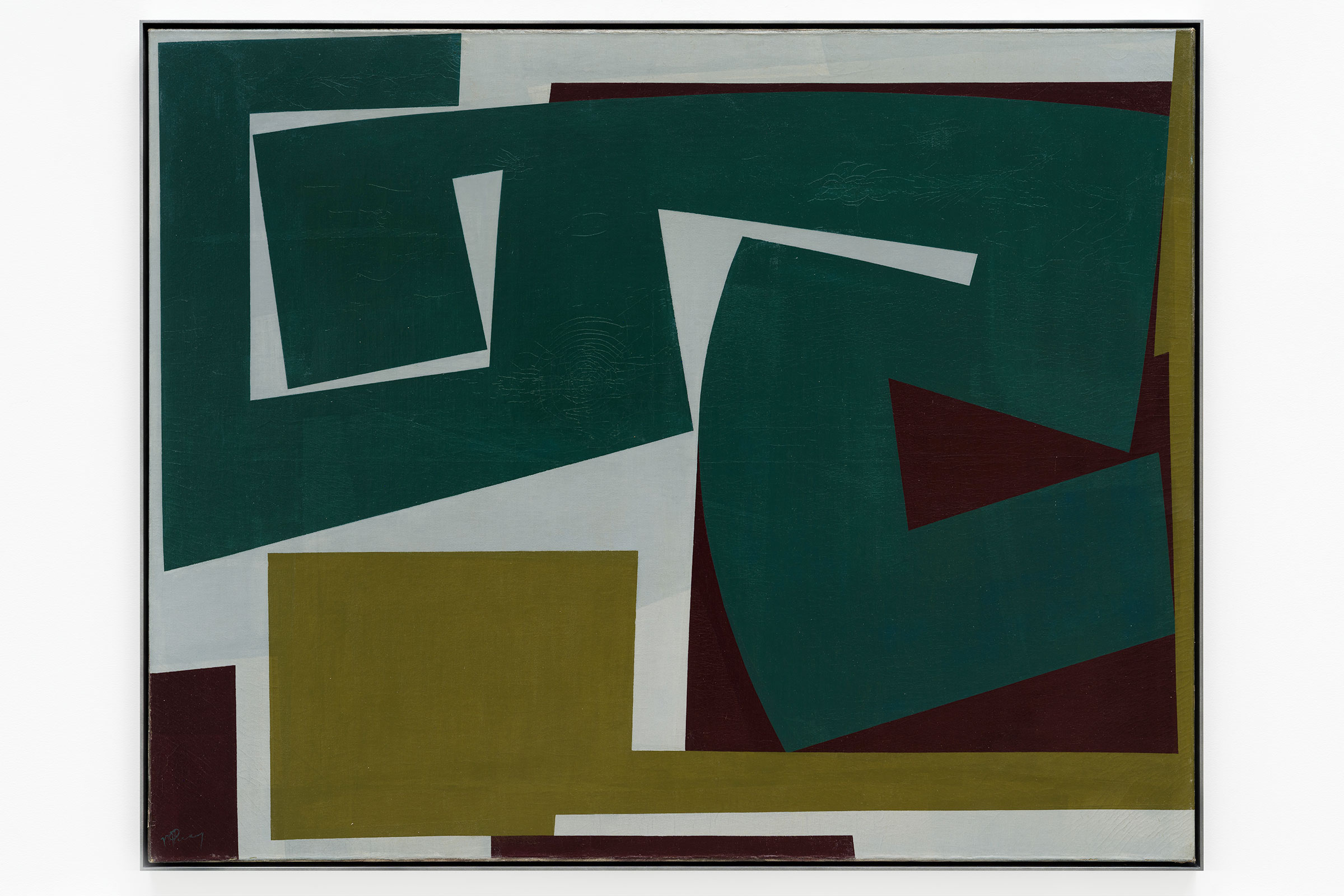
Pusey’s paintings often feature interlocking planes, grids, and architectural forms that evoke cityscapes, machinery, and the built environment. Through carefully calibrated color relationships and precise compositional structures, she created dynamic surfaces that balance movement with order. While her work engages the formal language of abstraction associated with artists such as Piet Mondrian and the Constructivists, Pusey reinterpreted these influences through a personal visual vocabulary grounded in rhythm and structure.
Throughout her career, Pusey worked across painting and printmaking, producing etchings and other graphic works that extended her investigations of geometry and spatial relationships. Despite contributing significantly to the development of postwar abstraction, her work was historically underrecognized within dominant narratives of modernism. In recent years, however, renewed scholarly and institutional attention has highlighted her role as an important figure within both Caribbean and American art histories.
Pusey exhibited widely during her lifetime, and her work is held in the collections of major museums. Today, she is increasingly recognized for her contributions to geometric abstraction and for expanding the presence of Caribbean-born artists within the broader history of modern art.
Birthday
September 17, 1928
N/A
Location
N/A
Show Support
Videos & Interviews
Artist Gallery
No items found.