
GET YOUR FREE
GUIDE HERE!
GUIDE HERE!

Benny Andrews

Courtesy of the artist
No items found.
Biography
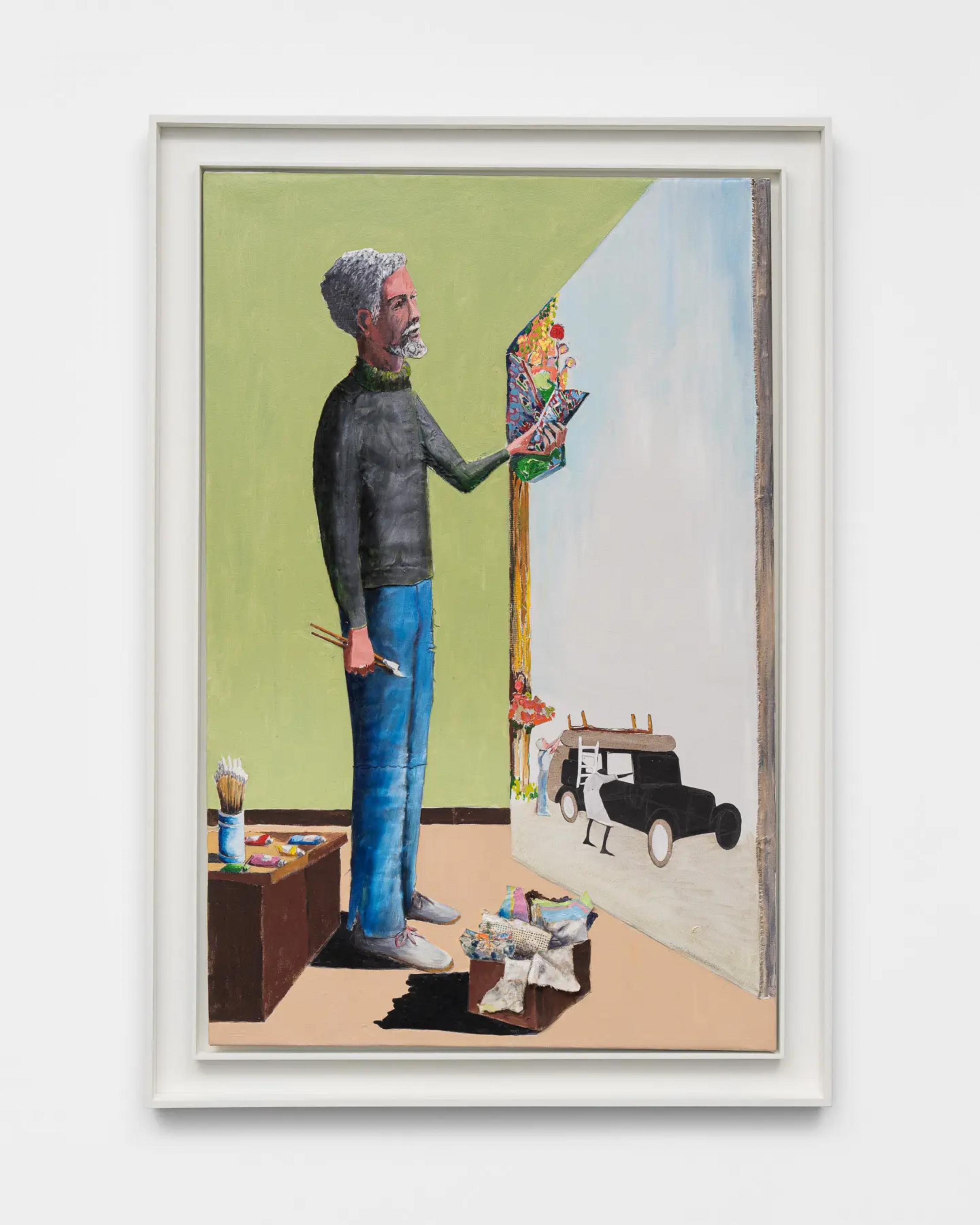
Benny Andrews (1930–2006) was an American painter, printmaker, and activist whose work explored the lives, struggles, and dignity of ordinary people. Born in rural Georgia to a family of sharecroppers, Andrews drew deeply from his upbringing in the segregated American South, developing a visual language that combined expressive figuration with collage and textured surfaces. After serving in the U.S. Air Force, he moved to New York in the late 1950s, where he studied at the School of the Art Institute of Chicago before establishing himself as a significant voice in postwar American art.
Throughout his career, Andrews used painting as a tool for social commentary, addressing themes of poverty, race, labor, incarceration, and civil rights. His compositions often depict workers, prisoners, families, and rural communities, rendered with emotional intensity and psychological depth. Andrews frequently incorporated fabric, paper, and other materials into his canvases, creating sculptural surfaces that emphasized the physical presence and humanity of his subjects.
In addition to his studio practice, Andrews was a tireless advocate for artists and cultural equity. In 1969, he co-founded the Black Emergency Cultural Coalition (BECC), an organization that challenged major museums in New York for their lack of representation of Black artists. He later directed the Visual Arts Program for the National Endowment for the Arts and established influential arts education initiatives, including programs bringing art instruction to incarcerated individuals.
Andrews’s work has been exhibited widely and is held in major museum collections across the United States. Today he is recognized as a crucial figure in American figurative painting whose practice merged artistic innovation with sustained political and community engagement.
Birthday
November 13, 1930
N/A
Location
N/A
Show Support
Videos & Interviews
Artist Gallery

.jpeg)
No items found.