GET YOUR FREE
GUIDE HERE!
GUIDE HERE!

Alvin Baltrop
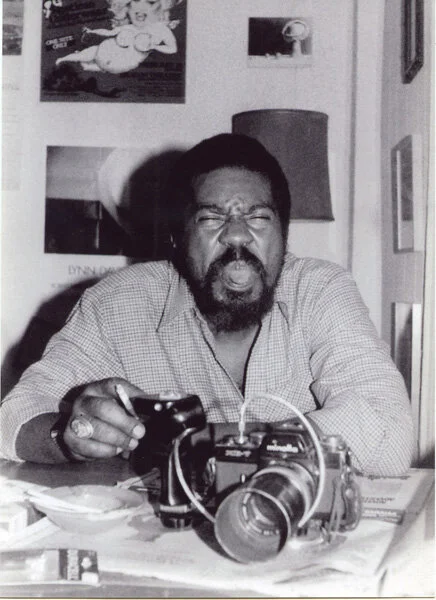
Courtesy of the artist
No items found.
Biography
Alvin Baltrop (born December 11, 1948, in the Bronx, New York City – died February 1, 2004) was an American photographer whose documentary practice explored queer social worlds, erotic freedom, urban abandonment, class, and the fragile forms of community that emerged along New York’s West Side piers in the 1970s and 1980s. Working primarily in black-and-white photography, Baltrop examined intimacy, vulnerability, sexuality, and survival through immersive observation, serial documentation, and a sustained proximity to the people and spaces he photographed.
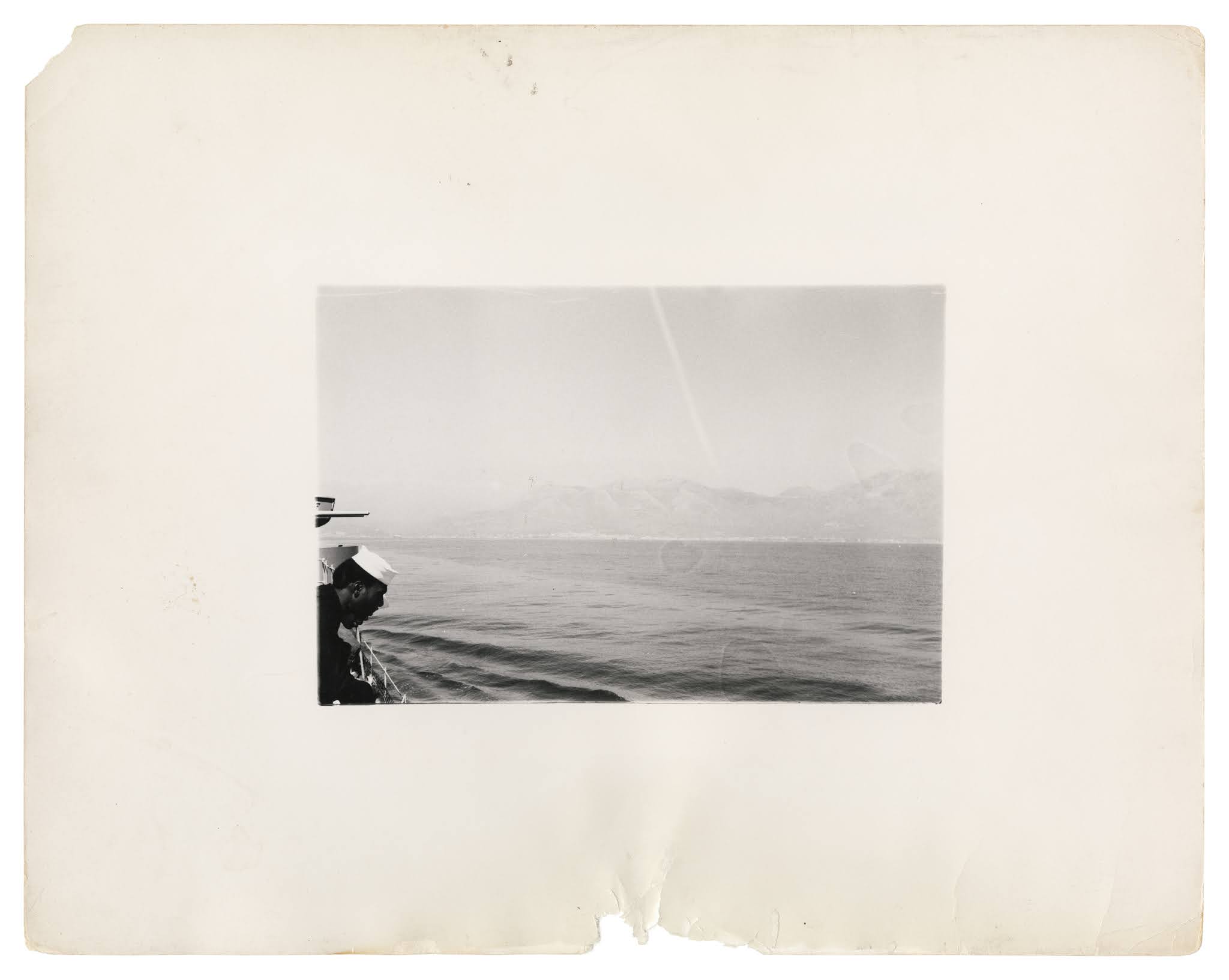
Baltrop studied photography at the School of Visual Arts in New York from 1973 to 1975. Before and during that period, he served in the Navy as a medic during the Vietnam War and continued photographing those around him. His work often engages queer history, social documentary, the archive, and urban landscape, using direct yet empathetic image-making to consider desire, marginality, bodily freedom, and the disappearance of spaces that once held underground gay life and artistic experimentation.
His work has been exhibited at the Bronx Museum of the Arts, the Museum of Modern Art, Galerie Buchholz, and Modern Art, London, and it has gained major posthumous recognition for its record of pre-AIDS queer life on Manhattan’s waterfront. Baltrop encountered rejection from the art establishment during his lifetime, but his photographs are now understood as vital to the histories of photography, queer New York, and Black visual culture. Alvin Baltrop lived and worked in New York City.
Birthday
December 11, 1948
N/A
Location
N/A
Show Support
Videos & Interviews
Artist Gallery
No items found.