

The Roof Garden Commission: Lauren Halsey
The Roof Garden Commission: Lauren Halsey, created a personal monument to Black lives and urban energy. Using 750 glass-fiber-reinforced concrete tiles, Halsey constructed a 22-foot-tall structure that resembles an Egyptian-style temple. Four large-scale sphinx statues with faces that are portraits of Halsey’s immediate family and her life partner stand as guardians, through which visitors can walk. The Metropolitan Museum of Art, 1000 Fifth Avenue , 82nd Street New York, NY. Runs through Oct. 22, 2023.
New York City, NY
North America


Projects: Tadáskía
"The exhibition, presented in collaboration with the Studio Museum in Harlem, will be the artist’s first solo presentation in the United States, and features MoMA’s recently acquired work alongside a monumental wall drawing and sculptures made in response to the site at MoMA. Projects: Tadáskía is organized by Thelma Golden, Director and Chief Curator, the Studio Museum in Harlem, and Ana Torok, the Sue and Eugene Mercy Jr.
Assistant Curator, Department of Drawings and Prints, MoMA, with the assistance of Kiki Teshome, Curatorial Assistant, the Studio Museum in Harlem." - Excerpt from Press Release.
New York City, NY
North America

In Jubilant Pastures
"Miles McEnery Gallery is pleased to announce In Jubilant Pastures, an exhibition of new paintings by Detroit-based artist Conrad Egyir, on view 5 September through 26 October. Accompanying the exhibition is a fully illustrated publication featuring an essay by Charles Moore.
In Jubilant Pastures, Conrad Egyir’s first solo exhibition with Miles McEnery Gallery, presents a body of eleven paintings that interrogate themes of identity and belongingness. Born in Ghana, Egyir’s exploration of self and others shines through, questioning what it means to assimilate to a new land while maintaining one’s roots. The deeply iconographic work combines religious symbols, Ghanaian visual lexicon, migration ephemera, and nods to Black contemporary and historical artists." -Press
New York City, NY
North America
The Brooklyn Artists Exhibition
"Spotlighting artists who have lived or maintained a studio in Brooklyn during the last five years (2019–24), The Brooklyn Artists Exhibition honors the borough’s dynamic present, storied past, and bright future. Selected by a committee led by esteemed artists Jeffrey Gibson, Vik Muniz, Mickalene Thomas, and Fred Tomaselli, participants represent a full range of disciplines, from drawing and painting to sculpture, video, installation, and beyond. Their creations tackle themes that resonate on both local and global levels—migration and memory, identity and history, uncertainty and turbulence, healing and joy. Together these works capture the vibrancy of both Brooklyn and its artists, who are bound by deep-rooted connections and a shared love of this singular place." -Press
New York City, NY
North America
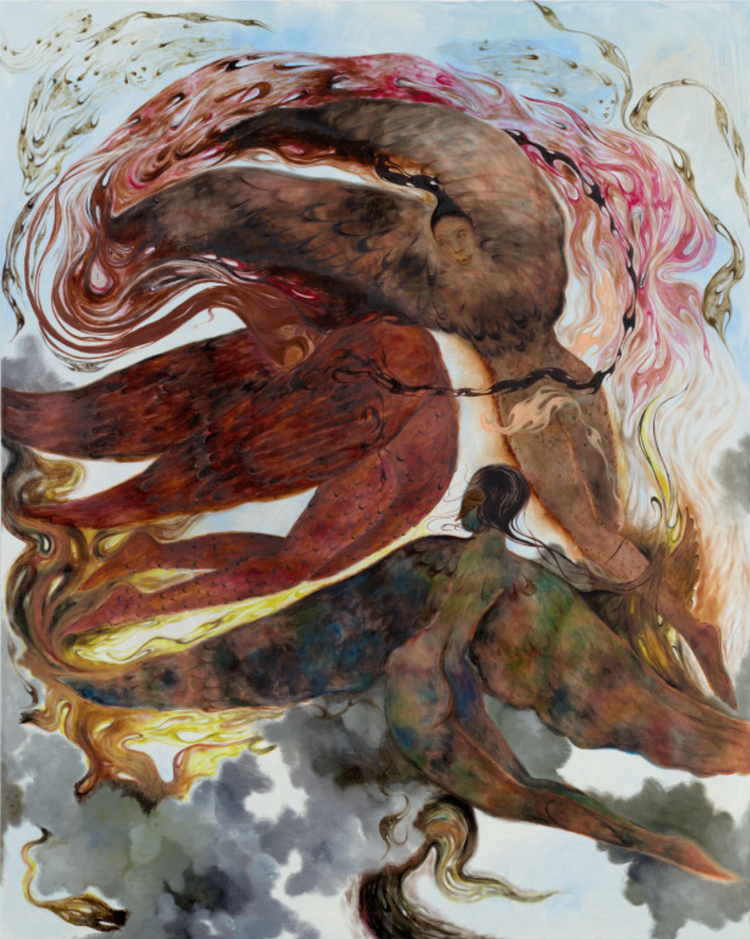
The Mythic Age
"Transformation is the central tenet of Naudline Pierre’s practice: evolution of the self, metamorphosis of the female form, escape from our earthly existence into the luminous unknown, and material oscillations from fresco-like dry brushing to aqueous gestures. Pierre paints scenes that are ever-shifting, in states of mystery and ecstatic potentiality. Her characters’ limbs and wings extend beyond the picture plane, as if to suggest that this atmospheric world, devoid of a horizon line, continues infinitely.
Pierre transforms and reinvigorates disparate art historical references that span centuries, pointedly looking back to artists who did not and could not imagine her as their viewer, yet share a desire to reinvent and reimagine the universe. In her newest works, Pierre references Baroque and French academic painting of the 1800s, which opened the door to modernity and the heretical embrace of iconography in the service of personal, political, and radical self-expression. She draws freely from this distinctly male, European legacy of image-making, forming an intergenerational line between artists of radically different backgrounds to refashion historical motifs for a new audience."
New York City, NY
North America

Amy Sherald: American Sublime @ the Whitney Museum of Art
"American Sublime, Sherald’s first solo exhibition at a New York museum, considers the powerful impact of her paintings on contemporary art and culture while positioning her squarely within the art historical tradition of American realism and figuration. In her intentional privileging of Black Americans as her subjects, she extends that tradition to include a population who has historically been omitted from portraiture and representation. Sherald has described her paintings of everyday people as a more expansive vision of interiority and selfhood." -Whitney Museum of Art (2024)
New York City, NY
North America

An Abstraction
"In An Abstraction", the artist’s 12 paintings and 13 drawings will hang within a monumental, site-specific architecture consisting of five black triangular forms. These sculptural walls will reorder the gallery into new, unexpected spaces and extend the visual language of the exhibited works.
Bringing together the artist’s Black Dada and Untitled (Days) bodies of work, the new paintings and drawings in the exhibition feature a variety of marks—spray painting, stenciled geometric forms, and expressionistic brushstrokes—
to blur distinctions between painting, drawing, and photography and propose painting as a documentary and performative act. Pendleton’s new Black Dada works imbue his iconic black and white compositions with focused and saturated colors. Each of the paintings and drawings in this body of work bears one or more typographic letters from the phrase
“BLACK DADA,” rendered in a sans serif font amid the artist’s gestural marks. Continually transposing and overwriting these two modes of inscription, Pendleton cultivates a living library of his own ever-evolving gestures
and processes." -Press Release Excerpt
New York City, NY
North America

Rashid Johnson: A Poem for Deep Thinkers
Titled after a poem by Amiri Baraka, "A Poem for Deep Thinkers" showcases Rashid Johnson's expansive body of work that interrogates cultural narratives and personal histories. The exhibition features nearly 90 pieces, including large-scale installations, paintings, and sculptures, many of which utilize materials rich in cultural significance, such as shea butter and black soap. Johnson's art navigates themes of identity, race, and history, offering a profound commentary on the African American experience.
New York City, NY
North America

Ghost Images
In "Ghost Images," Mitchell returns to his Southern roots, capturing the ethereal beauty and complex histories of Georgia's Jekyll and Cumberland Islands. Through images of serene beaches, weathered ruins, and veiled figures, he explores the lingering presence of the past in contemporary landscapes. Mitchell's innovative techniques, including printing on mirrors and fabric, challenge traditional perceptions of photography, inviting viewers to reflect on the layers of history and memory embedded within each scene.
New York City, NY
North America

Bodies of Water: Black Geographies and Maternal Legacies
In Bodies of Water: Black Geographies and Maternal Legacies, Debra Cartwright employs fluidity as both a visual and conceptual tool, weaving together themes of migration, birth, and caregiving. Her delicate yet powerful paintings depict Black female figures emerging from and dissolving into translucent waterscapes, symbolizing the movement of memory and heritage across time. Through archival research and personal reflections, Cartwright examines the waterways of Virginia as both physical landscapes and historical markers of Black survival. By embracing watercolor’s ephemeral qualities, her work embodies the ever-shifting boundaries of identity and place, reinforcing the resilience of Black maternal legacies.
New York City, NY
North America
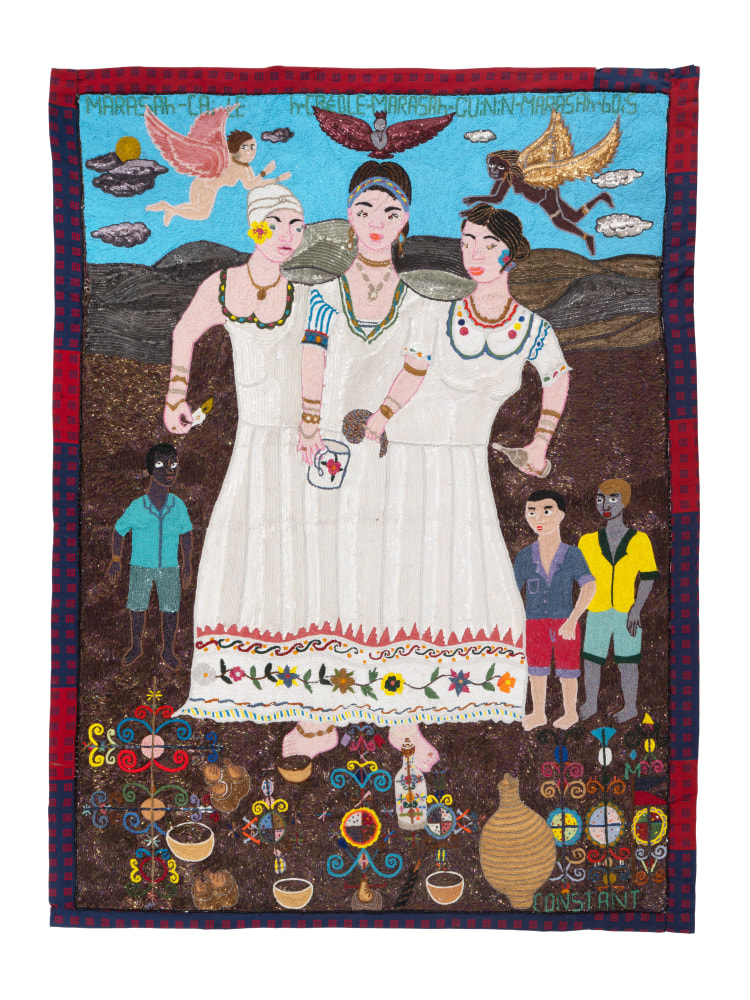
Myrlande Constant: The Spiritual World of Haiti
Myrlande Constant has revolutionized the traditionally male-dominated drapo Vodou art form by incorporating her expertise in tambour embroidery, learned during her time in the wedding dress industry. Her works, characterized by vibrant materials and textures, transcend conventional religious artifacts, positioning them within the global fine art sphere. Despite Haiti's current challenges, Constant's art serves as a testament to resilience and cultural pride, offering viewers a profound insight into the spiritual and communal facets of Haitian life.
New York City, NY
North America

Jack Whitten: The Messenger
From his experimental techniques to his deeply personal reflections on Black identity, Whitten’s work challenges and redefines the boundaries of contemporary art.Jack Whitten (1939–2018) was a relentless innovator who reshaped the language of abstraction over six decades. Beginning his career in the 1960s amid the Civil Rights Movement, Whitten moved away from gestural painting toward experimental techniques that merged sculptural and painterly processes. This exhibition showcases his transformative journey, from the textural, dragged-paint compositions of the 1970s to his mosaic-like acrylic paintings, which pay homage to Black cultural and political figures. Also included are Whitten’s sculptural works, many carved from wood and infused with historical and spiritual meaning. Jack Whitten: The Messenger highlights his legacy as an artist who continuously pushed the boundaries of materiality, memory, and form, offering profound reflections on history, identity, and technological change.
New York City, NY
North America
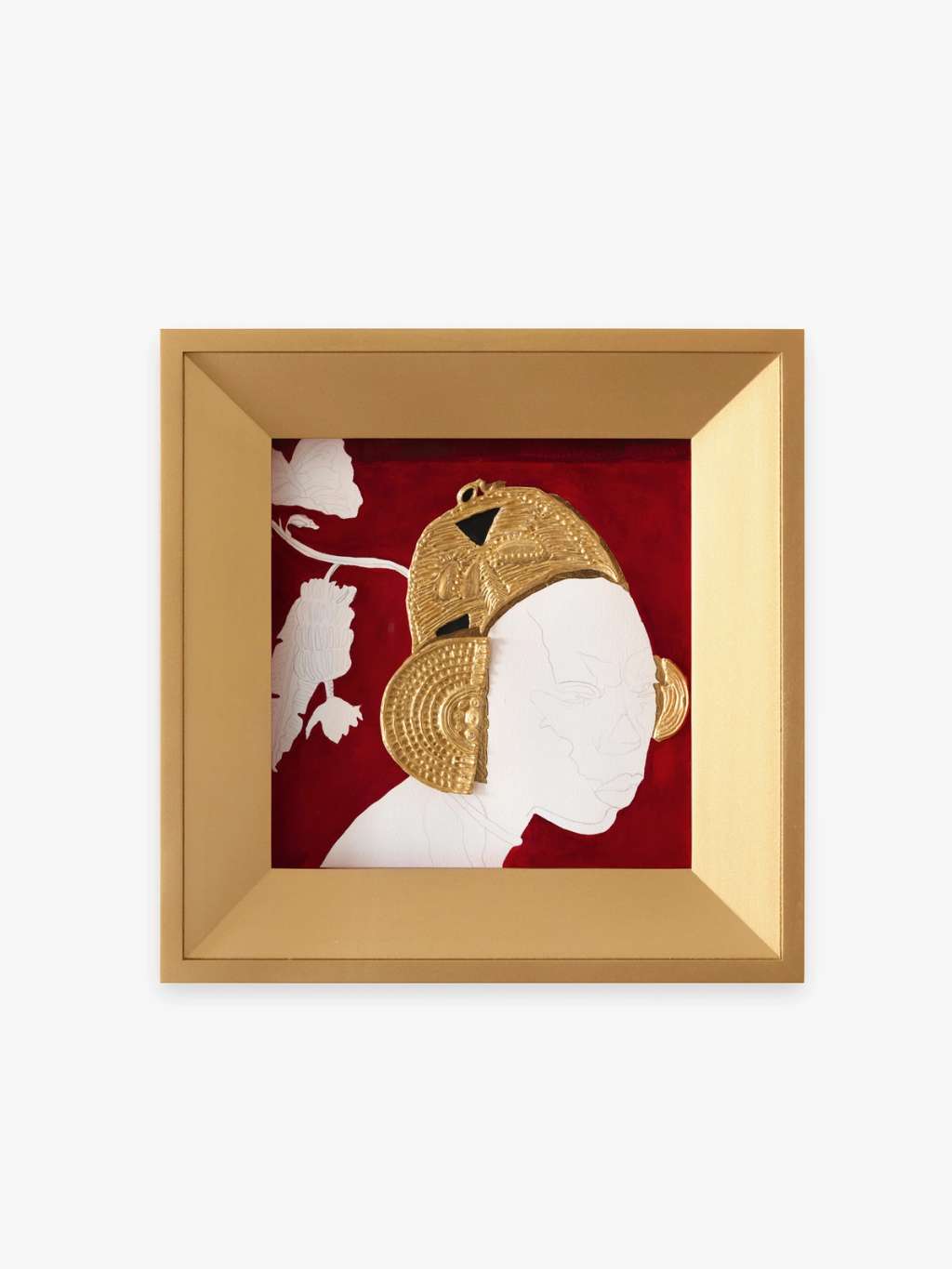
Lina Iris Viktor: Red Season
Liberian-British artist Lina Iris Viktor presents "Red Season," showcases Viktor's unique visual language that intertwines contemporary artistic expression with historical resonance, exploring themes of time, culture, and human experience. Her use of deep reds and burgundy hues taps into the archetypal significance of red, particularly inspired by the Dogon people of Mali, where the color is associated with femininity, transformation, and spirituality. Drawing on influences ranging from Babylonian cosmologies to Dogon architectural principles, Viktor's compositions incorporate ancient symbols and motifs, utilizing traditional materials such as 24-karat gold, jute fiber, banana yarn, and silk. Her limited palette, anchored by deep reds and rich burgundy hues, emphasizes the spiritual and cultural significance of these elements, reflecting her exploration of red, particularly rosso pompeiano or Pompeian red, and its historical and symbolic meanings. This exhibition continues Viktor's exploration of color symbolism and materiality, offering viewers a rich, immersive experience that bridges ancient traditions with contemporary artistic expression.
New York City, NY
North America
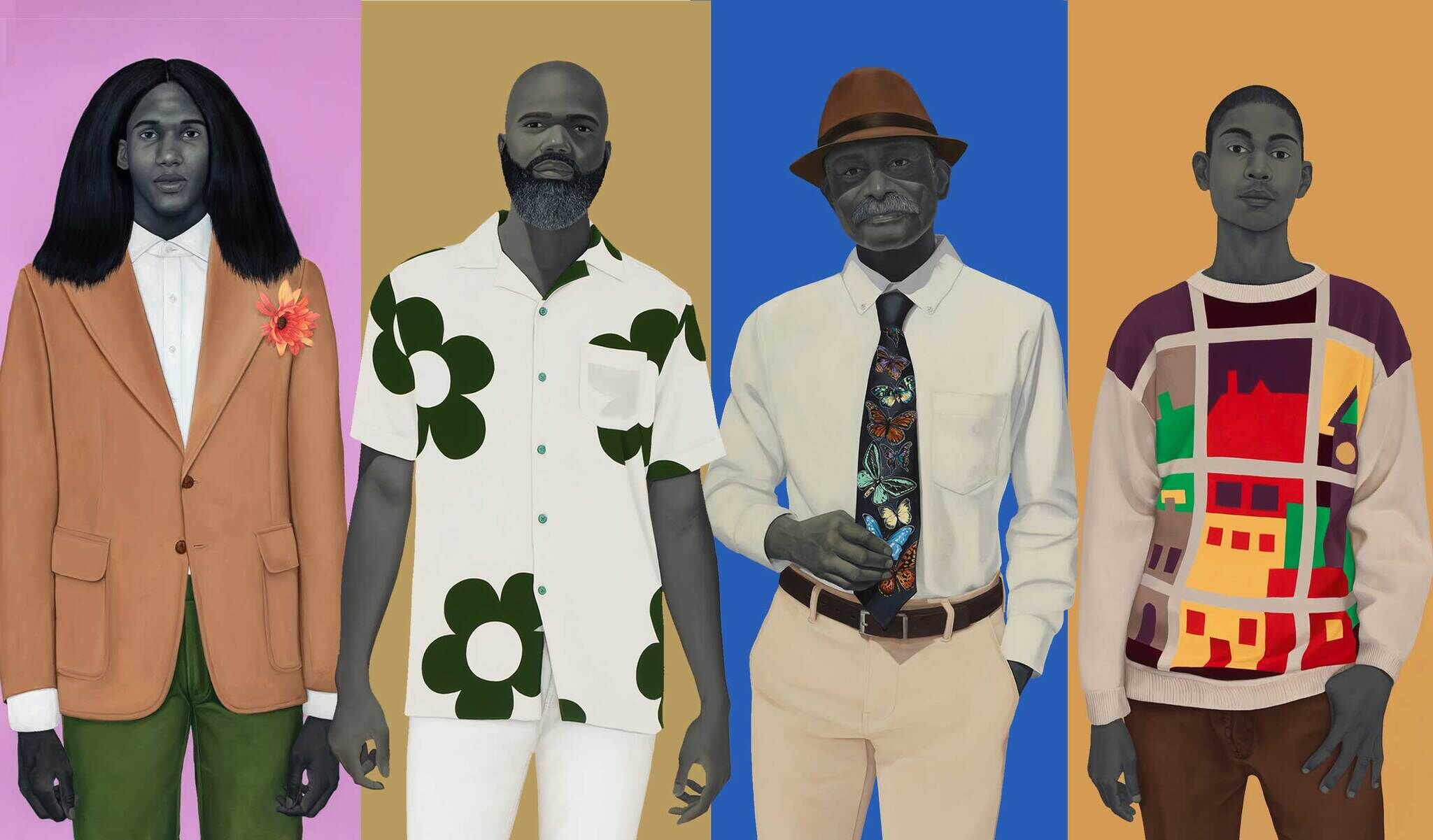
Amy Sherald: Four Ways of Being
Amy Sherald, celebrated for her intimate and psychologically rich portraits, presents Four Ways of Being, an exploration of the human experience through her unique visual language. This installation builds upon Sherald’s signature approach—monumental figures rendered in grayscale, set against bold, dreamlike color fields. Each of the four new paintings offers a distinct perspective on how individuals move through time and space, reflecting on themes of Black identity, self-possession, and cultural memory. Through this work, Sherald continues her commitment to challenging historical narratives and reimagining portraiture as a means of empowerment and storytelling.
New York City, NY
North America

Superfine: Tailoring Black Style
"Superfine: Tailoring Black Style" offers a comprehensive examination of Black dandyism, highlighting its role in the formation of Black identities within the Atlantic diaspora. Curated by Monica L. Miller, Professor and Chair of Africana Studies at Barnard College, the exhibition draws inspiration from her 2009 book, Slaves to Fashion: Black Dandyism and the Styling of Black Diasporic Identity. The term "dandy" historically refers to an individual, often a man, with an exceptional devotion to style, approaching fashion as a disciplined art form.
The exhibition traces the origins of Black dandyism to 18th-century Europe, where the Atlantic slave trade and burgeoning consumer culture led to the emergence of fashionably dressed Black servants. Over time, Black individuals harnessed dandyism as a means to challenge imposed identities, utilizing clothing, gesture, irony, and wit to envision new social and political possibilities.
Visitors will encounter a diverse array of media, including garments, accessories, drawings, prints, paintings, photographs, and film excerpts. The collection features works from historical figures to modern designers such as Pharrell Williams and Virgil Abloh, illustrating the evolution and global influence of Black dandyism. By showcasing these narratives, "Superfine" underscores the complex interplay of power, race, and fashion in the Black diaspora.
New York City, NY
North America
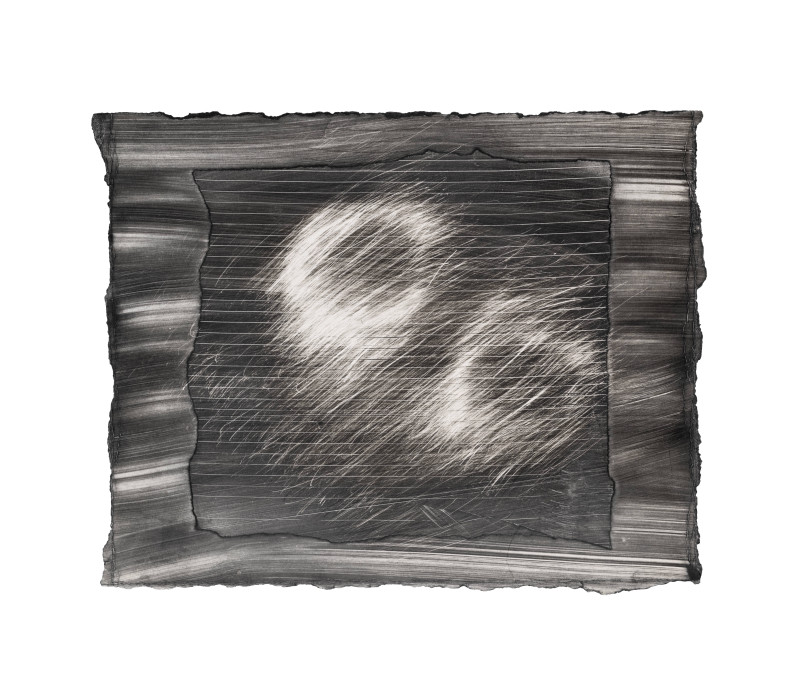
Jack Whitten @ Dia Beacon
In the 1970s, Jack Whitten transitioned from gestural abstraction to a more systematic approach in his art, focusing on process and experimentation. He began working on flat surfaces, utilizing custom-designed tools and materials to create images that minimized the artist's hand. Embracing contemporary technological language, Whitten described his new method as "developed" rather than "designed." This exhibition at Dia Beacon showcases a selection of these black-and-white works on paper, offering insight into the evolution of Whitten's artistic practice during this transformative period.
New York City, NY
North America
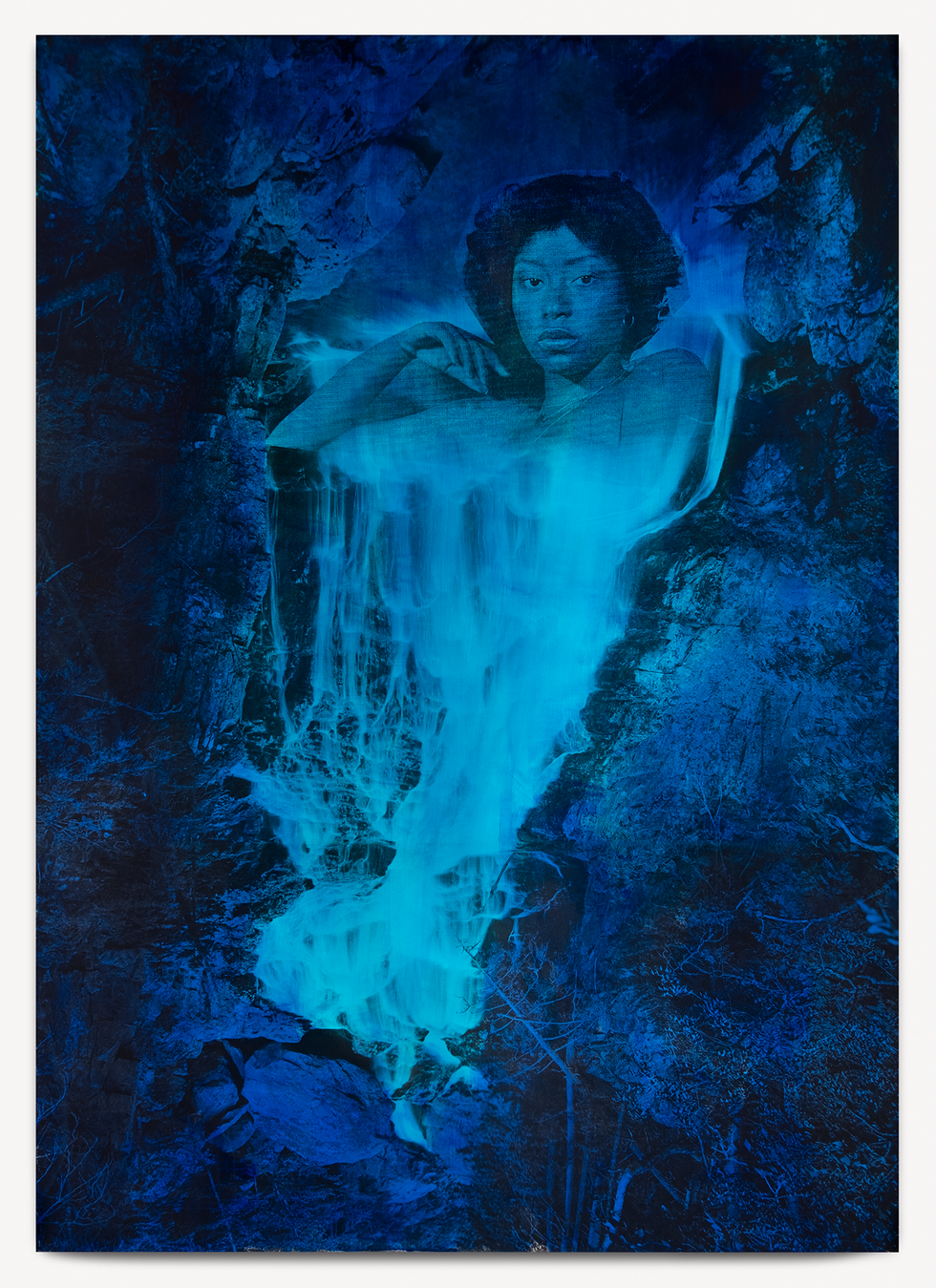
Lorna Simpson: Source Notes
Source Notes marks a significant moment in Lorna Simpson’s artistic journey, highlighting a decade of her painting practice that extends her incisive explorations of identity and representation. Transitioning from her pioneering conceptual photography of the 1980s, Simpson's recent works incorporate screen-printed collages using imagery sourced from vintage Ebony and Jet magazines, as well as archives from the Associated Press and the Library of Congress. These found images—her "source notes"—are layered with washes of ink and acrylic on materials like fiberglass, wood, and clayboard, creating compositions where figures emerge and dissolve within abstract landscapes.
New York City, NY
North America
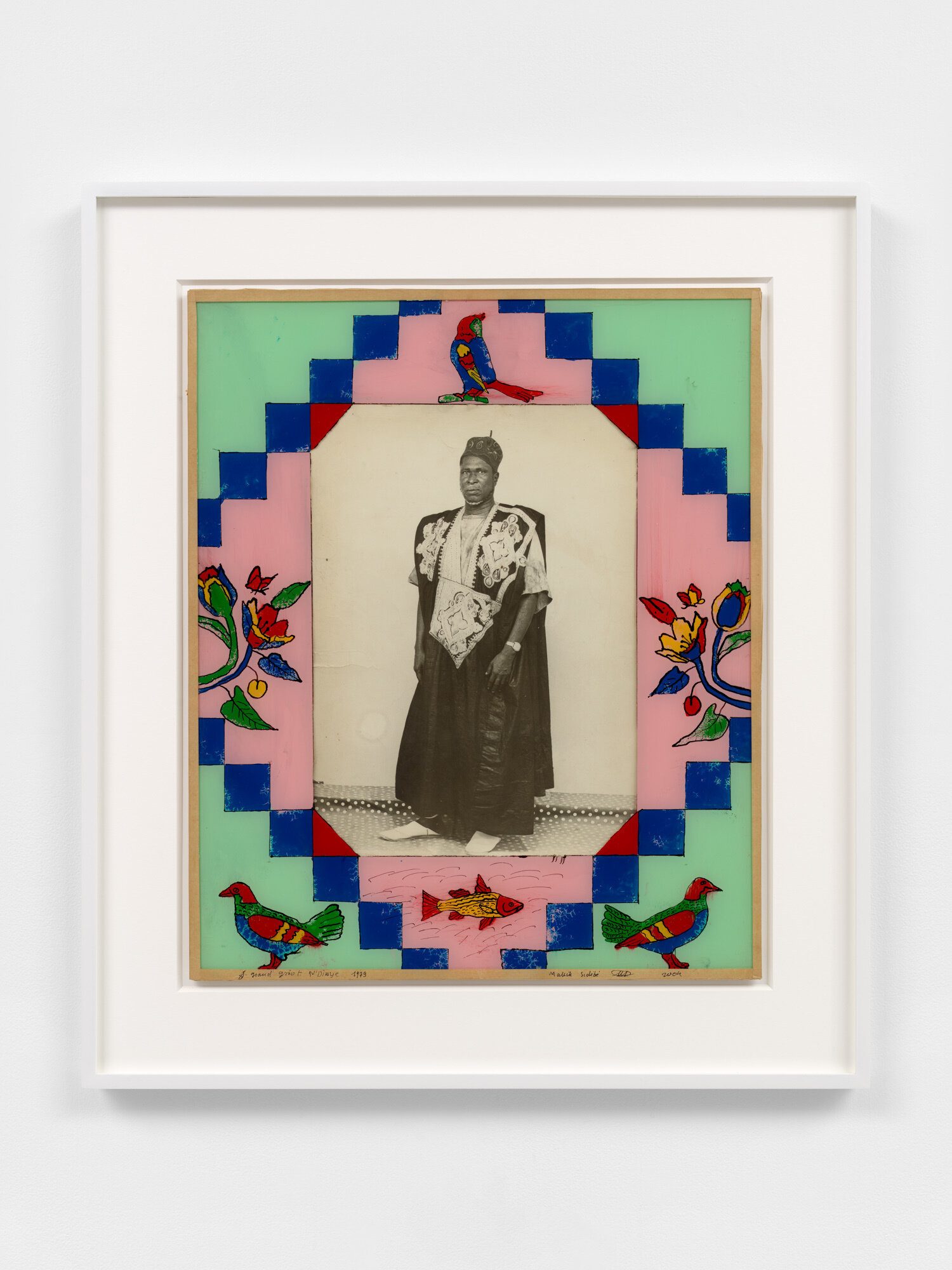
Malick Sidibé: Regardez-moi
Regardez-moi (“Look at Me”) offers an intimate glimpse into the vibrant social life of Bamako during the 1960s and 70s, a period marked by newfound freedom and cultural renaissance following Mali's independence. Malick Sidibé’s black-and-white photographs immortalize the spirited youth culture, from lively dance parties to serene riverbank gatherings, reflecting a society in the midst of redefining its identity and capturing the exuberance, identity, and cultural pride of a newly liberated Mali.
The exhibition highlights Sidibé’s Painted Frames series, where he collaborated with local Malian artists to encase his photographs in colorful, hand-painted glass frames. This fusion of photography and traditional art forms enhances the visual appeal and underscores the communal and artistic synergy prevalent in Malian culture. These works serve as a testament to the dynamic interplay between modernity and tradition.
New York City, NY
North America
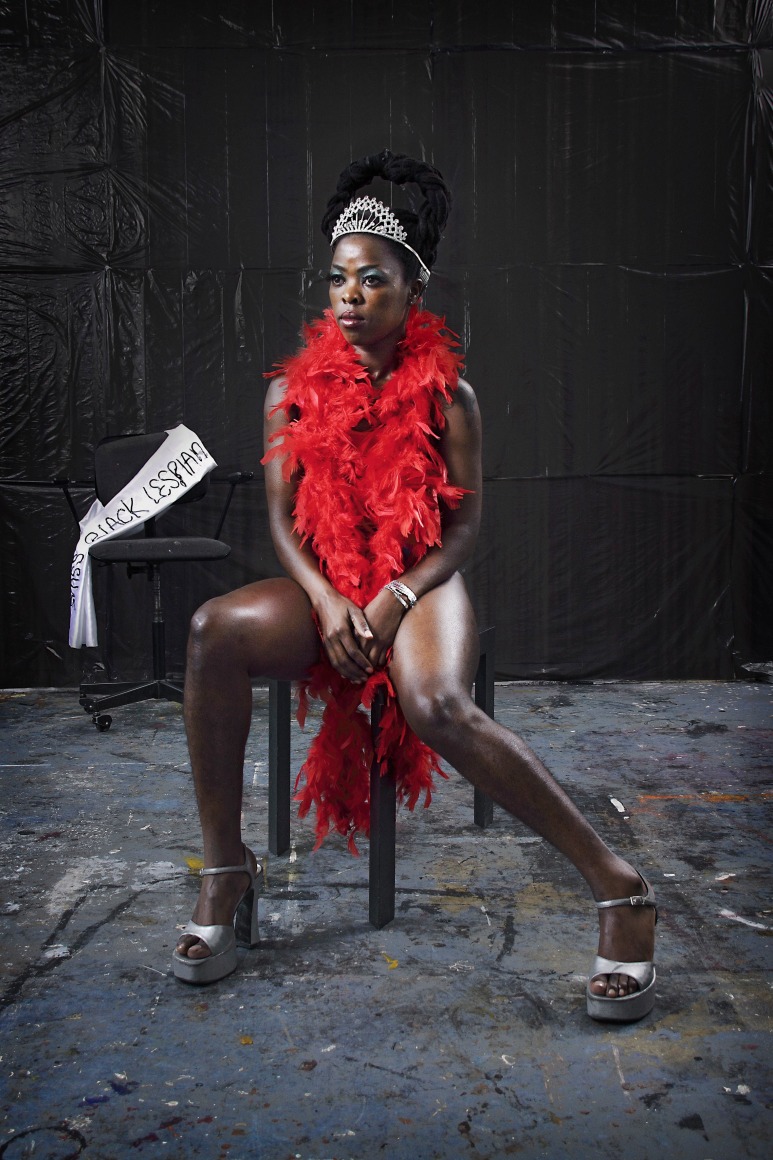
Zanele Muholi: Sawubona
Sawubona—a Zulu greeting meaning “I see you”—captures the essence of Muholi’s photographic practice: an insistence on recognition and dignity for Black queer and trans communities. The exhibition brings together selections from key series including Only Half the Picture, Being, Beulahs, and Faces and Phases, each documenting lived experiences of intimacy, gender expression, vulnerability, and strength. Through carefully staged and candid imagery, Muholi reclaims visual narratives often excluded from dominant cultural archives. Their portraits act as both personal testimony and political statement, inviting viewers to confront structures of erasure and inequality while offering space for empathy and connection. With a visual language that is direct yet deeply poetic, Muholi affirms Black queer life as both ordinary and extraordinary—deserving of recognition, memory, and reverence.
New York City, NY
North America
Carnival
Carnival at Jeffrey Deitch Gallery delves into the multifaceted world of carnival, presenting artworks that embody its celebratory essence and social commentary. The exhibition showcases pieces that range from the whimsical to the provocative, highlighting how carnival serves as a space for both joy and critical reflection. Through vibrant colors, dynamic forms, and interactive elements, the artists invite viewers to engage with themes of identity, community, and transformation inherent in carnival practices. The exhibition underscores the enduring influence of carnival on contemporary art and its role in challenging societal norms.
New York City, NY
North America
Ficciones Patógenas
The show interrogates colonial pathologizing—branding certain existences as “possession,” “deviant,” or “sick”—and examines how these narratives have persisted from 1492 to today. It draws inspiration from the 2018 book Ficciones Patógenas by Guaxu trans writer and artist Duen Neka’hen Sacchi, whose medical journeys echo systemic bodily control and colonial violence. Through hybrid visual practices, the artists propose new modes of resistance and reimagining of land, body, and knowledge ― aligning with the Mellon Foundation’s “Dispossessions in the Americas” initiative.
New York City, NY
North America
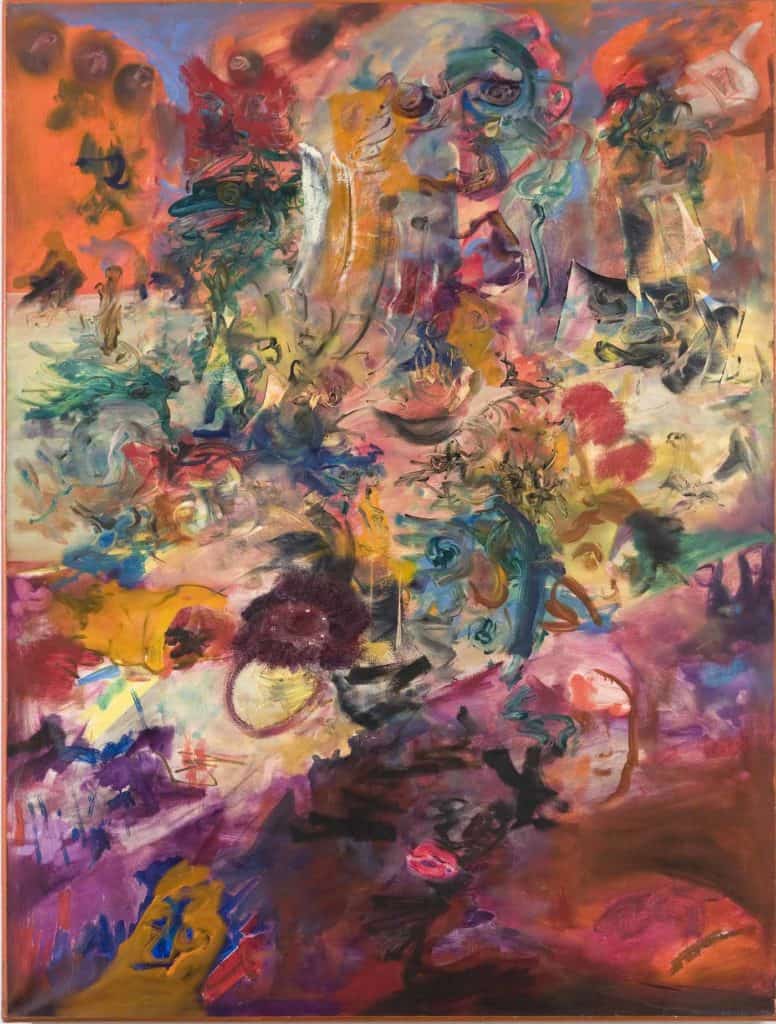
Jack Whitten at Dia Beacon
In the 1970s, Jack Whitten transitioned from gestural abstraction to a more systematic approach in his art, focusing on process and experimentation. He began working on flat surfaces, utilizing custom-designed tools and materials to create images that minimized the artist's hand. Embracing contemporary technological language, Whitten described his new method as "developed" rather than "designed." This exhibition at Dia Beacon showcases a selection of these black-and-white works on paper, offering insight into the evolution of Whitten's artistic practice during this transformative period.
New York City, NY
North America
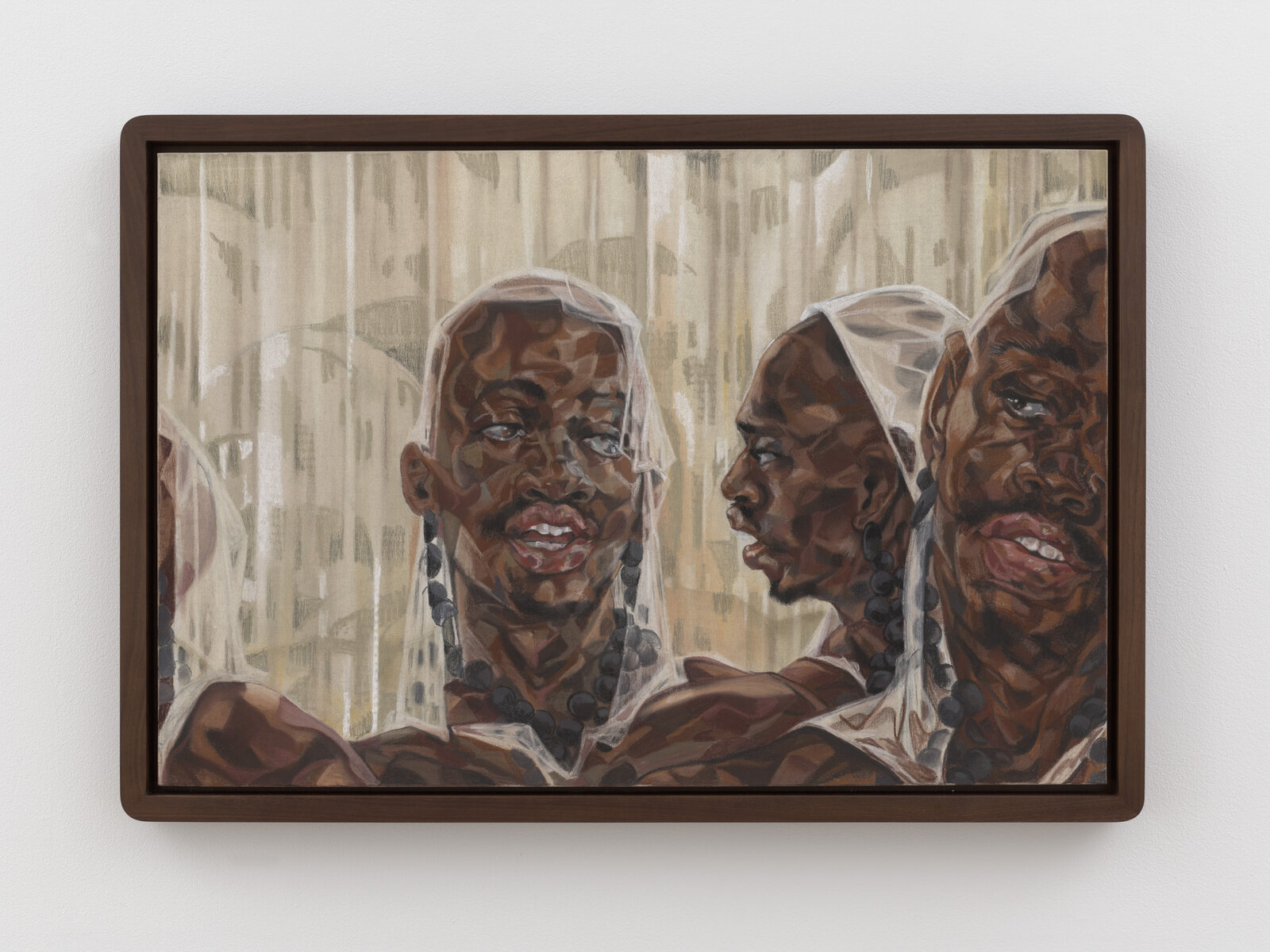
Ilé Oriaku
Organized by Jack Shainman Gallery, “Ilé Oriaku” centers on an imaginary Mbari house (a sacred Igbo ceremonial space) as a stage for narratives that process grief and cultural lineage in tribute to her late grandmother and uncle. Through charcoal, pastel, graphite, chalk, and colored pencil, the works blend intricate patterns, vibrant colors, and architectural fragments to evoke themes of language, spirituality, and ancestral memory. The exhibition presents figures in transition, gesturing, turning, veiling, suggesting a dialogue with the past, and includes moments like Nwanyeruwa (Aba Women’s Rebellion) and an immersive diptych that brings forth the artist’s familial voice.
New York City, NY
North America
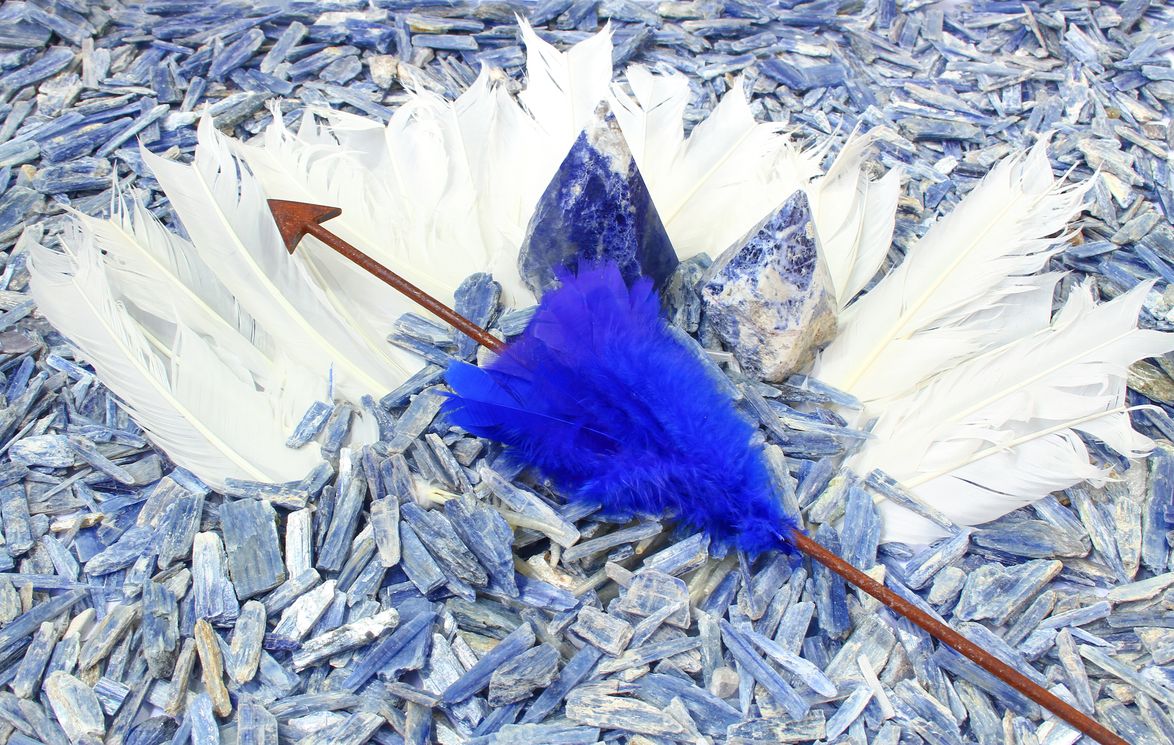
Luana Vitra - Amulets
As noted in a recent New York Times article by Siddhartha Mitter, she emphasizes the significance of iron in her life, stating, “What our ancestors lived inside the mines made us the way we are now.” Through her installations, Vitra seeks to forge a connection between humans and minerals, highlighting the narratives that lie within the earth. She encourages viewers to engage with the materials, recognizing their histories and the impact of human interaction with these natural resources. “The people in Minas Gerais,” she reflects, “were shaped by a legacy of watching out for others and forming survival strategies in mines where labor was exploited and collapses were frequent.
New York City, NY
North America
Gabrielle Goliath: Personal Accounts
Curated across MoMA PS1’s second floor, Personal Accounts articulates a sonic language of endurance, capturing the intimate nonverbal registers—breaths, laughter, sighs—of survivors from varied global contexts including Johannesburg and Kyiv. This intimate installation offers a poetic, visceral experience that disrupts conventional notions of representation and testimonial authenticity. Presented as a video and sound installation series created in collaboration with survivors, the work intentionally withholds narrative speech to honor the ineffable, cultivating a communal and empathetic encounter beyond words.
New York City, NY
North America
Sonia Gomes: Ó Abre Alas!
This exhibition showcases the evocative sculptural practice of Sonia Gomes (b. 1948, Minas Gerais, Brazil), who weaves together found objects, textiles, wood, wire, and thread to create richly textured assemblages. Her work invokes Afro-Brazilian traditions and personal narrative to explore resilience, transformation, and the beauty embedded within everyday materials. Across the galleries, a selection spanning her career highlights her intimate approach—stitching, binding, and weaving gifted and discarded materials into forms laden with cultural and personal meaning.
On Museum Hill, Gomes presents her first-ever outdoor installation in the United States: Ó Abre Alas!, a vibrant, rhythmically charged sculpture fabricated from paracord, fishing nets, and nautical ropes suspended from tree branches. The work echoes Carnival’s celebratory “lead float” (abre-alas) and evokes the spirit of communal creativity and transformation. Gomes describes her work as having “a conversation with nature,” where the setting itself becomes an active participant, the materials embodying the histories they carry.
Organized by Nora Lawrence (Executive Director, Storm King Art Center), Independent Curator Larry Ossei-Mensah, and Assistant Curator Adela Goldsmith, the exhibition runs May 7 through November 10, 2025, at Storm King Art Center, 1 Museum Rd, New Windsor, NY.
New York City, NY
North America
Mestre Didi: In Spiritual Form
The exhibition features Didi’s transformative sculptures alongside a richly illustrated catalogue that includes newly translated writings by the artist. Curated by Rodrigo Moura (Chief Curator), Ayrson Heráclito (Guest Curator), and Chloë Courtney (Curatorial Fellow), the show celebrates Didi’s legacy and his contributions to preserving Afro-Brazilian traditions. Related programming includes roundtable discussions and lectures on Afro-diasporic art and spirituality.
New York City, NY
North America
Tides of Being
Water in these works is both literal and metaphorical—it is the medium through which the human form is reshaped, mirrored, or submerged. The figures, mostly women known to the artist (friends, family, muses), are shown in states of movement, dance, or meditative stillness. The white (negative) space remains central, evoking openness, infinity, possibility; but now water intrudes into or emerges from that space, causing distortion and reflection. The paintings aim for a poetic blending of the self with the natural world, inviting viewers into liminal spaces between clarity and abstraction.
New York City, NY
North America
Geographic Bodies
Minaya’s Geographic Bodies features several interconnected series:
- Containers (2015-2020): women in full-bodied spandex suits printed with tropical flora, set in landscapes that seem natural but are often manipulated or artificial; the suits both camouflage and constrain.
- Cloaking (from 2019 onward): covering monuments (e.g. statues of colonial figures) with her own fabric designs, to intervene in public spaces and colonial memory.
Minaya uses camouflage and concealment not simply for aesthetics but to critique exoticization, visibility versus invisibility, colonial control over bodies and landscapes, and the tension of living under external projections.
New York City, NY
North America
Textile Truths: Faces of Resilience
In Textile Truths: Faces of Resilience, Afro-Caribbean American artist Kandy G. Lopez unveils a new body of work that explores the intimate connection between textiles and cultural identity. Spanning from large-scale multi-figure compositions like City Girls and City Boys to individual portraits, Lopez uses woven fiber as a language of dignity, solidarity and visibility. The exhibition frames textiles as both repository and visual archive of resilience, strength and collective memory. With precise technique and layered symbolism, Lopez blurs the boundaries between painting and craft to reclaim and celebrate the presence of communities historically overlooked in contemporary art.
New York City, NY
North America
Tom Lloyd at Studio Museum in Harlem
Tom Lloyd (1929-1996) was an artist, activist and community organizer whose innovative installations fused light, technology and form. In this exhibition, Lloyd’s early light sculptures—formed from Christmas tree bulbs, car-tail-light lenses and electronic components—are paired for the first time with archival materials documenting his activism (including his role in the Art Workers’ Coalition) and his founding of the Store Front Museum in Jamaica, Queens. The show presents his works on paper, reliefs and major light-sculpture installations, reconstructed and conserved for this presentation. The installation space evokes the architected vault of a chapel and highlights how Lloyd’s work reflected his Black community and cultural moment.
New York City, NY
North America
Sonia Boyce: Improvise with what we have
In Improvise with what we have, Boyce explores the dynamics of group presence and gesture through two major new film works. The first, Silent Disco (2025), captures dancers responding to music via headphones—rendering visible the invisible rhythms of performance, connection and listening. The second, Carmen (2025), traces the career of Guyanese-British actress Carmen Munroe, weaving personal narrative and Black British cultural legacy. Boyce expands these works into immersive installations: still frames from Silent Disco form kaleidoscopic wallpapers that wrap the gallery, erasing boundaries between image, environment and viewer. Her practice blurs media, ritual and participation—challenging conventions of authorship and representation.
New York City, NY
North America
A Harvest
In A Harvest, LaKela Brown transforms familiar and historically loaded materials—casts of currency, everyday objects, agricultural references, and symbolic motifs—into sculptural works that speak to extraction, inequity, and the lived experiences of Black communities. Through casting, assemblage, and repetition, Brown interrogates how objects accrue meaning across time, revealing the intersections of memory, value, labor, and social history. The exhibition considers how what is “harvested” from communities—whether labor, culture, or resources—shapes collective identity, resilience, and ongoing struggles for equity.
New York City, NY
North America
Dead Letter
Dead Letter is a solo exhibition by Jennifer Packer that emerges from sustained reflection on loss, memory, and the limits of representation. The exhibition is shaped by the passing of April Freely four years prior and by Packer’s ongoing effort to rebuild a practice profoundly indebted to Freely’s love, life, and work. Rather than attempting to render grief literally, Packer positions the exhibition as an acknowledgment of what art cannot fully contain. Dead Letter is on view at Sikkema Malloy Jenkins, 530 West 22nd Street, New York, NY, from October 18 through December 13, 2025.
New York City, NY
North America
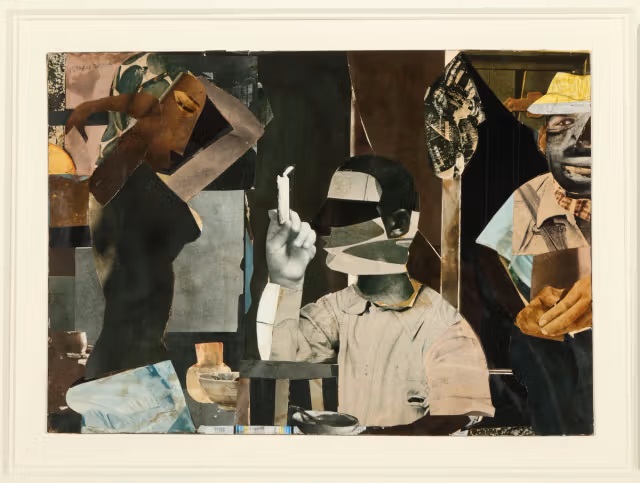
Continuum: Over 100 Years of Black Art
Continuum: Over 100 Years of Black Art presents a survey of work by African American artists that spans more than a century of artistic practice. The exhibition draws from paintings, drawings, and sculpture to explore themes of innovation, resilience, identity, representation, and artistic excellence within the broader history of American art. The presentation includes work by seminal figures and intergenerational voices whose contributions have shaped modern and contemporary art.
The exhibition underscores ACA Galleries’ historical legacy of presenting African American art — a tradition that dates back to the gallery’s founding in 1932 — and invites viewers to consider how artistic practices by Black artists have evolved, intersected, and sustained cultural narratives.
New York City, NY
North America
Late at night, early in the morning, at noon
late at night, early in the morning, at noon is conceived as a two-part presentation that examines how language dissolves into atmosphere and sensation through color and material process. The exhibition’s title is drawn from James Baldwin’s 1964 introduction to a Beauford Delaney exhibition in Paris, in which Baldwin reflects on light filtered through leaves and describes blue as a condition of perception—“as blue as the blues when the last light of sun departed.” For Ligon, this description becomes a conceptual framework for thinking about how color and language merge to form a kind of figuration.
In the front gallery at 18th Street, Ligon presents Blue (for JB), a new series of large-scale works on paper that build on ideas first explored in his Stranger paintings, which drew text from Baldwin’s 1953 essay Stranger in the Village. For this new body of work, Ligon begins with rubbings made on thin sheets of Japanese kozo paper placed atop earlier studies. These rubbings capture fragments of words and shapes, recording moments where text and image converge. Ligon enlarges the rubbings as silkscreens on blue grounds and applies water to the surface, allowing ink to flow and blur. The resulting compositions oscillate between legibility and abstraction, transforming Baldwin’s words into atmospheric fields of light, mood, and emotion.
New York City, NY
North America
.jpeg)
From Now: A Collection in Context
This exhibition recontextualizes key works from the Studio Museum’s collection to explore identity, history, abstraction, figuration, and Black cultural production. Through rotating installations and curatorial framing, the exhibition reflects the museum’s long-standing commitment to artists of the African diaspora while engaging present-day artistic discourse.
New York City, NY
North America
Sixties Surreal
Sixties Surreal investigates the ways artists working in the United States during the 1960s engaged with and reimagined surrealist strategies. Emerging at a moment defined by civil rights activism, countercultural movements, and rapid technological change, many artists turned to dream imagery, symbolic distortion, and unconventional narratives as tools for questioning dominant social structures.
Through painting, sculpture, film, photography, and installation, the exhibition traces how surrealist ideas—originally developed in Europe earlier in the twentieth century—were reinterpreted by artists confronting the anxieties and possibilities of the 1960s. Rather than simply reviving historical surrealism, these artists expanded its language, blending humor, political critique, and psychological exploration.
Presented by the Whitney Museum of American Art, Sixties Surreal situates this moment within a broader art-historical conversation about imagination as a form of resistance. The exhibition runs through January 19, 2026 at the Whitney Museum in New York.
New York City, NY
North America
Ideas of Africa: Portraiture and Political Imagination
Ideas of Africa: Portraiture and Political Imagination brings together works that investigate how Africa has been represented through portraiture and how artists have engaged, resisted, and redefined these representations over time. The exhibition considers portraiture not simply as depiction, but as a political and imaginative act—one that constructs narratives about identity, belonging, and authority.
Spanning historical and contemporary works, the exhibition highlights how artists across different periods and geographies have addressed colonial legacies, cultural memory, and the complexities of diasporic identity. Through painting, photography, sculpture, and mixed media, the works on view challenge fixed or monolithic conceptions of Africa, instead presenting a multiplicity of perspectives shaped by lived experience, migration, and global exchange.
Presented by the Museum of Modern Art, Ideas of Africa situates portraiture as a site of negotiation between self-representation and external perception. The exhibition invites viewers to consider how images produce meaning and how artistic practices can reframe dominant narratives. The exhibition runs through July 25, 2026, in New York.
New York City, NY
North America
Shadowland
Shadowland presents a multi-layered body of work by Odili Donald Odita that considers the relationship between abstraction, history, and identity. The exhibition brings together three interconnected strands of the artist’s practice—current paintings, earlier photo-based works, and inherited artistic influences—forming a cohesive exploration of how visual language can reflect and challenge structures of power.
Odita’s vibrant, geometric abstractions are characterized by interlocking planes of color that resist fixed hierarchies, encouraging movement across the surface. These compositions create dynamic visual fields where light, shadow, and color interact, suggesting both tension and harmony. The concept of the “shadowland” evokes spaces shaped by both oppression and possibility—sites where darkness can signify both concealment and resistance.
The exhibition also includes works from Odita’s Black Album series, which draws from found images and mass media to examine the construction of racial identity and the persistence of stereotypes. Through digital manipulation and recontextualization, these works reveal underlying narratives embedded in everyday imagery, highlighting how visual culture participates in shaping perceptions of race and identity.
A significant aspect of Shadowland is the inclusion of works by Odita’s father, Dr. Okechukwu Emmanuel Odita, a Nigerian artist, scholar, and member of the Zaria Rebels. His paintings provide historical context for Odita’s practice, linking contemporary abstraction to earlier movements that challenged Eurocentric frameworks and asserted the importance of African artistic traditions. This intergenerational dialogue underscores the role of art as both personal inheritance and political expression.
Presented by David Kordansky Gallery, Shadowland positions abstraction as an expansive and evolving language—one that can carry memory, critique, and possibility across time and place. The exhibition runs through February 28, 2026, in New York.
New York City, NY
North America
Akinsanya Kambon: Soul Sessions
Akinsanya Kambon: Soul Sessions presents work by Akinsanya Kambon, an artist, educator, and organizer whose practice spans sculpture, assemblage, and mixed-media forms. Organized as a two-venue collaboration between the Center for Art, Research and Alliances and SculptureCenter, the exhibition is described as the first survey of Kambon’s work in New York City.
At CARA, public programs are described as extending the ethos of the “soul session” through walkthroughs with historians and organizers, using the exhibition as an entry point into study of the Black Panther Party, Pan-African devotional practices, and the Vietnam War. That framing suggests the exhibition connects Kambon’s materials and forms to broader political, historical, and communal struggles. Center for Art, Research and Alliances (CARA), 225 West 13th Street, New York, NY 10011, and SculptureCenter, 44–19 Purves Street, Long Island City, NY 11101. Runs May 28 - August 16, 2026.
New York City, NY
North America
The Gift of Tongues
Sanford Biggers | The Gift of Tongues features new work by Sanford Biggers, whose multidisciplinary practice spans painting, sculpture, film, collage, performance, and music. The exhibition brings together works from his Codex, Chimera, and Shimmer series, using antique quilts, marble, sequins, painted surfaces, and installation to reconsider entrenched myths and cultural narratives. Marianne Boesky Gallery, 507 West 24th Street, New York, NY 10011. Runs April 30, 2026 — June 13, 2026.
For this exhibition, Biggers transforms the gallery into a theatrical labyrinth of curtains, false walls, wallpaper fragments, and carefully staged sightlines. Within that environment, hybrid sculptural figures and quilt-based works create a shifting visual language shaped by African sculptural traditions, classical and neoclassical forms, Americana, and coded Black histories.
Antique quilts play a central role in the exhibition, continuing a material thread Biggers has developed for years. In the Codex works, quilts function as layered supports that retain traces of earlier makers while receiving new painted and collaged interventions; in the marble Chimera sculptures, classical fragments are fused with African references to unsettle assumptions about historical power, form, and meaning. Across the exhibition, recurring cloud motifs and theatrical staging keep symbols open, unstable, and available for reinterpretation.
New York City, NY
North America
Danielle McKinney | Forest for the Trees
Danielle Mckinney | Forest for the Trees features new paintings and watercolors by Danielle Mckinney, an artist known for cinematic portraits of women in dreamlike domestic interiors. Working in oil on linen and watercolor on paper, Mckinney depicts solitary female protagonists reclining, reading, smoking, and resting in intimate interior spaces that hold both comfort and unease. Boesky Gallery, 509 West 24th Street, New York, NY 10011. May 7, 2026 — Runs through June 13, 2026.
The press release describes these new works as marking a subtle shift in Mckinney’s figure-ground relationship. Her figures become looser and less defined, at times dissolving into their surroundings, while the rooms themselves become more articulated through chandeliers, lamps, modernist furniture, floral pillows, and bright blooms. This formal change reflects a period of personal and collective turmoil during which the paintings were made, with domestic space functioning less as polished stage set than as refuge.
Alongside ten new paintings, the exhibition includes a suite of watercolors shown for the first time in New York. In these works, Mckinney uses a pared-down, fluid gesture to render graceful figures against stark white grounds, extending the exhibition’s meditation on uncertainty, introspection, and the possibility of being held within fragile interior worlds.
New York City, NY
North America
Benny Andrews Migrants
Benny Andrews: Migrants presents work by Benny Andrews from The Migrant Series, the artist’s final body of work, created between 2004 and 2006. Working across painting, drawing, and collage, Andrews used his signature rough collage technique, incorporating textile fragments, thread, and repurposed painted canvas into compositions that foreground the human experience of migration. Michael Rosenfeld Gallery, 100 Eleventh Avenue @ 19th, New York, NY 10011. April 18, 2026 — Runs through August 7, 2026.
The exhibition traces three historical migration routes connected to Andrews’s own Black, White, and Cherokee ancestry: the Great Migration, the Dust Bowl exodus, and the Trail of Tears. The gallery frames the series as a study of hardship, oppression, racism, strength, and hope, emphasizing Andrews’s humanist approach to history and his interest in using the past to speak to the present.
Selected works on the exhibition page include oil on canvas with painted fabric collage, joined-canvas works with cord, and pen, ink, and graphite drawings, underscoring the series’ movement between intimate works on paper and large-scale narrative compositions.
New York City, NY
Ficre Ghebreyesus: Color is Supreme
Ficre Ghebreyesus: Color is Supreme presented work by Ficre Ghebreyesus, the late Eritrean American artist whose practice moved between abstraction and figuration through rhythmically structured compositions and vivid color. The exhibition included paintings alongside photographs, ephemera, and pastels drawn from recent discoveries in the artist’s archive, offering a more expansive view of how memory, music, geometry, and everyday life shaped his art. Galerie Lelong, 528 West 26th Street, New York, NY 10001. April 2, 2026 — Runs through May 9, 2026.
The gallery notes that the title comes from Ghebreyesus’s personal writing as an homage to John Coltrane’s A Love Supreme. Across the exhibition, his paintings connect color-blocking, geometric pattern, and subtle figuration, while photographs from the 1990s made during his return to Eritrea to teach in a war zone were shown publicly for the first time since 1997.
The presentation also emphasized the artist’s wider life as a painter, activist, restaurateur, and writer. By bringing together notebooks, studies, archival material, and finished works, Color is Supreme framed Ghebreyesus’s practice as one in which music, image, memory, and political history remain deeply interconnected.
New York City, NY
North America
The Armory Show
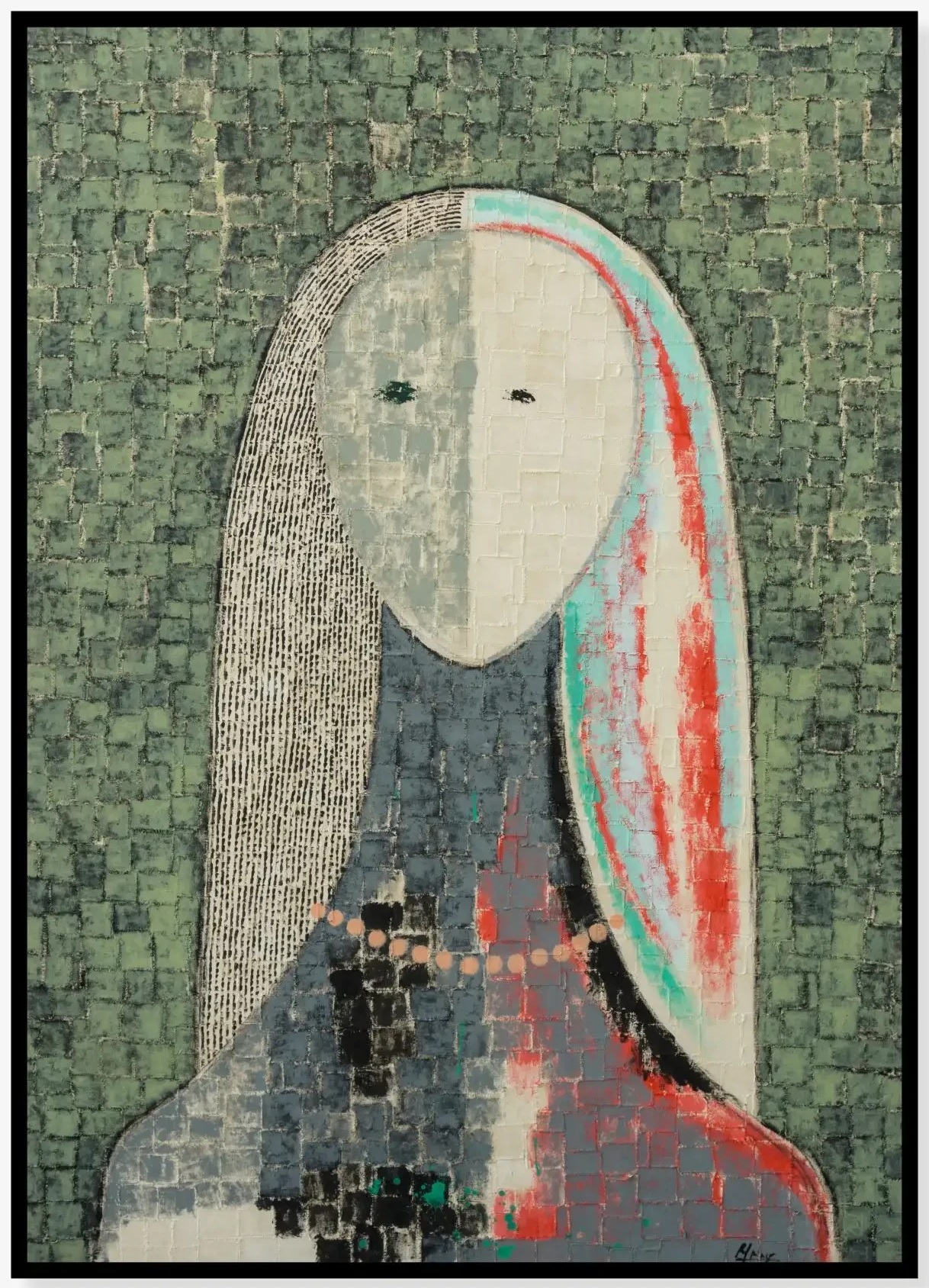
The Armory Show 2025 brought together leading international contemporary and modern art galleries at New York’s Javits Center. El Apartamento participated with a focused presentation of works by Roberto Diago, including paintings from his Soroa series and sculptural works from Hombres libres, as well as Altar del Hombre. Diago’s presentation explored themes of identity, history, freedom, memory, and the Black experience through mixed-media painting, sculpture, and installation. The fair took place September 5–7, 2025, with a VIP preview on September 4.
New York City, NY
North America

Odili Donald Odita: Songs from Life
Odita’s largest commission to date brings together abstraction, music, African and African American textile traditions, and references to his Nigerian heritage. Executed in flat acrylic latex paint, the installation creates a cascading, immersive environment of geometric forms and bright colors. Each section is connected to music that influenced Odita, emphasizing themes of freedom, change, community, and the human experience.
New York City, NY
North America