

THE POETICS OF SPACE
New work by Ruby Onyinyechi Amanze entitled The Poetics of Space will be presented in a solo exhibition. She has designed the frames and plinths, in desire to emulate her interest in an architectural dimension, beyond the paper and plane. Mariane Ibrahim Paris, 18 Av. Matignon, 75008 Paris, France. On view from September 1 to Oct. 7, 2023.
Paris, France
Europe


Ubiquity
Drew’s second exhibition at Galerie Lelong, Paris, will highlight a new site-responsive explosion installation and a series of “core” works that include glass and painted plaster. Each new material offers Drew a new canvas of possibility of reinvention and extension and at the same time, the re-purposing of materials gives them new energy and meaning. Drew adapted the site responsive explosion to reflect Lelong’s historic 18th century environment. “The adaptability of the work is the life of the work,” says Drew, and the relationship and reinvention of the sculpture to site is a challenge he accepts.
Paris, France
Europe

The Narratives of Black Hair
"The exhibition explores different narratives, historical and present, about Black hair through the works of Nakeya Brown, Shani Crowe, Marius Dansou, Meschac Gaba, Romuald Hazoumè, Taiye Idahor, Favour Jonathan, Murielle Kabile, Alassane Koné, Althea Murphy-Price, J. D 'Okhai Ojeikere, Anya Paintsil, Ngozi Ajah Schommers and Ana Silva, to highlight the cultural heritage and spirituality associated with it."
Paris, France
Europe

Black Paris
Paris Noir delves into the vibrant and cosmopolitan art scene of Paris, emphasizing the city's role as a hub for artistic innovation and anti-colonial discourse. The exhibition traces the evolution of Black artistic presence in France, from the inception of the Présence Africaine review to the establishment of Revue Noire. Visitors will encounter a diverse array of artistic practices, including Afro-Atlantic abstractions, surrealism, and free figuration, underscoring the pivotal role of artists of African descent in redefining modernisms and postmodernisms. Contemporary installations by Valérie John, Nathalie Leroy Fiévee, Jay Ramier, and Shuck One provide modern perspectives, enriching the historical narrative.
Paris, France
Europe

Lorraine O’Grady
This exhibition marks Lorraine O’Grady’s first solo presentation in Paris and her second with Mariane Ibrahim Gallery. It celebrates the artist's profound legacy following her passing in December 2024. The exhibition features works from 1981 to 2021, highlighting O’Grady’s innovative use of performance and persona to interrogate themes of race, gender, and colonialism. Central to the show is Rivers, First Draft (1982), a performance piece that weaves together Caribbean and New England heritages through a "collage-in-space" format. O’Grady’s approach, influenced by surrealism and literary traditions, advocates for an anti-hierarchical view of identity, embracing multiplicity and complexity.
Paris, France
Europe

Boesky in Paris
This intimate exhibition brings together a dynamic selection of works by Sanford Biggers, Pier Paolo Calzolari, the Haas Brothers, Jammie Holmes, Dora Jeridi, Nathalie Khayat, Celeste Rapone, and Hannah van Bart. Boesky in Paris highlights both the formal and personal connections these artists share with Paris while showcasing the gallery’s commitment to global artistic dialogue.
Featuring sculpture, painting, and mixed-media works, the exhibition blends established and emerging voices whose practices reflect contemporary currents in art. Notable works include Untitled [detail] (1976) by Pier Paolo Calzolari—crafted from lead, copper, and iron—and new pieces that explore materiality, identity, and form. Positioned to coincide with Art Basel, Boesky in Paris offers visitors a vivid cross-section of today’s international art landscape.
Paris, France
Europe
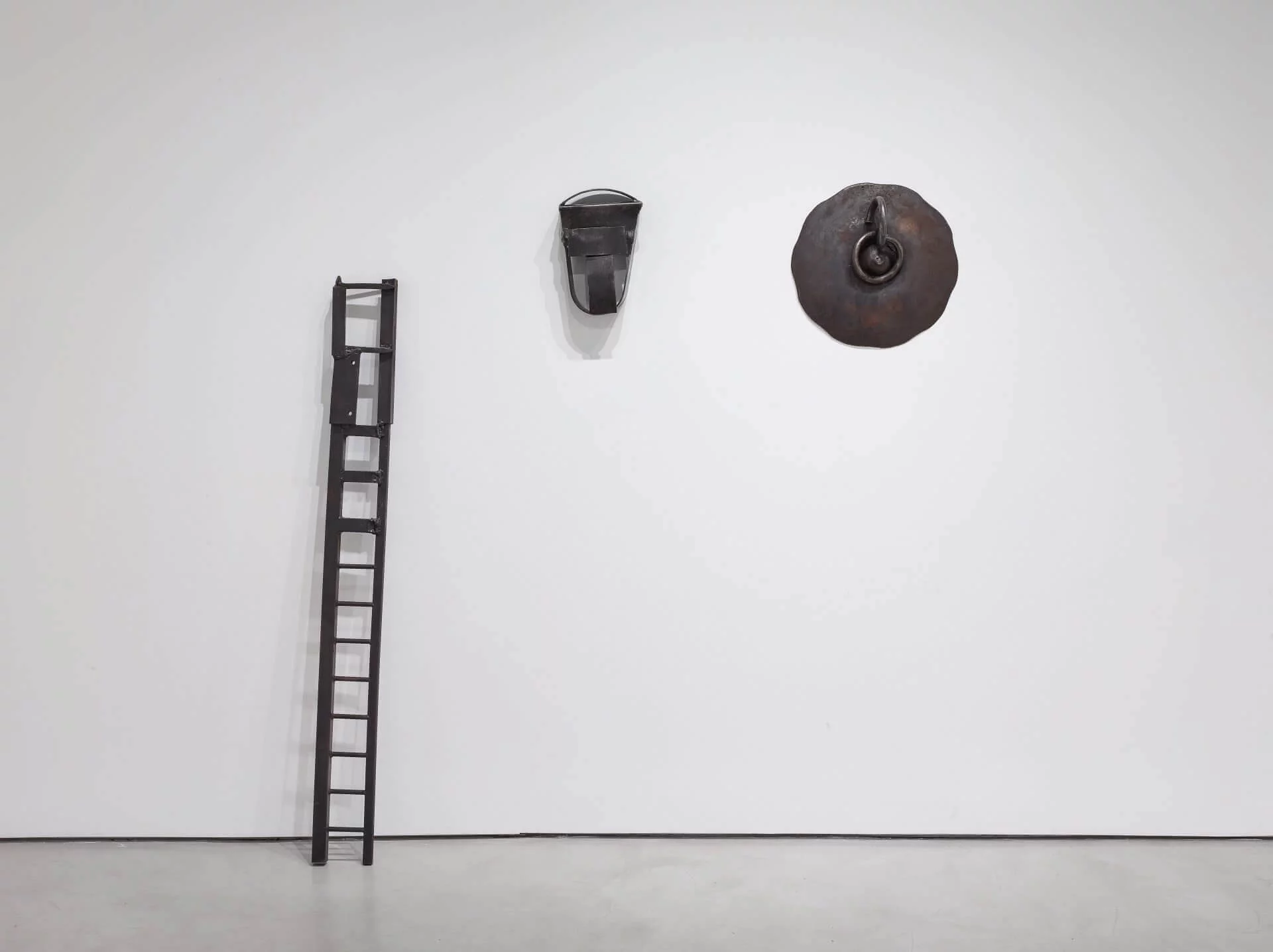
Melvin Edwards
This “carte blanche” exhibition, curated under the direction of Naomi Beckwith and curated by Amandine Nana and François Piron, traces Edwards’s six-decade career—beginning with his seminal Lynch Fragments series (1963-) and moving through his monumental welded sculptures, barbed-wire installations, and print collaborations.
Edwards’s work, deeply rooted in African-American history, industrial materiality, and diasporic resonance, features tribute-sculptures, kinetic steel forms and collaborative print works created in Dakar in the late 1990s. Organised in partnership with the Fridericianum (Kassel) and the Kunsthalle Bern (Switzerland), the exhibition emphasises the global reach of Edwards’s practice and positions him as a foundational figure in contemporary art.
Paris, France
Europe
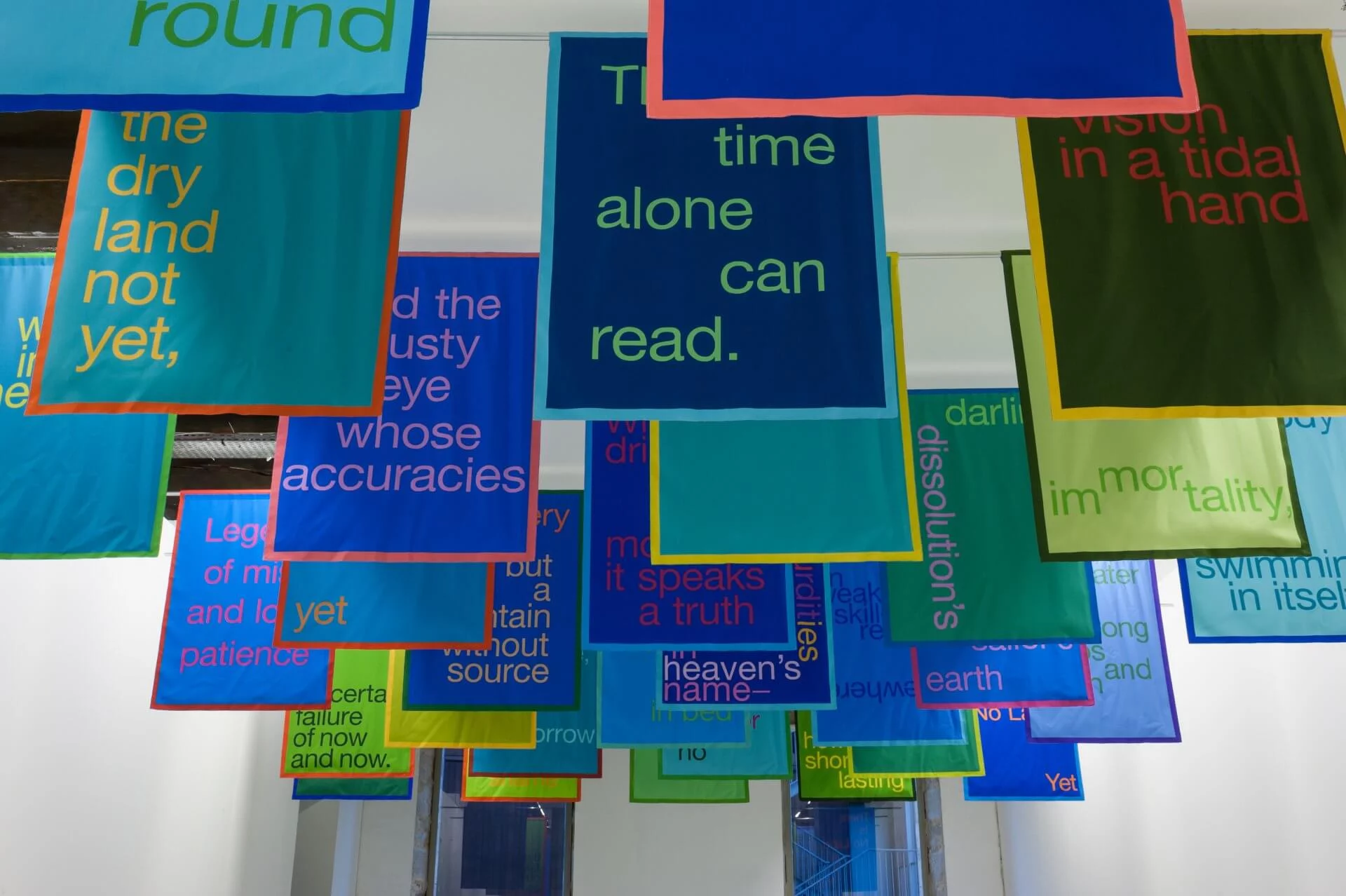
Echo Delay Reverb: American Art, Francophone Thought
Spanning more than sixty artists from the 1970s to the present, the exhibition explores how American art practices intersect with French-speaking theory, activism and cultural production. Works by historical figures such as Glenn Ligon and Lorna Simpson are placed alongside younger voices like Kameelah Janan Rasheed and Tiona Nekkia McClodden, investigating the conditions of circulation, translation and critique between anglophone and francophone art contexts. Archival material, new commissions and multi-medium installations reinforce how art has functioned as a dialogue across continents, languages and power structures.
Paris, France
Europe
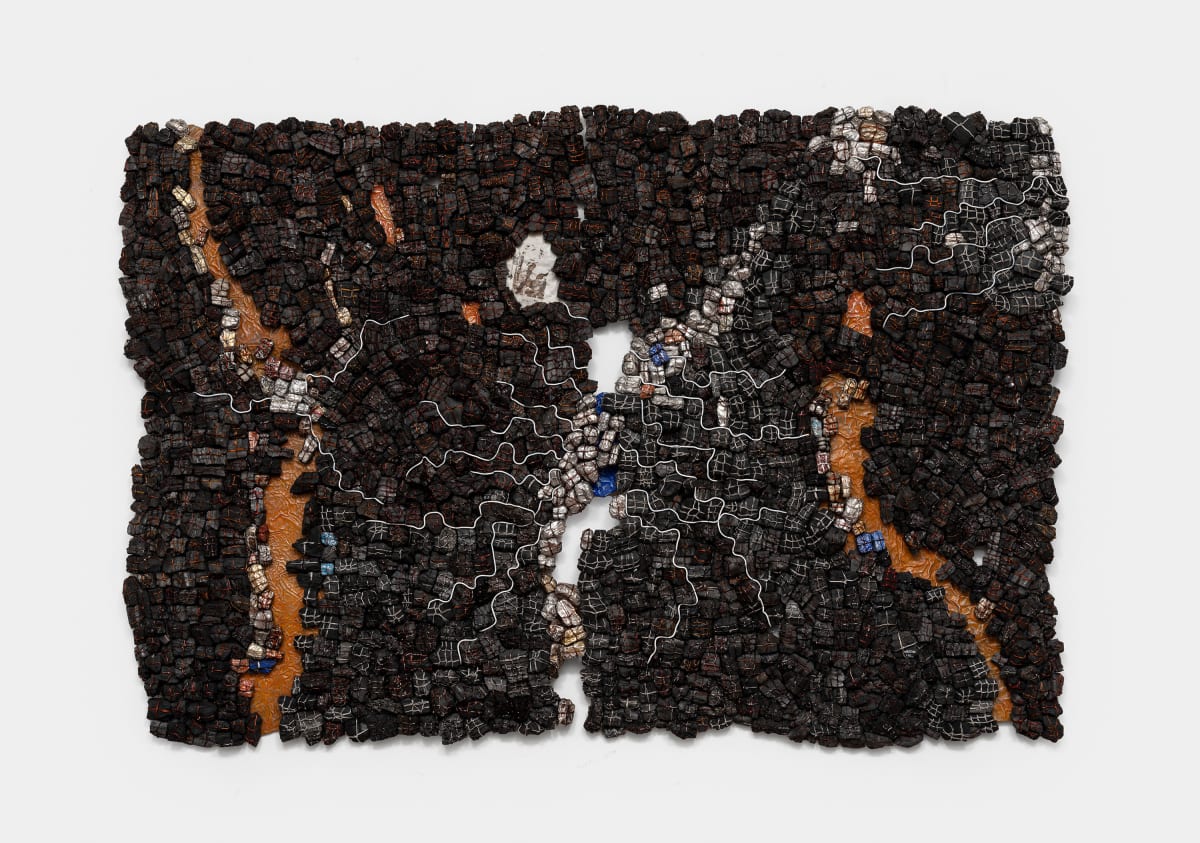
And We Hired a Carpenter to Patch the Cloth
In And We Hired a Carpenter to Patch the Cloth, Eva Obodo addresses the legacies of coal mining, mineral extraction and labor in post-colonial Nigeria through a rigorous material practice. Using charcoal fragments bundled and tied with copper and aluminium wires, the works reference his father’s experience as a miner and broader systems of exploitation. The exhibition title metaphorically reflects the act of “patching” damaged systems—both social and material—while acknowledging the persistence of improvisation in the face of fracture. Obodo’s process involves washing, sorting, wrapping and stitching charcoal—a transformation of fuel-material into a meditative sculptural language. Through reliefs such as Pickman and Rush Hour, he interrogates the ecological and social toll of extraction while elevating discarded matter into poetic visual forms.
Paris, France
Europe

The Fire This Time
Titus Kaphar: The Fire This Time presents new works that extend Kaphar’s sustained investigation into the rewriting of art history and the visibility of marginalized narratives. Known for his practice of physically altering canvases—cutting, obscuring, layering, and reconstructing images—Kaphar challenges traditional portraiture and historical painting to reveal what has been omitted or silenced.
Through painting and mixed media processes, Kaphar disrupts canonical imagery to foreground questions of race, authorship, and historical memory. His interventions expose the mechanisms through which visual culture shapes collective understanding, positioning painting as a site of both critique and reclamation. The exhibition title evokes urgency and transformation, underscoring the artist’s engagement with cultural reckoning and renewal.
Presented by Gagosian in Paris, The Fire This Time situates Kaphar’s work within an international context, emphasizing the global resonance of his inquiry into representation and power. The exhibition runs through 7 March 2026 at Gagosian, rue de Ponthieu, Paris.
Paris, France
Europe
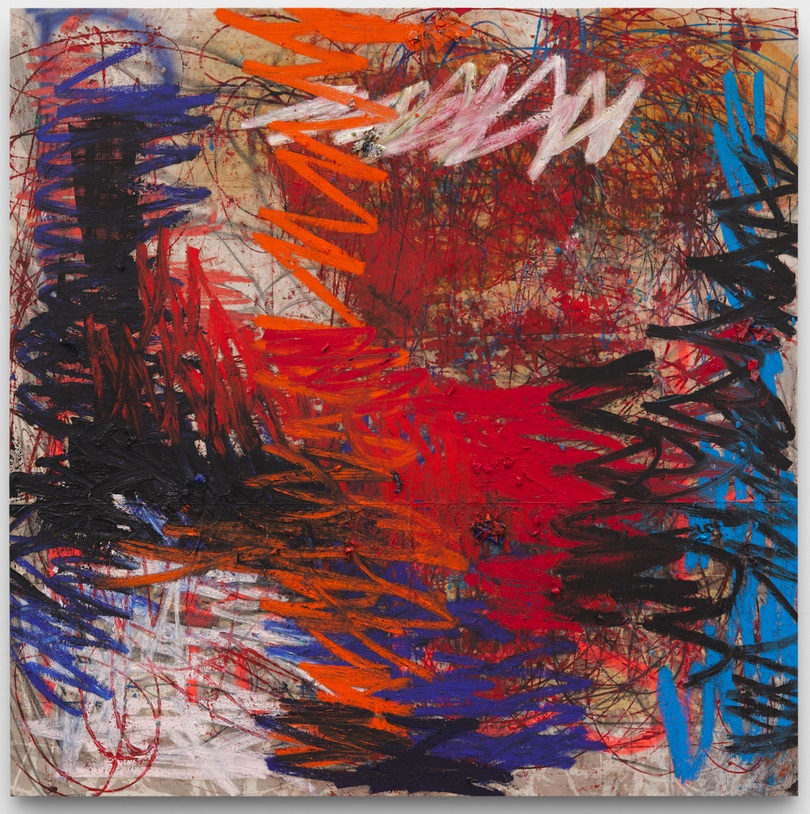
Unfinished thinking: Paintings and Social Maps
Oscar Murillo, whose multidisciplinary practice investigates migration, labor, cultural exchange, geography, and collective experience. Born in La Paila, Colombia, in 1986, Murillo spent part of his childhood in London before developing an international practice shaped by movement between different social, political, and geographic contexts.
Painting remains central to Murillo’s work. His compositions are built through processes of layering, marking, folding, staining, writing, and accumulation, allowing the physical surface to retain evidence of production and movement. Across his broader practice, Murillo has worked with materials including oil paint, oil stick, graphite, spray paint, natural pigments, dirt, and debris, often treating the canvas as a record of activity rather than a polished or static image.
In Unfinished thinking: Paintings and Social Maps, Murillo approaches painting as a form of mapping. Rather than representing geography through conventional borders or cartographic systems, his works register the movement of people, labor, memory, and cultural experience. References to places including Colombia, Cameroon, Côte d’Ivoire, the Philippines, the United Kingdom, Poland, and Germany create a network of locations connected through migration, economic systems, travel, and shared histories.
David Zwirner Paris, 108 Rue Vieille du Temple, 75003 Paris, France. Runs through December 23, 2026.
Paris, France
Europe
The Domain of the Stranger
The Domain of the Stranger is Emma Prempeh’s debut solo exhibition at Perrotin in Paris. Born in London in 1996 to a Ghanaian father and Vincentian mother, Prempeh creates paintings centered on memory, belonging, diaspora, family relationships, and the unstable meanings of home. The exhibition brings the geographies of Ghana and Saint Vincent into conversation with London, marking the first time the British landscape of her own upbringing enters so directly into this body of work.
The exhibition takes its title from Saidiya Hartman’s Lose Your Mother, which examines slavery, diaspora, and the complicated experience of returning to a place connected to ancestral history while remaining, in some sense, a stranger. Prempeh approaches a related condition through highly personal material, particularly her evolving relationship with her father and her connection to Ghana. Rather than attempting to resolve questions of belonging, her paintings remain within the ambiguity of inherited places and histories.
Several works focus on Obuasi, Ghana, where Prempeh’s father began constructing a school and family home. In Is this Legacy? (2026), the unfinished building becomes a metaphor for inheritance itself—something intended to pass between generations yet still unresolved and under construction. Prempeh uses ochre tones that recall the earth surrounding Obuasi alongside schlag metal, a metallic material that oxidizes and changes over time. The material’s instability allows the painting itself to age and transform, connecting physical change to memory and unfinished familial relationships.
Across the exhibition, Prempeh works with oil, acrylic, and schlag metal to produce atmospheric paintings in which figures, landscapes, architecture, and metallic surfaces emerge and disappear. Her engagement with what she describes through ideas of hauntology allows the past to remain active within the present, particularly through histories and futures that were imagined but never fully realized.
Curated by Brice Arsène Yonkeu, The Domain of the Stranger ultimately approaches diasporic identity not as a search for a single place of origin but as an ongoing negotiation among multiple homes, inherited histories, relationships, and imagined landscapes.
Paris, France
Europe